Trekking to Gokyo Valley, often called a hidden gem in the Khumbu region, means offering yourself surprises at every step. While numerous hikers move quickly toward Everest Base Camp, some trekkers select the Gokyo route over it for peaceful trails and a breathtaking environment around a sacred freshwater source, especially the five Gokyo Lakes.
Let’s discover the attractions of the Gokyo Valley Trekand get answers to the common question, “Why is it an iconic alternative to the most commercial and busy EBC trekking route?” If you think that this trek really deserves a prime location on your bucket list for 2026/2027, remember Green Society Adventure for more details.
Table of Contents
Why is Gokyo Valley’s popularity growing?
While embarking on the treks during off-seasons like monsoon and winter becomes risky, world-famous Himalayan adventure routes, including EBC and ABC (Annapurna Base Camp), are supposed to be crowded in peak seasons. As a result, hikers find off-the-beaten paths like the Gokyo Valley route better, as it also provides similar experiences to them within fewer days and at more affordable prices.
The combination of culture and nature captivates tourists’ hearts, as trekkers can experience warm hospitality and enjoy extensive vistas of mountain ranges from very close, which is unparalleled to other treks.
What are the top highlights of the Gokyo Valley trek?
Beyond the scenes of snow-clad peaks, high hills, glaciers, and valleys, the Gokyo Trek allows you to gain deep insight into the unique culture of the Sherpa community. We have highlighted the main charms of this trail, which will truly convince you to choose it as your next travel destination.
Why are the Gokyo Lakes considered the main attraction of the Gokyo Valley trek?
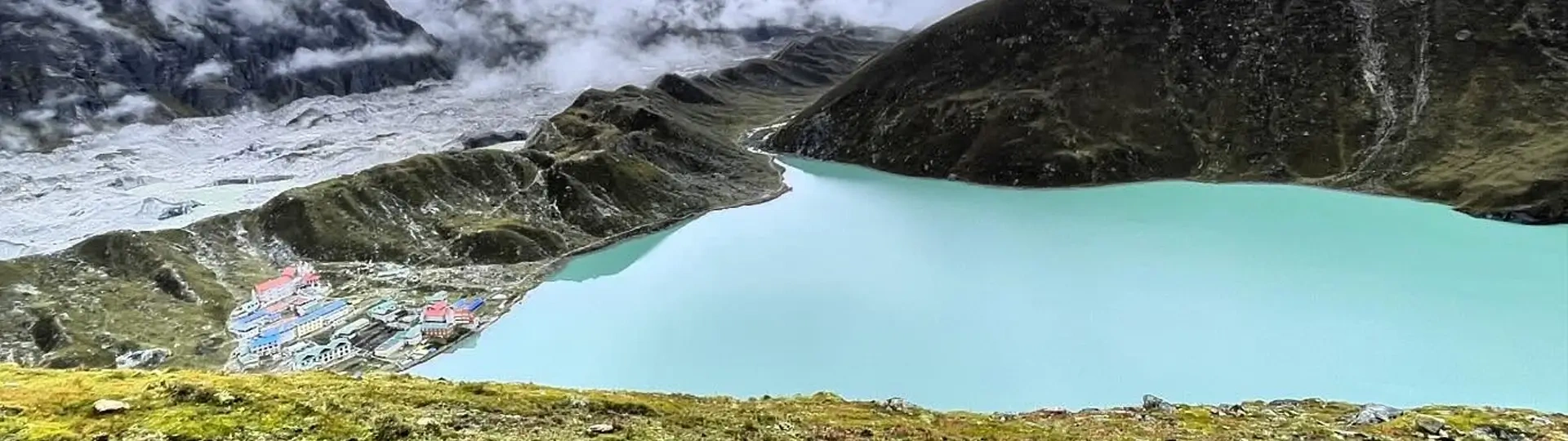
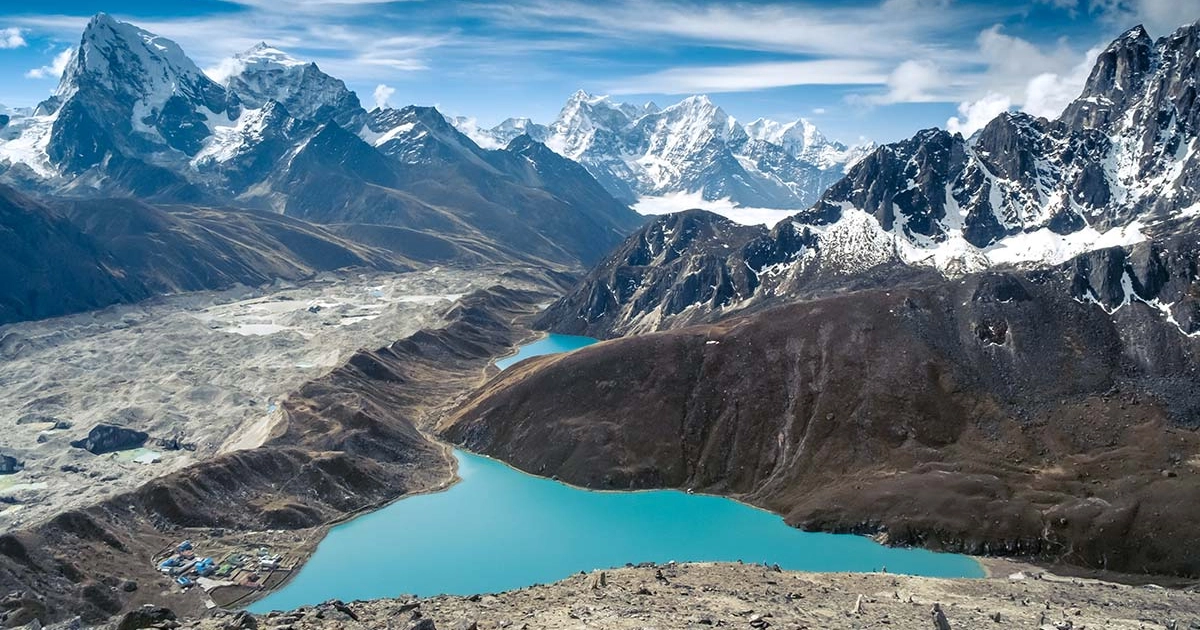
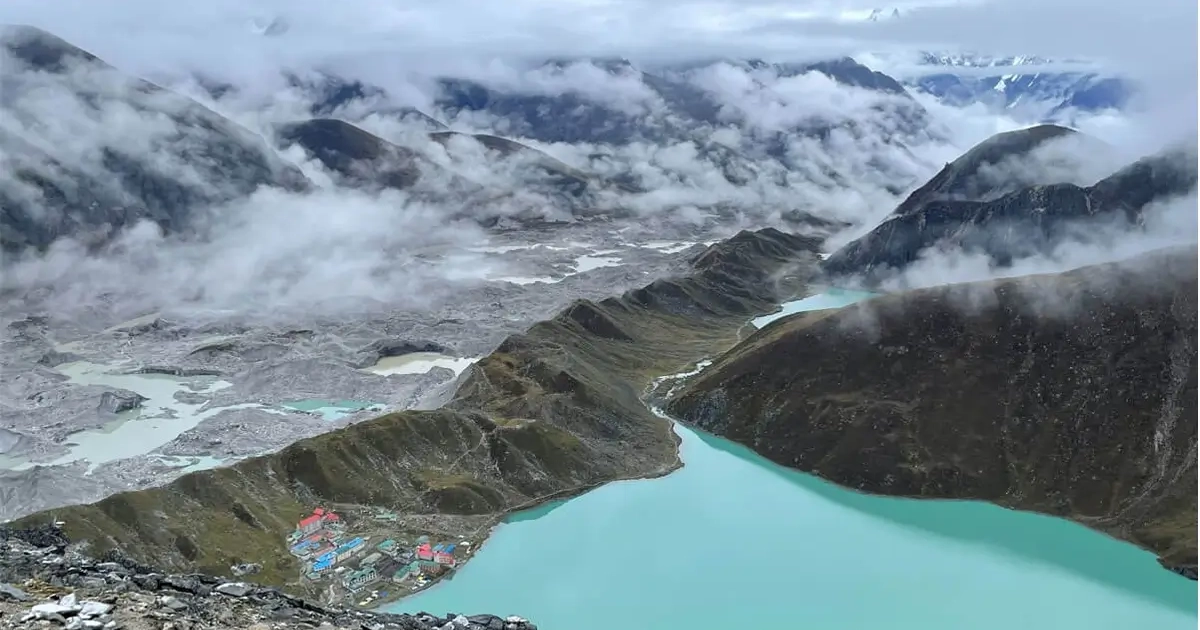
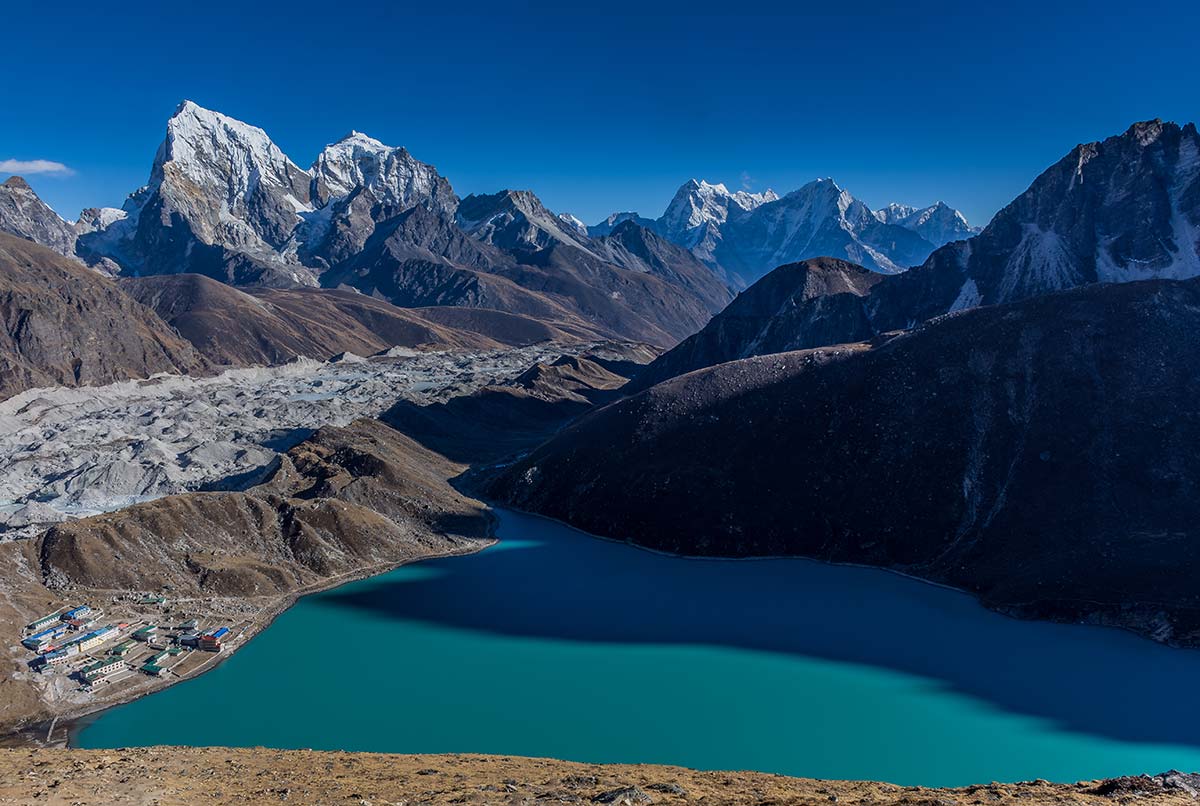
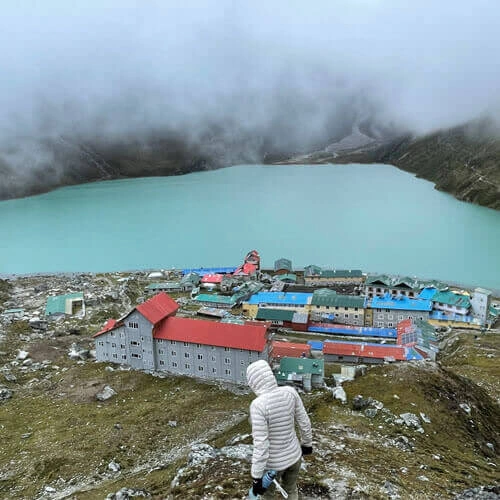
The calm, turquoise lakes of Gokyo, located between 4700 m and 5000 m, create dramatic scenery for photographs since the reflection of mountains, including Cho Oyu, becomes eye-catching. While there are six lakes (Longponga Tsho, Taujung Tsho, Gokyo Cho (Dudh Pokhari), Thonak Tsho, Ngozumpo Tsho, and Kyajumba Cho), the third one is considered major. Local legends believe that a snake deity resides in the third lake, Dudhpokhari (Milk Lake).
These lakes are revered by both Hindus and Buddhists. Every year, several pilgrims visit there for blessings and cleaning sins, especially during Janai Purnima (the full moon of the sacred thread). As the Gokyo Lakes are one of the highest freshwater lake systems on the planet, they are considered the best attraction on the Gokyo route.
Majestic scenery of Gokyo Lake
Gokyo Ri: Enjoy the magnificent view of Mt. Everest.
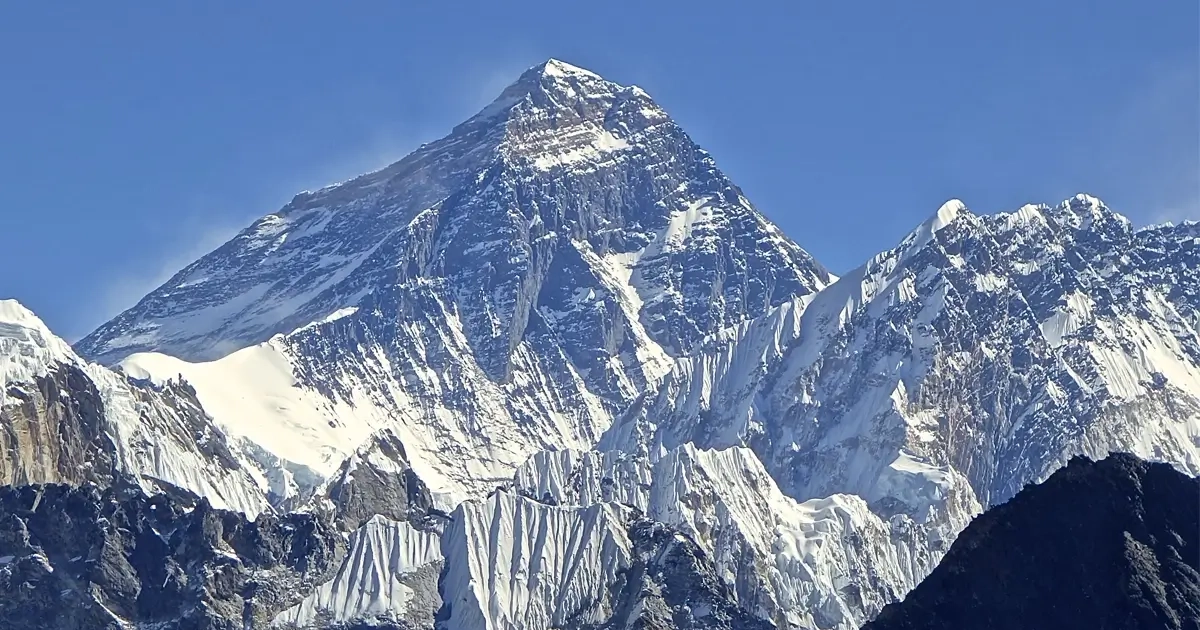
Are you wondering if it is possible to have the most breathtaking view of Mt. Everest (8848 m), the highest mountain in the world, without reaching its breathtaking height? Be clear that you can have 360-degree vistas of the Everest ranges from Gokyo Ri (5357 m) without reaching EBC or Kala Patthar (5644 m).
The more frontal north faces of Mt. Everest/Sagarmatha, Mt. Makalu, and Cho Oyu, away from the crowds, become mind-blowing for you after the struggles of many days. However, you do not have to face challenges like on the EBC trek to enjoy the scenery. Like Kalapatthar, this wonderful viewpoint is also popular for sunrise or sunset views over the Himalayas.
Although it is just 1.5 to 2 kilometers, you can start your journey to the destination early in the morning to catch the moment when golden rays illuminate the Himalayas, creating dramatic scenery for photographs.
Can you experience Sherpa culture during the trek?
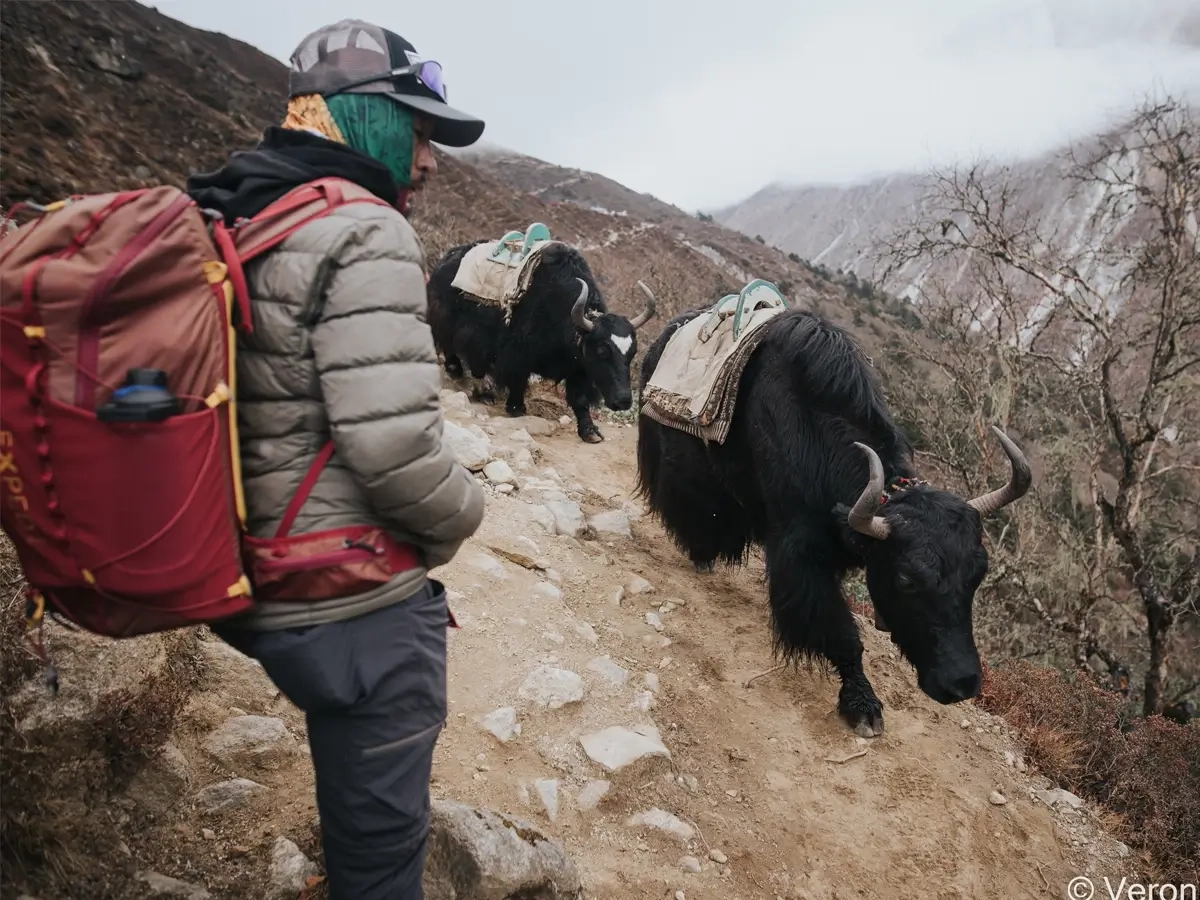
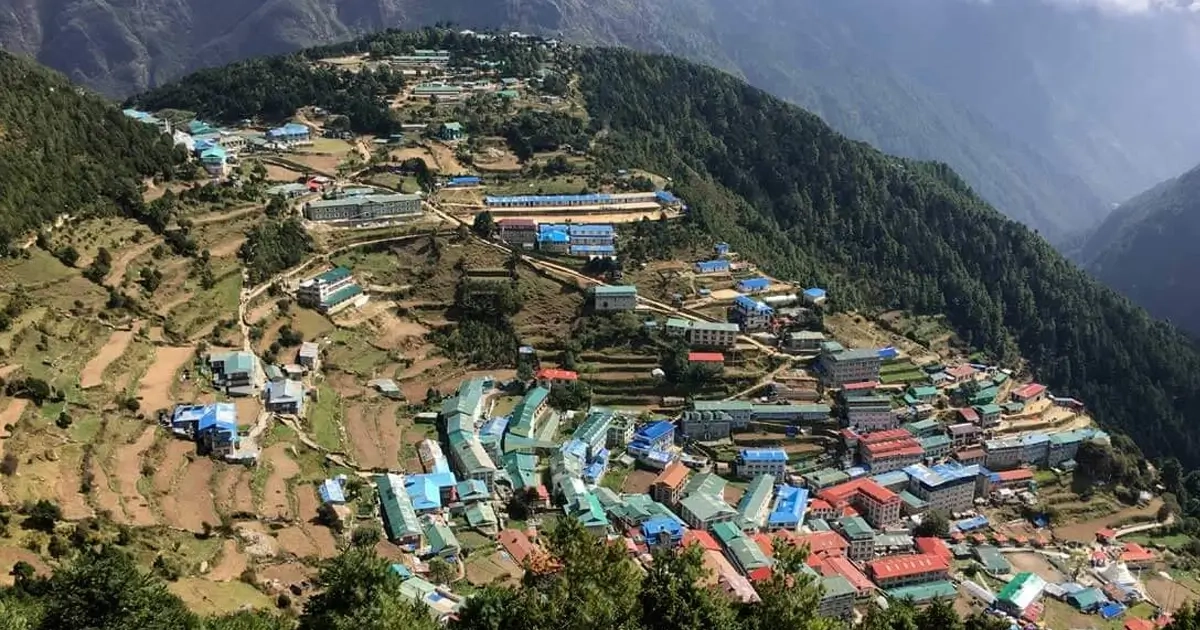
Sherpas have mountaineering skills and are renowned for their continuous support to numerous climbers summiting high mountains in Nepal. While staying at teahouses in Sherpa villages, get a golden opportunity to know about locals' daily lives, lifestyles, and traditions, which are influenced by Tibetan Buddhism. The Gokyo Valley trek itinerary lets you explore Namche Bazaar, a Sherpa town in the region, precisely during the acclimatization period.
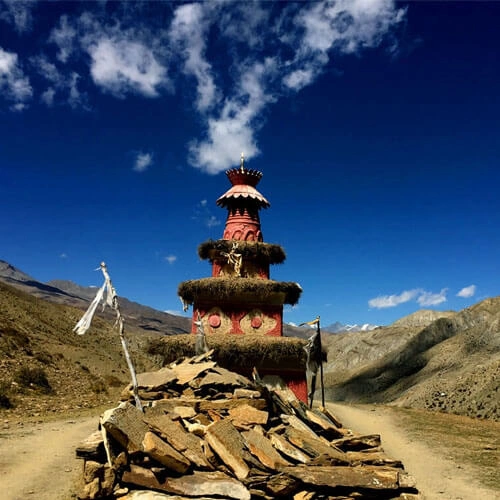
Experience the differences in the cultural heritage of lower elevations such as Lukla and Phakding from higher-elevated settlements such as Machhermo and Gokyo. Historic gompas, monasteries, mani walls, prayer wheels, prayer flags, and stone chortens represent the deep beliefs of Sherpas in their religion. Learn about Sherpas’ history and enjoy authentic Himalayan meals prepared by locals at restaurants and teahouses, along with their warm hospitality. You can capture photos of them in their traditional attire and jewelry after asking for consent.
Some teahouses of different villages may offer trying cultural dresses and jewelry on rent and include you in some rituals and cultural functions, especially during occasions such as Dumje, Mani Rimdu, and Gyalpo Lhosar (Sherpa's new year). Observe the activities of monks at gompas engaged in morning prayers or chanting, waking up early in the morning.
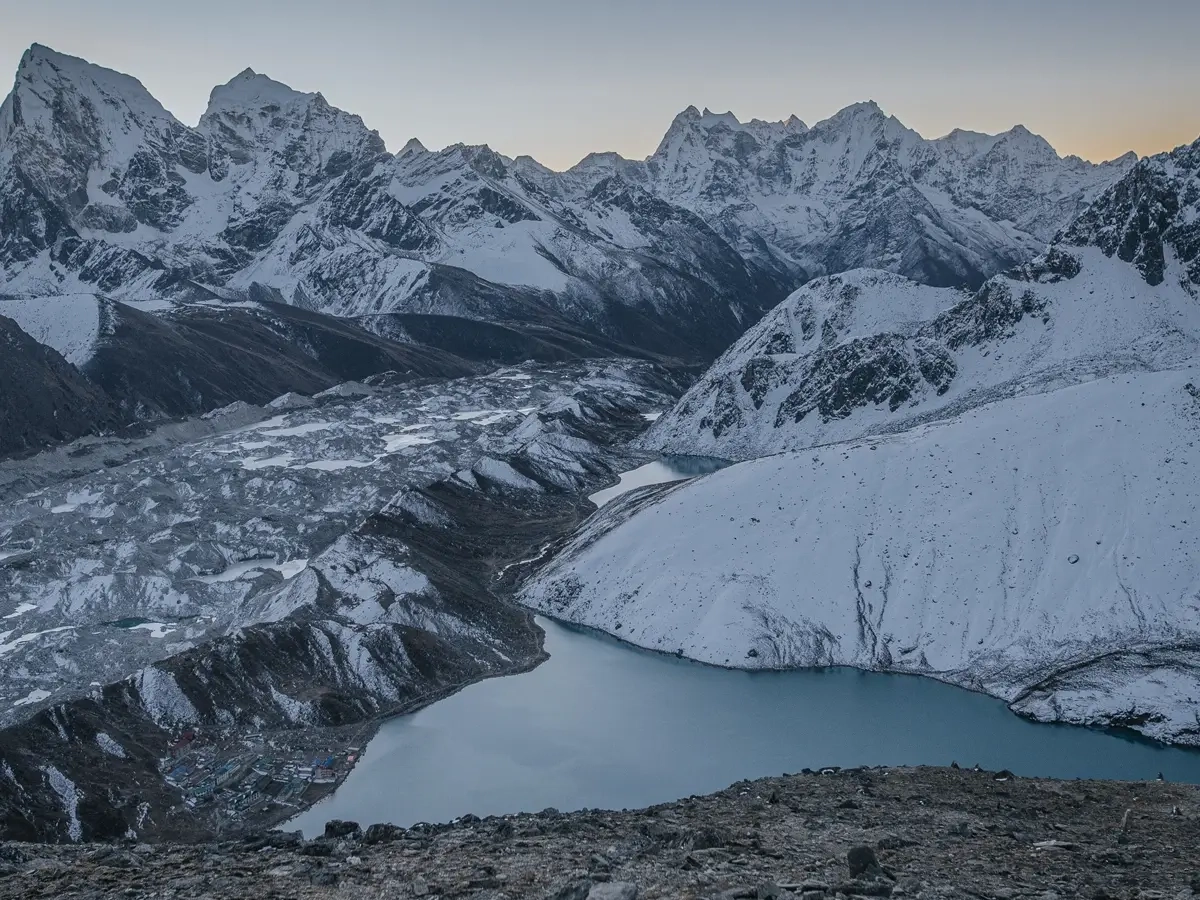
Scene of Gokyo Lake during winter
Ngozumpa Glacier: One of the best charms of the Gokyo Valley trek
During this Gokyo Valley trek, you will walk on an enjoyable path alongside Ngozumpa Glacier, the longest glacier in Nepal, which is almost 36 km/22 miles. It is located at an altitude of 4700 meters inside Sagarmatha National Park, a UNESCO World Natural Heritage site. The glacier starts from the base of Mt. Cho Oyu (8188 m), the sixth highest peak in the world, and merges with the Dudh Koshi River, flowing through Gokyo Valley. Hiking alongside the glacier becomes both challenging and enjoyable because of icy terrain and glacial moraine.
From the vantage point of Gokyo Ri, take awe-inspiring photos of the Ngozumpa Glacier, surrounded by snow-clad mountains. The glacier is really more captivating than other ordinary ones in the Himalayas, as it resembles a massive stream of icy and rocky landscape and gradually changes the topography through melting and glacial movement. For nature lovers, the glacier is a piece of paradise that adds value to the Gokyo Valley trek.
What wildlife can you spot while on the Gokyo route?
The trail to Gokyo Valley takes you through sections of Sagarmatha National Park. The park is a home to numerous types of wildlife (birds and mammals), as well as unique Himalayan vegetation. Hiking on trails inside dense, lush forests of rhododendrons, pines, junipers, birches, bamboos, and other alpine trees becomes rewarding while spotting rare animals.
The park, established in 1976, covers 1148 square kilometers and preserves endangered animals such as musk deer, Himalayan tahrs, red pandas, Himalayan black bears, Himalayan pikas, wolves, langur monkeys, Himalayan monals (Daphne), snow pigeons, blood pheasants, golden eagles, and snowcocks.
Is the Gokyo Valley Trek Suitable for Photography?
Yes, the Gokyo Valley trek offers perfect landscapes for photography, whether you are an expert or novice photographer. Since the Khumbu region is rich in Himalayan biodiversity and ecosystems capture mountain giants, glacial lakes, valleys, waterfalls, and animals' activities in their own natural habitats. Dramatic scenery and ancient monasteries are core subjects of the Gokyo route for photography.
Is Gokyo Valley better than Everest Base Camp?
Both routes have their own characteristics, but it is really difficult to choose between two treks: Everest Base Camp and Gokyo Valley. However, it depends on individual preferences and choices. While the EBC trail provides you a sense of achievement, taking you to the foothills of the highest mountain, including wonderful moments at Kalapatthar, the Gokyo trek also presents similar experiences in a more peaceful atmosphere.
If you want to have a better understanding of Everest’s climbing history and expedition culture from close up, selecting the EBC will be the best choice. Following in the footsteps of legendary mountaineers, including Sir Edmund Hillary and Tenzing Norgay, Sherpas become more unforgettable. To explore how the Gokyo Valley differs from EBC, check Everest Base Camp Trek Vs. Gokyo.
Does the Gokyo Valley trek difficulty affect enjoying highlights of Gokyo Valley?
The Gokyo Valley trek is moderately demanding, requiring basic physical fitness and a sound mindset for a successful journey. After a long international flight to Kathmandu, followed by a scenic flight of 30 to 35 minutes, the journey begins from Lukla (2860 m). Starting the journey from landmarks above 2500 m increases the risk of acute mountain sickness (AMS) due to low oxygen levels. Covering long distances through steep terrain with ascents and descents makes the trip quite challenging, but the Gokyo Valley Trek’s highlight heals all pains and rewards your struggles with wonderful experiences.
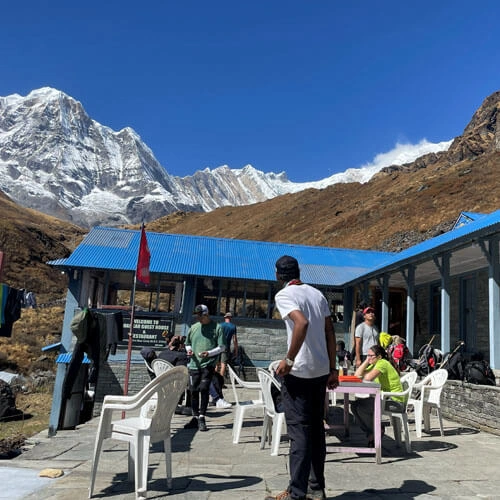
Gradual climbing and following a well-paced itinerary ensure a safer and more comfortable trek to the valley of Gokyo. As you reach higher settlements, the temperature drops, sometimes reaching freezing levels during nighttime. There is also the possibility of suffering from hypothermia, respiratory problems, dehydration, and frostbite. However, wearing a layered clothing system of premium quality, carrying sleeping bags for extra warmth, and selecting the best teahouses that provide warm rooms and hot meals are truly helpful in tackling such difficulties.
When should one plan a trip for the best charms of the Gokyo trekking route?
Planning a trip at an appropriate time is crucial to fully experience the highlights of the Gokyo route. Monsoon and winter do not offer the best vistas of towering peaks due to weak visibility caused by heavy rains, fog, and snowfall. Therefore, we suggest trekking during seasons such as spring (March to May) and autumn (September to November), when pleasant climates and moderate temperatures allow you to walk comfortably and enjoy the scenery with fewer risks of avalanches, floods, and landslides.
The trails become quite busy during these months, but the chances of a successful journey are much higher, as trail conditions improve during the pre-monsoon and post-monsoon seasons. Walk comfortably through blooming rhododendrons while listening to the rustling trees and the roar of the river. Gokyo Valley’s popularity reaches its peak during these seasons, as trekkers can also enjoy cultural immersion in a meaningful way. Several festivals take place during this time, allowing you to involve yourself in different local activities and traditions.
How many days do you need to cover everything in Gokyo Valley’s highlights?
Within 10 to 12 days, it is possible to discover the major attractions of the Gokyo Valley trek. However, you can add more days for exploration and trekking at your own pace with extra acclimatization days at Machhermo before heading to Gokyo Valley and side-hiking to Gokyo Ri.
We have provided an itinerary of the standard Gokyo Valley trek as follows:
Day 1: Arrival in Kathmandu and transfer to the Hotel
Day 2: A thrilling flight to Lukla (2800 m/9184 ft) and a 3-hour hike to Phakding
Day 3: Trek from Phakding to Namche Bazaar (5-6 hours)
Day 4: Acclimatization Day in Namche, Hike to Everest Viewpoint (3 hours)
Day 5: Trek from Namche to Dole (6 hours)
Day 6: Trek to Mochhermo (4 hours)
Day 7: Trek from Machhermo to Gokyo Valley. (4-5 hours)
Day 8: Early Morning Hike to Gokyo Ri and Trek Back to Dole (6-7 Hours, 4110 m/13584 ft).
Day 9: Trek Back to Namche (5 hours)
Day 10: Trek from Namche to Lukla for 4-5 hours.
Day 11: Fly back to Kathmandu. Free Day: Wander Around Thamel. Farewell dinner in the evening.
For more thrills, combine the Gokyo Valley to Everest Base Camp route via either Cho La Pass or Renjo La Pass. Check out our package Everest Base Camp and Gokyo Lake Trek - 17 Days, and customize it to your preferences if it does not meet your needs.
How to prepare not to miss any highlights of the Gokyo Valley trek?
A trekker with proper preparation can complete the Gokyo Valley trek easily. To avoid the chance of returning to Kathmandu from the middle of the trekking routes, prepare yourself physically and mentally. Cardiovascular exercises such as jogging, running, swimming, and hiking with some altitude gain to nearby destinations support strengthening muscles of legs and improving oxygen utilization in higher altitudes. Some steep terrain and glacial moraine require mental resilience.
Get involved in yoga practice or meditation, which helps you in focusing on your target rather than stressing about the hike's difficulties. Select the best trekking company in Nepal that handles each logistic, and do not miss crucial equipment for the trip. To know more about symptoms of altitude sickness and its prevention, check out these tips.
Conclusion
To sum up, the Gokyo Valley trek’s popularity is growing day by day, especially among adventure seekers and photography enthusiasts. If you want a longer version of the Gokyo Valley trek, inform us earlier so that we can craft an itinerary depending on your choices. If you have already been to Annapurna Base Camp and Everest Base Camp: Do not miss this quieter destination and compare the packages.
Our team at Green Society Adventure has been providing 24/7 traveler services for the past 13 years. Therefore, contact us on WhatsApp or send us mail if you have decided to lace your boots and explore Gokyo’s hidden gems in 2026/2027. Check preparation for the Gokyo Valley trek out to make your trip smoother.
FAQs
What trekking permit do you have to obtain for the Gokyo Valley trek?
As you book any trip with us, our officials from Green Society Adventure begin processing all essential paperwork before you arrive in Nepal. Must-have documents are a Sagarmatha National Park Entry Permit and a Khumbu Rural Municipality permit. Obtaining these documents is not only a legal procedure but also ensures security throughout the trip.
Authorities collect each individual’s details, including the detailed itinerary, and provide a rescue team in case of emergency. The purpose of this kind of government regulation is to monitor systematic tourism and manage crowds of travelers in such Himalayans with fragile ecosystems.
Which type of meals should you eat on the Gokyo Valley trek?
Fresh, nutritious foods, prepared in a hygienic kitchen, are essential to keep yourself healthy for long walking days. As tourism is also a source of income for their livelihood, locals provide freshly cooked meals at teahouses run by themselves. Although some international foods are available, including meat items, we suggest having a common meal, “Dal Bhat," that consists of rice, seasonal vegetables, lentil soup, achar (pickle), spinach, and salad for lunch and dinner.
While you also get a breakfast during trekking days, carry some energy-providing snacks in your backpack because you will find shops at far distances with limited things.
Is there a good service of internet and ATM during the Gokyo Trek?
In lower-altitude settlements, the network service is good, and you also get internet services along with hot showers with extra payment. However, adjusting to simple teahouses with rooms having twin beds and shared bathrooms is common in these kinds of Himalayan trips as you ascend to higher landmarks. Remember that ATM service is available only at Namche Bazaar. As a result, carry enough cash to use in needed places.
Why is travel insurance a must-have document for the Gokyo Valley trek?
Travel insurance is not compulsory, but we just want every trekker to obtain it with the right policy. Ensure that the insurance covers helicopter evacuation above 4000/5000 m along with treatment at a hospital and medications. In addition, your travel insurance should include unforeseen circumstances such as flight/trip cancellation or personal belonging damage/loss or theft during treks.
Can you drink water found on the way to Gokyo Valley?
Drinking water directly from any sources like taps, streams, rivers, ponds, and glaciers can cause stomach problems like diarrhea and infections. If the condition comes to using such water, we suggest purifying it with a purification tablet or a portable filter. The best idea to keep yourself hydrated and healthy is to carry a reusable bottle and fill it with water at teahouses from time to time.
Raj Kumar was born and raised in the mountain town of Gorkha. He is an enthusiastic traveler who enjoys discovering new places. His passion for exploration knows no bounds, driving him to seek out new trails and experiences. He has successfully traveled and explored most of the trekking routes in Nepal, mastering their intricacies.
Raj Kumar started his career as a guide at the end of the year 2006. His dedication to this field has been unwavering, surpassing 17 years and counting. He established his own company, Green Society Adventure, in 2013, fueled by his expertise and entrepreneurial spirit. He has a vision to share the beauty of Nepal’s landscapes and cultures to the world. As both a guide and a leader, he inspires people to explore the world with curiosity and respect.