Everest Base Camp and Gokyo Lake Trek - 17 Days

Trip Facts
  • Duration:17 Days
  • Difficulty Level: Strenuous
  • Destination: Nepal
  • Max. Altitude: 5644 meters
  • Start at: Kathmandu
  • End at: Kathmandu
  • Group Size: 1 - 12
  • Best Season: Spring (March to May) and autumn (September to November)

Highlights

  • Experience a thrilling flight of 30 to 35 minutes, enjoying aerial views from the airplane's window to Lukla, a gateway to the Everest Base Camp. 
  • Magnificent mountain vistas from popular spots such as Kalapatthar, Gokyo Ri, Cho La Pass, and Thukla Pass. 
  • Explore peaceful Sherpa villages, including Namche Bazar, Tengboche, Dingboche, Pangboche, and Lobuche, rich in cultural heritage. 
  • Test your physical endurance, trekking through dense forests of Sagarmatha National Park with glimpses of wildlife, unique vegetation, alpine rugged terrain, and glacial moraine. 
  • Get blessings by visiting sacred places such as the oldest ancient Buddhist monasteries and the holy lakes of Gokyo.
  • Enjoy a serenade of Himalayan sights along the journey through the river valleys of Imja Khola and Dudh Koshi

This 17-day Everest Base Camp and Gokyo Lake trek can be a life-changing journey in the Everest region of Nepal, reaching popular destinations, including Kalapatthar and Gokyo Ri via Cho La Pass. Hurry up for a strenuous yet rewarding trip with us. 

Trip Overview

The Everest Base Camp and Gokyo Lake Trek is a Himalayan odyssey that provides incredible memories in the wilderness of the Khumbu region, which will be a once-in-a-lifetime experience. The trek includes reaching the legendary Everest Base Camp (5364 m) and the holy lakes of Gokyo via Cho La Pass (5420 m), as well as side hikes to Kalapatthar (5644 m) and Gokyo Ri (5357 m). Leaving urban chaos and hectic schedules, enjoy trekking that ranges from 2860 m/9383 ft. to 5644 m, the highest point of the 17-day trip. 

Picturesque panoramas of the Himalayas, unique Sherpa cultures, and authentic local dishes enhance the value of Everest’s combined route. Knowing the contrast among weather patterns, vegetation, and animals of landscapes of distinct elevation, enjoy a trek through both subtropical woodlands and high alpine terrain. Following the Everest Base Camp and Gokyo Lake Trek itinerary reveals the surprises while hiking to the day's destinations. Some are renowned for mesmerizing sunrise/sunset views and awe-inspiring scenes of icefall, glaciers, and snow-clad mountains, while some provide spiritual satisfaction. 

Like the EBC trek for seniors and beginners, this is our package for 2026/2027, which can be iconic for trekkers with a moderate fitness level. If you prefer the trip, contact us through WhatsApp or email; we provide all information regarding it and help for further processing. Although it is a cost-effective one, we guide you to make this EBC and Gokyo Lake Trek more budget-friendly. 

Why is the 17 Days Everest Base Camp and Gokyo Lake Trek special? 

While the trip of two weeks only to the foothills of Mt. Everest, the tallest peak on our planet, brings a sense of fulfillment, combining it with the Gokyo Lake route can become more adventurous. Additional obstacles through the alpine pass to Gokyo Valley, a hidden Himalayan paradise after a sincere effort to Everest Base Camp and Kalapatthar, provide lessons to balance yourself in a struggleful life for better rewards. 

Walking through narrow trails and risky zones pays off with close views of the Himalayas, glaciers, valleys, and hills. It is challenging but not as demanding as the Manaslu Circuitor  Kanchenjunga Circuit treks, making this 17-day journey more balanced and accessible. Accordingly, the trek is special and can be a life-changing hike because of the balance between challenges and rewards, far from crowded cities. 

How close can you see the view of Mt. Everest on the EBC and Gokyo Lake Trek? 

Mountain lovers always seek the most wonderful spot that offers extensive panoramas of towering mountain giants. Highlights such as Everest Base Camp, Kalapatthar, Cho La Pass, and Gokyo Ri are the best points that allow you to savor the charm of the snow-covered Himalayas, including Mt. Everest (8848 m), also known as Chomolungma in the local dialect and Sagarmath (Sagar—sky or vast universe, and Matha—head or forehead). As the summit of Chomolungma is the highest point on Earth, people also consider it the roof of the world.

The magnificent sights of Mt. Makalu, Pumori, Lhotse, Nuptse, and Cho Oyu from those spots are also captivating. Capture such dramatic scenery on your camera roll and share it with those whose dream is to experience the mountains up close, inspiring them to fulfill their dream soon. Feel yourself lucky while standing in the serene environment of the Everest region, as several people are yet to reach there, following the footprints of pioneering climbers.

Why Is Gokyo Valley Famous Among Everest Trekkers?

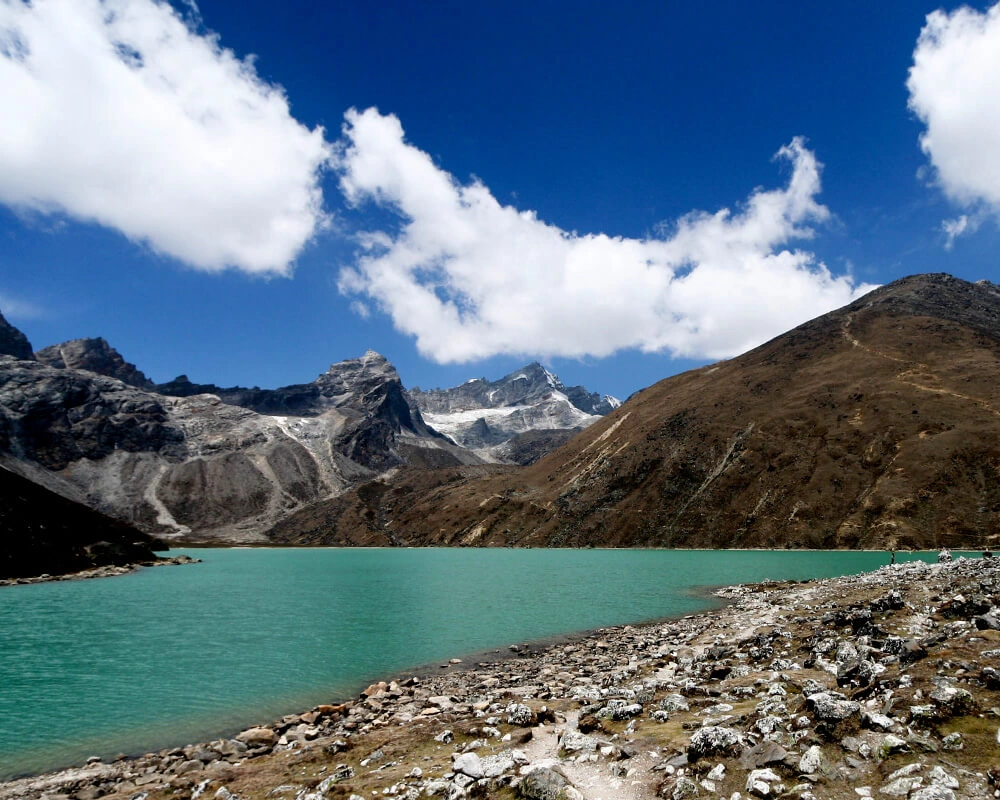
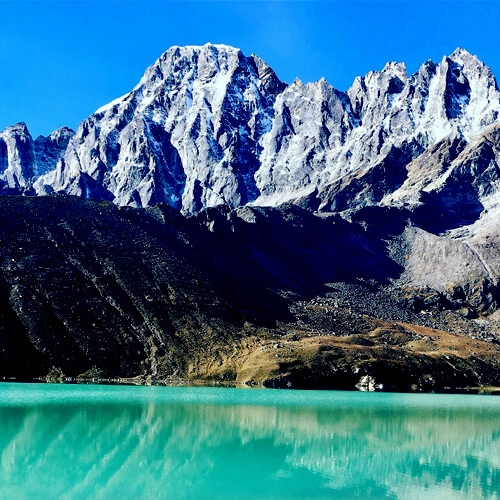
Several trekkers’ major destination is Gokyo Valley, and they choose to trek toward the valley from Dole, where the path separates from the EBC route. However, combining the Everest Base Camp and Gokyo Lake treks has become popular among bold individuals via Cho La Pass, one of the highest and most strenuous mountain passes in the Everest region. The valley, nestled along the Dudh Pokhari (Milk Lake) to the west of Mt. Everest at an altitude of 4700 m, serves as the best stop for hikers. Along with the valley’s serenity and well-established settlements, the religious significance of the sacred, turquoise freshwater source is becoming popular. 

People believe that Nagdevata (Snake Deity) resides in the holy lake of Dudh Pokhari and blesses pilgrims while they are taking a holy dip, circumambulating the lake, and offering prayers/rituals. Accordingly, devotees (both Hindus and Buddhists) from all over the world visit there, especially on the occasion of Janai Purnima (full moon of sacred thread). The series of these glacial lakes is also renowned as one of the highest freshwater lake systems in the world.

What wildlife can you see in the Sagarmatha National Park areas during this 17 days Everest trek?

Sagarmatha National Park, established in 1976 A.D. and spanning 1,148 sq km, is home to numerous species of alpine wildlife in northeastern Nepal. The conserved territory, ranging from 2845 m to 8848 m, was listed as a UNESCO World Natural Heritage Site. During the combined trip of 17 days, the Everest Base Camp and Gokyo Lake Trek, you might spot some rare animals, including Himalayan tahr, red pandas, Himalayan serows, and musk deer. Since more than two hundred species of bird, such as the Himalayan monal, reside in the national park, bird lovers can enjoy seeing their activities through binoculars and capture precious ones on camera. 

If luck favors you, you can see them mainly between Lukla, Namche Bazar, and trails towards the valley of Gokyo, in the section of quieter, dense forests. Do not harm wildlife or produce loud sounds, which disturb them or make them terrified. Observing them by keeping distance is wise for a safer journey.

How can you immerse yourself in local Sherpa cultures?

You will traverse quaint villages such as Lukla, Chheplung, Ghat, Phakding, Toktok, Benkar, Monjo, Jorsalle, Namche Bazaar, Tengboche, Dingboche, Thukla, Lobuche, Gorakshep, Dzongla, Thagnak, Gokyo, and Dole. These settlements are dominated by the ethnic group of Sherpas, who have their own language, traditional attire, and culture. Sherpas are renowned for their mountaineering and climbing skills since they are helping adventurers, mainly to reach the pinnacle of Mt. Everest. Have a deep insight into the rich cultural legacy, influenced by Tibetan Buddhism. Most teahouses are run by locals who provide comfortable accommodations and fresh meals. 

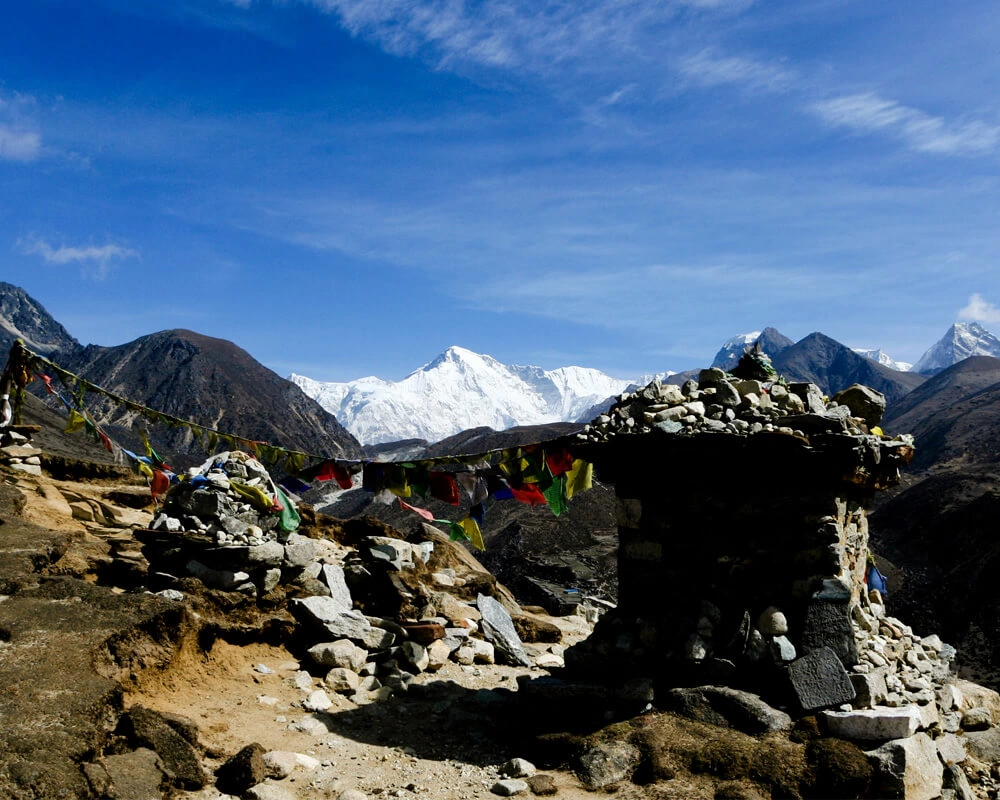
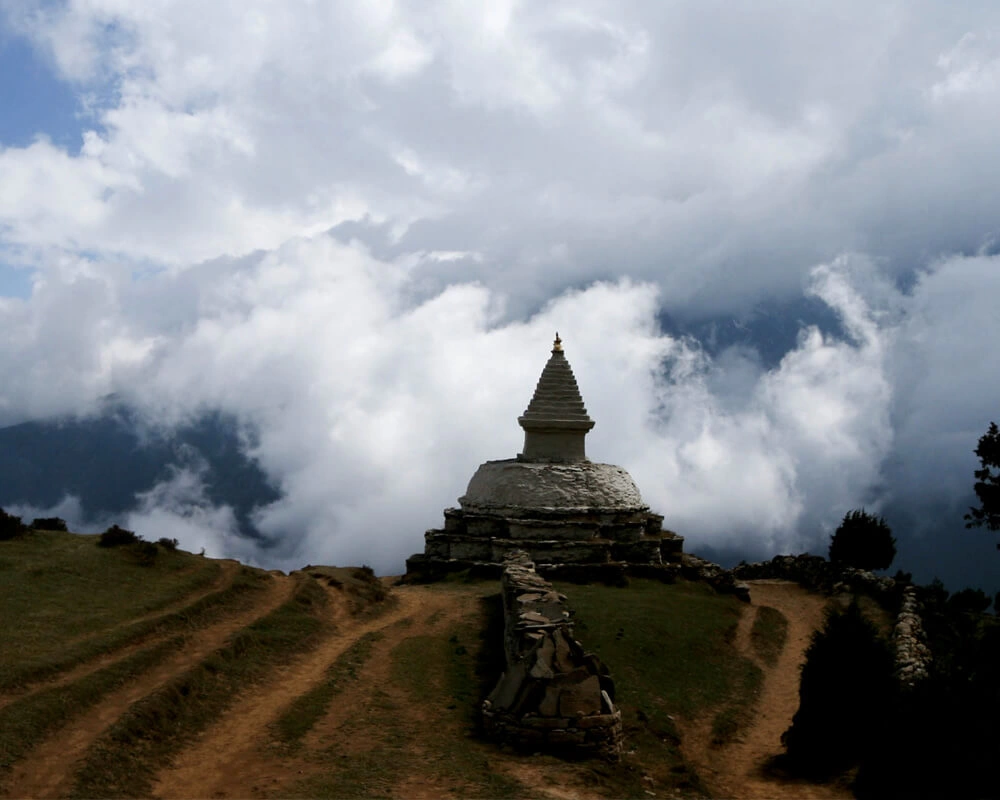
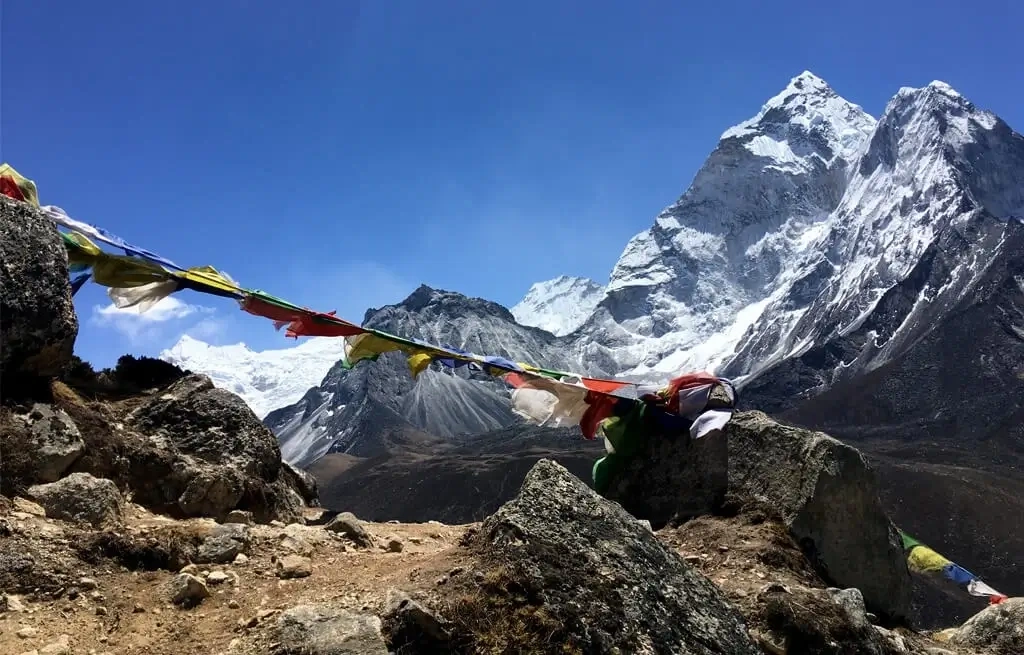
Numerous monasteries and gompas are along the Everest Base Camp and Gokyo Lake trek route, decorated with prayer flags, prayer wheels, and small chortens. Explore such sacred shrines, including Tengboche Monastery, where you can witness performances of nuns and monks. With the help of a guide, know the history of places and interact with locals. Take pictures of innocent faces in their cultural dresses with consent, and smile at them as greetings. Visit museums as well as taste authentic Himalayan cuisines, which help in making a stronger bond with locals. 

Who can do the Everest Base Camp and Gokyo Lake treks together?

Physically fit trekkers with sound mental health can do this 17-day trek easily since the trek reaches above 5000 m, where the oxygen level is low. A combined trek requires more stamina, especially to walk on narrow trails with steep ascents and fast technical descents. Accordingly, the trek is suitable for those who relish challenges through demanding terrain, glacial moraines, icy trails, and high mountains. 

Not only those with prior experience but also novice trekkers can accomplish it with proper preparation (exercise and mental resilience), smart packing, and a guide's guidance, including sufficient acclimatization days. A must-consider thing is ensuring that your guide can arrange all logistics well and handle acute mountain sickness problems. 

How much do the Everest Base Camp and Gokyo Lake trek cost?

Are you searching for affordable trekking? Then, the combined trek of Everest Base Camp and the Gokyo Lake route allows you to reach multiple iconic destinations in a single journey. Several factors, such as the chosen trekking agency, trek length, duration, services, guides, porters, travel insurance, permits, equipment, accommodations, and meals, will affect the total cost of the trek. Based on the amount in your bank account, you can spend money on the trek.

Due to all these reasons, the Everest Base Camp and Gokyo Lake trek cost can be determined exactly. However, looking at the inclusions and exclusions of the package helps you to estimate the entire expense. Choosing a local or national trekking company becomes more affordable than an international one. We recommend choosing quality services for a safer trip, as some trekkers prefer cheap travel insurance and equipment of medium quality to save money. Such a choice may lead to greater expense. If emergency cases, including helicopter evacuation, are needed. 

What is the total trek length of the Everest Base Camp and Gokyo Lake route? 

While our total days of package are 17, official hiking days are 14, including side hikes to Everest Viewpoint during acclimatization days at Namche Bazar. The total trekking length of the Everest Base Camp and Gokyo Lake trek is around 130 to 135 kilometers (80 to 84 miles). Considering gradual ascent to let trekkers adapt to the environment naturally, the average trek distance is 9 to 11 kilometers. The average trek duration is 5 to 6 hours per day. 

The longest trek day is from Namche Bazar to Lukla on Day 15, which will be easier due to descending trails and can be completed within 6 to 7 hours. The shortest is trekking from Dingboche to Thukla (Dhukla), which takes only 3 hours. 

Day RouteDistanceDuration
Day 2Lukla to Phakding8 km 2 to 3 hours 
Day 3Phakding to Namche Bazar10.8 km 5 to 6 hours 
Day 4Acclimatization hike (Everest View Point) 3 to 4 km 2 to 3 hours 
Day 5Namche to Tengboche9 to 10 km 5 hours 
Day 6Tengboche to Dingboche11 to 12 km 5 to 6 hours 
Day 7Dingboche to Thukla 4 to 5 km 3 hours 
Day 8Thukla to Lobuche 4 to 5 km 3 to 4 hours 
Day 9Lobuche to Gorakshep, then to Everest Base Camp and get back to Gorakshep12 to 13 km 6 to 7 hours 
Day 10Gorakshep to Kalapatthar and then to Dzongla 9 to 10 km 5 to 6 hours 
Day 11Dzongla to Thagna via Cho La Pass 8 to 9 km 6 to 7 hours 
Day 12Thagna to Gokyo4 to 5 km 4 hours 
Day 13Gokyo Ri to Dole  12 to 13 km 6 to 7 hours 
Day 14Dole to Namche 11 to 12 km 6 hours 
Day 15Namche to Lukla 18 to 20 km 6 to 7 hours 

Why is the 17 days Everest Base Camp and Gokyo Lake trek itinerary the best?

You cannot explore many places on a short trek, while a long trek of more than 3 weeks might make you more exhausted. If we see the total duration, total trek distance, acclimatization day, and trek duration per day, the Everest Base Camp and Gokyo Lake trek itinerary is iconic. Starting the journey with a thrilling flight to Lukla airport, begin to trek through forests and traditional Sherpa villages, reaching Phakding on the second day of the trek. Phakding is a beautiful settlement, situated alongside the Dudh Koshi River, where you spend the first night in the Khumbu region. Continue the trip through different villages, including Toktok, Benkar, and Monjo, and finally reach Namche Bazar, often known as Sherpa town, where you can see more climbers, trekkers, guides, and porters along with bustling markets. 

Since you enter the areas of Sagarmatha National Park on this day, verify permits at Monjo, and experience the warm hospitality of villages rich in Tibetan Buddhist culture. Acclimatization day is crucial to proceed towards higher landmarks. However, stretching your legs to a nearby destination by gaining some elevation is better than only resting at the teahouse. Traversing Tengboche, Dingboche, Thukla, and Lobuche, you reach Gorakshep, which is the last settlement before the Everest Base Camp. Keep an extra backpack at teahouses, hike up to the base camp, and then return on time, avoiding risks. The next destination will be Kalapatthar for sunrise views and awe-inspiring panoramas of towering mountains, beginning the hike in the early morning. 

Proceed trekking via Cho La Pass to the Gokyo Valley after pausing a night at Thagna village. Explore the freshwater lake system, including major lakes such as Longpongo, Taboche Tsho, Dudh Pokhari, Thonak Tsho, Ngozumpa Tsho, and Gyazumpa Tsho. On the 12th day, go on a side hike to Gokyo Ri for wonderful scenery, and then trek down to Dole. Afterward, a descending trail takes you back to Lukla after Namchebazar, reminding you of previous days’ experiences. Last night in the Khumbu region will be at Lukla on the 16th day of the trek, which will be more memorable as you will share each other's experiences in high landmarks before flying back to the capital city the next day. As you have a leisure day, you can either take a rest or explore some historical places of the Kathmandu Valley. 

Why Green Society Adventure for the Everest Base Camp and Gokyo Lake trek? 

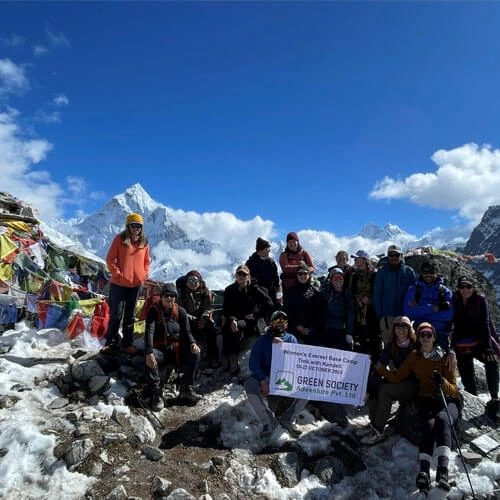
Nepal has several trekking companies, serving trekkers, travelers, and climbers for many decades. Most of them are reliable/trustworthy, providing premium-quality services to satisfy each client. Among them, Green Society Adventure is also one, which has conducted numerous trekking and climbing trips in trekking destinations of Nepal. Our team is not only a group of experienced managers, guides, and porters that support the trip but also a crew that believes in sustainable tourism and offers the best services to show the wonderful aspect of tourism in Nepal. 

You can check our previous clients’ reviews on our services and our team before joining us. Nevertheless, you can confidently select us for your dream trip to Everest Base Camp and Gokyo Lake trek. If you like us. For more details about the package, booking, and payment system, contact us on WhatsApp or email.

Itinerary
Expand AllCollapse All

Not Satisfied with this trip itinerary? Share your travel plans. Our travel experts customize the trip as per your interest.

Depending on the selected departure time, you will land at Tribhuvan International Airport in Kathmandu. Our official from Green Society Adventure will be there for your welcome with a garland or bouquet. After heartfelt greetings, you will be transferred to the hotel, where you will stay overnight. 

In the evening, stroll around the streets of bustling markets and purchase missing essentials before attending the orientation session, organized by us, as you will head to a high alpine landmark the early morning of the next day. Enjoy a welcome dinner along with your fellow trekkers and the guide that accompanies you. 

  • Max. Altitude:1320m/4329ft
  • Accommodation:Deluxe Hotel
  • Meals:Welcome Dinner

Flight Duration and Trek Duration: 25 to 30 minutes and 2-3 hours

Trek Length:            8 km 

Fly to Tenzing Hillary Airport, Lukla, from Kathmandu after a delicious breakfast. As soon as enjoying aerial views from the window of the airplane, official hiking begins in Lukla. In the first session, you will walk on descending trails along with the Dudh Koshi River and reach Phakding after crossing settlements such as Chheplung and Ghat with several ascents and descents.

The experience of crossing suspension bridges over rivers and lush forests and exploring Buddhist heritages on the route is really gratifying. Sipping Himalayan tea at the teahouse of Phakding, take a rest for a while after a continuous trek of 3 hours, and explore around the village. 

  • Max. Altitude:2800m/9184ft
  • Accommodation:Guesthouse
  • Meals:Breakfast, Lunch, Dinner

Trek Duration:     6 hours 

Trek Length:         10.8 km 

Leaving Phakding, you will head towards Namche Bazar by following the Dudh Koshi River, often considered a Sherpa town of the Khumbu region. Except for the last ascents, the rest of the trek goes gently, traversing quaint villages like Toktok, Benkar, Monjo, and Jorsalle. At Monjo, you will verify your permit to enter Sagarmatha National Park to proceed further ahead. 

Cross multiple suspension bridges, including the high Hillary Bridge, which is famous on this trekking route and taken as one of the major landscapes. After Jorsalle, the final settlement before Namche Bazar, it will be quite a challenging section due to steep and zigzag ascents via forests of rhododendrons and pines. On this day, trekkers can have the first distant glimpse of Mt. Everest if the sky is clear. 

  • Max. Altitude:3440m/11284ft
  • Accommodation:Hotel
  • Meals:Breakfast, Lunch, Dinner

Trek Distance: 3 to 4 km 

Trek Duration: 2 to 3 hours 

Before climbing to settlements and gaining more elevation, you adapt to nature properly. Go on a side hike to close destinations such as the Sherpa Culture Museum, Syanboche airstrip, and Hotel Everest View (3880 m). Enjoying spectacular vistas of Mt. Thamserku, Mt. Ama Dablam, and Kongdi Ri, learn about local cultures, and also give your body enough time to adjust to the air.

Apply the theory of “climb high, sleep low” today, as wandering around the bazaar and hiking up to higher lands is better than only resting at the teahouse. Wherever you go to visit, return to the teahouse on time, as you have to prepare for the next day’s journey. 

  • Max. Altitude:3440m/11284ft
  • Accommodation:Hotel
  • Meals:Breakfast, Lunch, Dinner

Trek Distance: 9 to 10 km 

Trek Duration: 5 hours 

After a delicious breakfast at the teahouse of Namchebazar, start the day’s journey with ascending trails and continue towards Kyangjuma. The trail takes you down to the Imja Khola river after traversing Sansa and Phunki Thenga. After crossing the river, the trail climbs up, and then continuous paths via dense forests filled with rhododendrons and alpine pasturelands lead towards Tengboche, the spiritual center of the region.

Exploration of Tenzing Memorial Chorten adds to the memorable walk. Wonderful overnight at the comfortable teahouse of Tengboche. This place is not only popular for having the largest and oldest monastery in the Khumbu region but also for its peaceful environment and its rich culture. Locals generally celebrate the Mani Rimdu festival; you can also get involved in festive activities. If it falls during the period of your trekking. On this occasion locals celebrate with masked dances, rituals, and 

  • Max. Altitude:3790m/12694ft
  • Accommodation:Teahouse
  • Meals:Breakfast, Lunch, Dinner

Trek Distance:         11 to 12 km 

Trek Duration:         5 to 6 hours 

Wake up early in the morning, take sips of tea, and then make your way towards Dingboche, a famous pausing point on the Everest trekking route. Start the hike on well-marked trails, passing by the village of Debuche, and continue on the trail alongside the Imja Khola. Afterward, you reach Pangboche, home to Pangboche Monastery, one of the oldest monasteries in the Khumbu region. Continue the journey via Shomare and Orsho, enjoying panoramas of mountains. 

Trekking through forests, popular stone-walled potato fields, and alpine flat terrain becomes really memorable. As soon as you reach Dingboche, often known as "the summer valley," trekkers usually stay an extra day for acclimatization, especially during long days’ treks. If you stay here one more day, Nangkartshang Peak is located 4 to 6 km north of Dingboche. Within 4 to 5 hours, you return after reaching there, and it helps you acclimatize well as you gain about 673 m in elevation.

  • Max. Altitude:4410m/14664ft
  • Accommodation:Teahouse
  • Meals:Breakfast, Lunch, Dinner

Trek Distance: 4 to 5 km

Trek Duration:  3 hours 

Leaving Dingboche, gradual ascents lead you toward a small Sherpa village of Thukla, situated between Pheriche and Lobuche. Trekkers of the Everest route often pause here for overnight stays or lunch before Thukla Pass (4800 m).

Optional: We can spend this day in Dingboche and hike uphill to acclimatize our bodies, and the next day trek directly to Lobuche. 

  • Max. Altitude:4620m/15154
  • Accommodation:Teahouse
  • Meals:Breakfast, Lunch, Dinner

Trek Distance: 4 to 5 km

Trek Duration: 3 to 4 hours 

Begin the trip with excitement to reach Lobuche, a settlement with facilities of basic lodges, guesthouses, teahouses, and restaurants for trekkers via Thukla Pass and memorial sites. You will get emotional seeing memorials honoring legendary climbers and Sherpa guides who lost their lives on Everest expeditions. Along with the breathtaking vistas of towering mountains, enjoy walking through Himalayan pasturelands and the last green landmarks before snowy fields. 

Observing the transformation from lush scrubland to sparsely dotted meadows with snowy acres, ascend to Lobuche, from where you will see Lobuche Peak closely. During today’s hiking, you have glimpses of peaks such as Lingtern, Pumori, and the Khumbutse Himalayan peak. Overnight stay in Lobuche.

  • Max. Altitude:4930m/16172ft
  • Accommodation:Teahouse
  • Meals:Breakfast, Lunch, Dinner

Trek Distance: 12 to 13 km 

Trek Duration: 6 to 7 hours 

In the first section, trek to Gorakshep, the last settlement before the base of Mt. Everest. After lunch, following the footprints of notable mountaineers, proceed towards the Everest Base Camp, the most anticipated destination of the trek. You will leave extra bags at teahouses and carry only needed ones for comfort on rugged terrain alongside the Khumbu glacier moraine. 

Your soul flies in the sky while standing at the base camp, decorated by prayer flags and surrounded by the Everest massif. After spending a while there, get down to Gorakshep, avoiding chilly winds. Overnight stay at Gorekshep.

  • Max. Altitude:5364m/17593ft
  • Accommodation:Teahouse
  • Meals:Breakfast, Lunch, Dinner

Trek distance: 9 to 10 km

Trek duration: 5 to 6 hours 

Kalapatthar is a famous vantage point in the Khumbu region for an extensive, 360-degree view of the entire Mt. Everest massif. Don't miss the scene of illumination when the first golden rays hit the Himalayas very early in the morning. After taking some pictures in the dramatic scenery, hike towards Dzongla Village, from where you will see the best vista of Cholatse and Taboche. This settlement is perfect for an overnight stay before crossing the Cho La Pass, compared to other villages. 

  • Max. Altitude:5644 m/18517 m
  • Accommodation:Teahouse
  • Meals:Breakfast, Lunch, Dinner

Trek Distance: 8 to 9 km

Trek Duration: 6 to 7 hours 

Leaving the serene environment of Dzongla, you head towards the foothills of the Cho La mountain pass. You will have to start trekking early in the morning to make it past the mountain pass, as starting later in the day can lead to encountering bad weather at the summit.

At a steady pace, you continue your gradual ascent to the top of the mountain pass, from where you can take in mesmerizing views of the giant peaks and the valley below. After a while, you will descend to Thangna, a settlement near Gokyo Valley. 

  • Max. Altitude:5365m/ 17598ft
  • Accommodation:Teahouse
  • Meals:Breakfast, Lunch, Dinner

Trek distance: 4 to 5 km 

Trek duration: 4 hours

After a hearty breakfast, make your way towards the valley of Gokyo, often known as the hidden valley of the Khumbu region, walking alongside the Ngozumpa Glacier (one of the largest glaciers in the region, with a length of 36 km). Continuing the journey for 4 hours, you will finally reach Gokyo Village, located near Dudh Pokhari, a third Gokyo Lake, and have Cho Oyu mountain as a backdrop set up at the juncture. 

  • Max. Altitude:4110m/13584ft
  • Accommodation:Teahouse
  • Meals:Breakfast, Lunch, Dinner

Trek Distance: 12 to 13 km 

Trek Duration: 6-7 hours 

Tackling steep uphill trails, reach the top of Gokyo Ri (5357 m) early in the morning. After reaching there, you forget all the struggles and begin to savor the charm of Cholatse Peak, Ngozumpa Glacier, and Gokyo Valley.

You also enjoy magnificent views of Kusum Kanguru Peak, Thamserku, the K-43, Kangtega, Taboche, Cholatse, Makalu, Lhotse, Nuptse, Everest, Changtse, and Pumori. You experience a similar moment to Kalapatthar. After a while, trek down to Gokyo and head to Dole for a night's stay. 

  • Max. Altitude:3440m/11284ft
  • Accommodation:Lodge
  • Meals:Breakfast, Lunch, Dinner

Trek Distance: 11 to 12 km 

Trek Duration: 6 hours 

Depending on your Everest Base Camp and Gokyo Lake trek itinerary, you will return to Namche Bazar, passing through several villages such as Phortse Tenga and Kyangjuma. It’s an easier trek than previous ones because it's mostly downhill. 

In the first phase, the downhill path leads to Phortse Tenga and continues towards Mong-La Danda, with steep ascents. From there, the trail begins to descend to Kyangjuma. Afterward, easier trails lead you to Namche Bazar for overnight stays. 

  • Max. Altitude:3440m/11284ft
  • Accommodation:Guesthouse
  • Meals:Breakfast, Lunch, Dinner

Trek Distance: 18 to 20 km 

Trek Duration: 6 to 7 hours 

This is your final night in the Khumbu area as you travel alongside the Dudkoshi River Valley on your way down to Lukla via Phakding, Monjo, and Namche Bazaar. After arriving in Lukla, rest for a bit and spend some time seeing the hamlet before heading back to the capital. Enjoy the moment when you have successfully finished the walk. Before going to bed, get ready for the flight the following day. 

  • Max. Altitude:2800m/9184ft
  • Accommodation:Guest House
  • Meals:Breakfast, Lunch, Dinner

With indelible memories of the Khumbu region, you will fly back to the capital city. Our team will shift you to the hotel to unwind for a while. As you have a leisure day, you can also visit some of the historical places of Kathmandu to know about the history of older Nepal through sculptures, ancient customs, manuscripts, statues, and architecture, which are preserved in museums and late kings’ palaces. 

For your loved ones, purchase souvenirs from the bustling markets of Thamel, Bouddha, Asan, Lagankhel, and the Bouddha area. In the evening, attend our farewell program, featuring cultural dances and Nepalese cuisine. At the last moment, share your experience with us and offer suggestions. 

  • Max. Altitude:1320m/4329ft
  • Accommodation:Deluxe Hotel
  • Meals:Farewell Dinner and Breakfast

Leaving the nation of Mt. Everest and the other Himalayas, you will return to your homeland. Our representative from Green Society Adventure will drop you off at Tribhuvan International Airport 2 or 3 hours before your scheduled flight. By shaking hands at departure, the package for the Everest Base Camp and Gokyo Lake trek is over. 

  • Meals:Breakfast
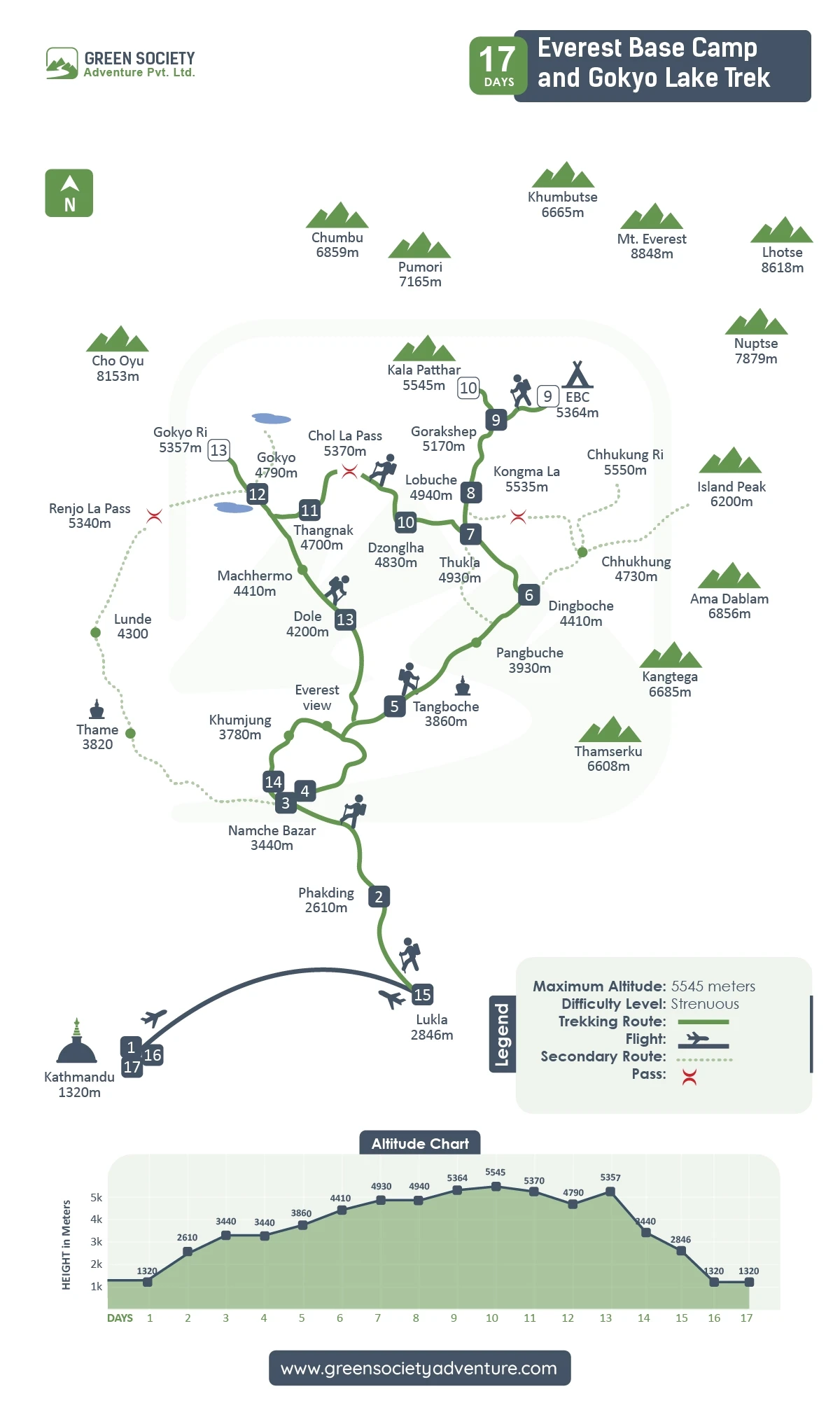
Route Map
Everest Base Camp and Gokyo Lake Trek - 17 Days map
Cost Details
Includes
  • Free airport-hotel-airport pick up and drop-off as per itinerary in private vehicle
  • Two-night deluxe hotel in Kathmandu on a twin-sharing basis with breakfast.
  • Round-trip flight Kathmandu–Lukla– Kathmandu including departure taxes
  • Full board meals: (breakfast, lunch, and dinner) during the trek.
  • Teahouse or lodge accommodation during the trek.
  • Seasonal fresh fruits as dessert every evening after dinner during the trek.
  • An experienced English-speaking trek leader (trekking guide) and Sherpa porters to carry luggage (2 trekkers: 1 porter).
  • All salary, insurance, equipment, flights, food, drinks, and accommodation for the guide and porter. 
  • Assistance guide for the group of 6 or above. 
  • Trekking equipment: such as a down jacket and sleeping bag (down jacket and sleeping bag are to be returned after trip completion)
  • Green Society Adventure's complimentary free T-shirt, route map, and duffle bag (if needed)
  • All necessary paperwork and National Park permits and TIMS
  • Khumbu-Pasang community entry fee. 
  • Farewell dinner at a typical Nepalese restaurant with traditional performances. 
  • A comprehensive medical kit/first-aid kit and oximeter to measure your oxygen and pulse level during the trek. 
  • All government and local taxes
Excludes
  • Excess baggage charges
  • Lunch and dinner in Kathmandu.
  • All bar bills along the trek.
  • Extra night accommodation in Kathmandu in case of early arrival, late departure, and early return from the mountain (due to any reason) than the scheduled itinerary.
  • Travel and rescue insurance.
  • Personal expenses (phone calls, laundry, bar bills, battery recharge, extra porters, bottle or boiled water, showers, etc.)
  • Tips for guides and porters.

Please note: The trip cost for the Solo Trekker will be USD 1879. 

Departure Dates
PLAN TRIP
Client Reviews
  • T
    TatinaRussian FederationAugust 25, 2016

    Amazing Gokyo and EBC treks

    I trekked with Green Society Adventure twice to Gokyo and EBC. Both treks were great and very affordable. Raj is a really very nice guide, always kind, helpful and sincere. He arranged both of our treks. The overall experience was just amazing :) Many thanks to Green Society Adventure and Raj!
    I'm planning to arrange my next trip to Upper Mustang with them too.

    TripAdvisor
Useful Information

When is the best time to trek to the Everest Base Camp and Gokyo Valley? 

Keeping yourself up-to-date with weather and trail conditions is a key to a successful journey. The most ideal periods of the year to embark on the Everest Base Camp and Gokyo Valley trek are spring (March to May) and autumn (September to November). Due to pleasant weather and moderate temperature, the months of these times are considered peak seasons. The demand for foods and lodges is higher as trails are crowded during spring and autumn compared to off-seasons (monsoon and winter). Passing high passes and vantage points becomes very challenging during rainy or snowy periods. Natural disasters such as landslides, avalanches, and floods increase the risks of getting injuries or major trails blocked.

The clear skies of March, April, May, September, October, and November allow you to enjoy breathtaking panoramas of the snow-clad Himalayas. But fogs, clouds, and heavy rains of off-seasons (December, January, February, June, July, and August) do not only interrupt the best scenery but also make it difficult to navigate slippery and muddy trails because of poor visibility. Festivals, including Holi, Buddha Purnima, Dashain, Tihar, and Chhath, that fall during these seasons offer you the chance to know the cultures of locals from very close. Accordingly, timing matters the most to trek to any trekking areas for safer and more interesting moments. 

Note: Temperature is expected to be 25°C to -5°C during monsoon season, pretty much warm. Temperature is expected to be 20°C to -20°C during the winter season, and the view of the mountains is spectacular.

What permits do you need for the Everest Base Camp and Gokyo Lake trek 2026/2027? 

To trek through the Khumbu region, reaching the lower slopes of Mt. Everest and Gokyo Lakes, you need to obtain trekking permits such as a Khumbu Pasang Lhamu Rural Municipality permit and a Sagarmatha National Park Entry permit. Before you arrive in Nepal, our team arranges these official documents on your behalf as you provide essential documents for them. Attaining permits is not only a legal process but also ensures your safety throughout the journey. The authorities keep records of each individual, including a detailed itinerary to track you, and provide rescue on time if needed. 

Timing may affect the cost of permits, as well as the fact that the cost for citizens from SAARC nations is more affordable than others. Follow the rules and respect locals and their cultures, showing your discipline and good manners. The collected fund is used to maintain trails and for the welfare of wildlife and vegetation of the national park. You are not only visiting places but also supporting the local economy and tourism indirectly by paying.

Why travel insurance for the Everest Base Camp and Gokyo Lake trek 17 days? 

Travel insurance is a must-have document for Himalayan trekking to avoid unnecessary anxiety and financial burden in case of unexpected events. However, ensure that the policy of the travel insurance you choose covers helicopter evacuation above 5000 m. Although you walk with caution, you might get injured, or your health might become critical due to high-altitude sickness. In such a condition, a guide provides treatment, and you need emergency rescue by helicopter, which is expensive. 

Considering the unpredictable weather of the Himalayas and other unforeseen events, including flight delays, trip cancellations, and equipment theft, damage, or loss, choose the insurance that has coverage for all these cases. As there is a saying, “prevention is better than cure," purchase the right trekking insurance and get rid of psychological strains that impact your experience. 

What accommodations and meals are on the route to Everest Base Camp and Gokyo Lake? 

Healthy foods and safe lodges are always a priority during journeys conducted by us. However, it’s on you to choose them based on your need and comfort, depending on available ones. Generally, you have to adjust to simpler teahouses after Lobuche. Most accommodations provide the best services, including charging facilities, Wi-Fi, and cozy rooms with basic amenities. Expect twin beds, some furniture, pillows, bedsheets, and blankets in a room, which is enough to be safe from harsh cold and wild animals. Luxury guesthouses of some settlements also provide hot showers, attached bathrooms, and warm dining halls, costing quite a bit more. 

At teahouses, enjoy fresh and hot meals that provide enough nutrition and strength to trek through difficult sections. Common food for lunch and dinner is “Dal and Bhat," which consists of steamed rice, lentil soup, seasonal vegetable curry, spinach, pickle, and salad. Even though some hotels and restaurants offer Tibetan and Western food such as tsampa, thukpa, chow mein, momos, pasta, fried rice, pizza, burgers, fried eggs, etc., we recommend avoiding those kinds of heavy foods. 

How difficult is the Everest Base Camp and Gokyo Lake trek 17 days? 

The Everest Base Camp trek is usually considered a moderate to challenging trek due to different factors such as trek duration, trek length, Himalayan weather, the alpine Cho La Pass, and topography (rugged terrain and glacial moraine with steep ascents and descents). Reaching above 5000 m many times really adds to its difficulty level, as thin air increases risks of high-acute sickness whether you are a seasoned or a novice trekker. 

Once you leave Namche Bazar, shops and health posts are found at long distances, keeping you in difficulty if you need something or instant health support. Secluded areas with poor internet and limited facilities might disturb your mental condition. However, the trek is achievable with proper preparation with an expert guide. 

How to prepare for the17 days Everest Base Camp and Gokyo Lake trek? 

Preparing for this challenging journey of 17 days includes both physical and mental preparation, beginning at least 1 or 2 months before venturing into the trek. Advanced climbing trainings are not required, but you can perform better on the trip when you do simple cardiovascular exercises, including jogging, running, cycling, swimming, jumping, and going on hikes to nearby destinations by gaining more than 1000 m in elevation. Such activities assist you in balancing on uneven landscapes and strengthening your leg muscles to cover long distances. 

Getting involved in yoga practices or meditation can help you to be stable mentally, especially during long walking days of the trek, as well as while passing passes and walking above 5000 m. Carry every essential, document, and enough snacks from the city to focus only on trekking, as you cannot get everything in remote zones, and make yourself feel monotonous. Keeping comics, journals, diaries, stories, novels, and games is very important in your backpack to be refreshed while taking a rest.

Are a guide and a porter compulsory for the Everest Base Camp and Gokyo Lake trek 2026? 

A guide is mandatory to obtain a permit to trek to any trekking areas in Nepal. Although a porter is an option, we recommend hiring both of them to elevate the entire experience. While logistics management of a guide is crucial, the role of a porter is also letting you walk freely in difficult sections, which matters a lot. Porters carry approximately 15 to 20 kg loads due to their experience of many years. The guide and porter are mediums to connect to locals, as both of them know the local language and help by translating to each other for you. 

Without their proper support, the Everest Base Camp and Gokyo Lake Trek might not become successful. Whether you have previous experience in high altitudes or not, the chance of getting lost is high even if you have a GPS tool and detailed map, as you are unfamiliar with the trekking areas and their weather patterns. In the past, several trekkers completed trekking in many regions independently, while some lost their lives and some got injured because of little knowledge. Considering adventurers’ security, solo trekking is not allowed these days. 

What to pack for the Everest Base Camp and Gokyo Lake trek 2026/2027? 

Trekkers always get confused while packing bags for travels. However, we help you to pack for this 17 days Everest Base Camp and Gokyo Lake trek properly, not missing anything, and make your trip more enjoyable and safer. Avoid unnecessary things that only take up space in your backpack. Must-have essentials for this 17-day trip are as follows:

Trekking gear 

  • A good-quality sleeping bag with its cover (comfort rating: –10°C to –20°C)
  • Trekking poles
  • Toolbox (scissors, tape, pin, clips, and thread) 
  • Durable backpack (25 to 35 liters)—lightweight and comfortable 
  • Lightweight knee support, microspikes/crampons, and gaiters

Clothes

  • Fleece or down jackets, woolen t-shirts, or sweaters 
  • Waterproof and windproof trekking pants and jackets
  • Thermal layer and moisture-wicking vests. 
  • Comfortable trousers

Essentials for personal hygiene and health 

  • Hats (sunhat and woolen hat) 
  • Sunglasses, and surgical masks (To save skin and eyes from Uv rays) 
  • Wet tissue paper, and handkerchief
  • Biodegradable soap, toothpaste, and toothbrush
  • Sanitizer, and quick-dry towels
  • Water purification tablets or portable filters
  • Sunscreen, lotion, insect repellent, and ointment 
  • Reusable water bottles 

Important Documents

  • A Sagarmatha National Park Entry Permit 
  • A Khumbu Pasang Lhamu Rural Municipality Permit

Others 

  • Headtorch light with extra batteries (To use while beginning the journey early and navigating trails in the dark)
  • A smartphone or satellite phone with Nepalese card, and a power bank 
  • Binoculars and a camera 
  • Journals, diaries, games, stories, and novels
  • A digital device for the forecast, GPS tools, and a trekking map 
FAQs
  • The highest point of this 17-day trek is Kalapatthar (5644 m), an iconic spot of the Khumbu region, especially for sunrise/sunset over the towering Himalayas. To avoid challenges of uncertain weather, trekkers hike up to it early in the morning with the help of a headtorch. 

  • You can obtain the required official document either in Kathmandu from the Nepal Tourism Board (NTB) and the Trekking Agency Association of Nepal (TAAN) or from the office of the Khumbu Rural Municipality at Lukla and the headquarters of the Sagarmatha National Park in Monjo. 

  • Yes, you can extend the Everest Base Camp and Gokyo Lake trek, adding more acclimatization days or exploring more areas. Even if you prefer trekking to another region such as Annapurna or Langtang, our team can manage a trip for you.

  • Yes, there is a risk of acute mountain sickness on the Everest Base Camp and Gokyo Lake trek while trekking above 2500 m due to the low level of oxygen. You need to be cautious and listen to your body and descend to lower elevations while feeling symptoms of sickness. Our experienced and trained guide helps you to get rid of such problems using medicines from the first aid kit and contacts authorities in case emergency rescue is required.

  • Both the guide and the porter do struggle, which will make your dream trek successful. However, tipping is not mandatory, as the total cost of the package covers the fare for them, but you can give them tips by consulting with your guide to appreciate their hard work. 

  • Yes, it is better to seek advice from your individual doctor for well-being during the EBC and Gokyo Lake treks. Common medicines will be in the first aid kit, but you have to carry your personal medications. 

  • Since shops are not available everywhere alongside the Everest trekking route, you can carry nutritious snacks such as dry nuts, fruits, energy bars, cookies, popcorn, biscuits, beaten rice, boiled eggs, potatoes, and instant noodles. 

  • Most hotels in the Kathmandu Valley have storerooms. Accordingly, you can keep your extra luggage either at the hotel you stay at before the trek or at our office of Green Society Adventure. 

  • No, you cannot drink water from open water sources, including ponds, streams, rivers, waterfalls, tanks, lakes, and taps. You can refill the bottle of water from time to time at teahouses. If a condition comes to use water from those sources, use a water purification tablet to avoid stomach infections or health problems. 

  • Generally, we do not recommend this trek for children and adult members of the family due to high passes and the harsh cold of the Himalayas. We have other packages such as the Everest View trek, Langtang Valley trek, Ghorepani Poon Hill trek,Tamang Heritage Trek, and Mardi Himal Trek, suitable for all family members. 

Similar Trips
You May Also Like

Ask a Question