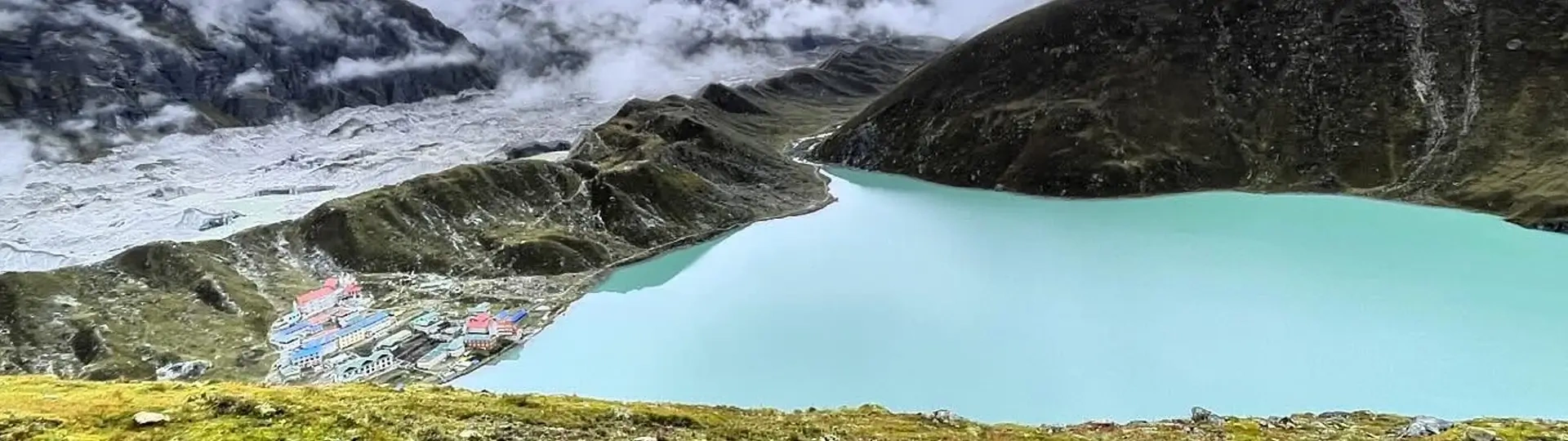
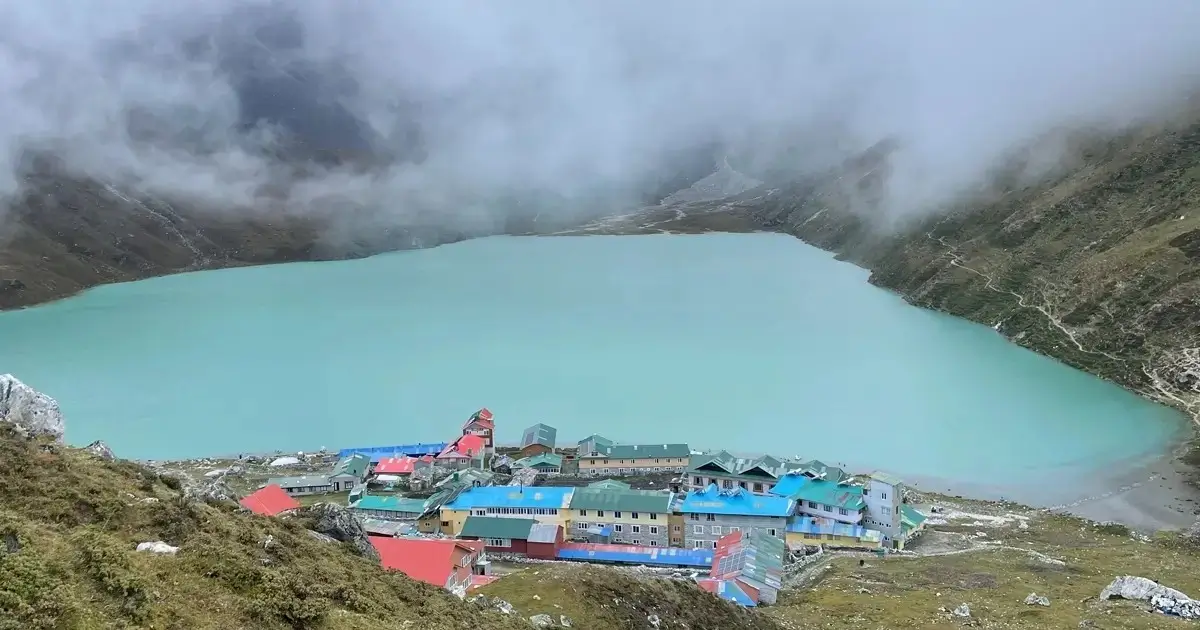
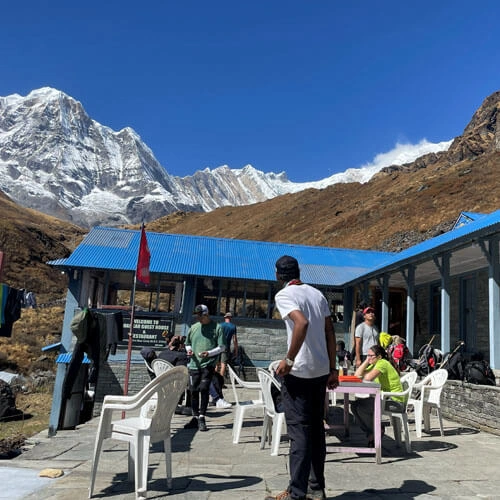
The Gokyo Valley Trek, which leads to the hidden valley of the Everest region, set alongside the turquoise third Gokyo Lake (Dudpokhari), has become an impressive alternative to the Everest Base Camp route.Breathtaking panoramas of the Himalayas from Gokyo Ri (5357 m), which are comparable to scenes from Kalapatthar. Although Gokyo trails, ranging from 2860 m to 5000 m plus, are easier than the EBC trek, adequate preparation and safety precautions are unavoidable during navigation.
If you are planning this trip in 2026 or 2027, follow our comprehensive Gokyo Valley Trek preparation guide for a more enjoyable odyssey without extra stress. After knowing high-altitude effects, safety tips, fitness ideas, and real-world readiness, you get fully ready to start the trek. Ensure that you are confident enough along with trustworthy logistics, considering the trek requires more than just enthusiasm. No more tensions about how to prepare for Gokyo Valley Trek. Contact us if you have any queries.
Table of Contents
What is the best way to start Gokyo Valley trek preparation?
For strategic preparation to trek to the valley of Gokyo, understanding the topography, trail condition, knowledge of elevation profiles with detailed maps, and logistics of the trail are the first priorities. Hiking via lush forests of rhododendrons and views of Mt. Everest, Lhotse, Makalu, Nuptse, and Cho Oyu are satisfying parts, but some risky zones require a good fitness level and sound mental health.
How is the Gokyo Valley Trek different from other high-altitude treks?
The Gokyo Valley trek is a less-traversed and peaceful trail in the Khumbu region. In contrast to easier and lower-altitude treks like Ghorepani Poon Hill, Mardi Himal Trek, and Langtang Valley Trek, this route to the Gokyo Valley presents several difficult sections, especially above 4500 m. You have to pass by Ngozumpa Glacier, which covers about 79 square kilometers, with 36 kilometers in length. As a result, you need to navigate carefully near it to proceed further ahead safely.
Compared to the Everest Base Camp route, Gokyo has fewer tea houses with limited services and food variety; booking on time is essential. Reaching Gokyo Valley (4790 m) within a few days from Lukla, the initial point of the trek, is really demanding but achievable with fewer risks of acute mountain sickness (AMS) due to gradual ascents.
At last, you should research the Gokyo Lakes trek route and plan for acclimatization at Namche Bazaar and in higher settlements based on health status. Do not miss preparing for the side hike on Gokyo Ri in this Everest region trekking preparation.
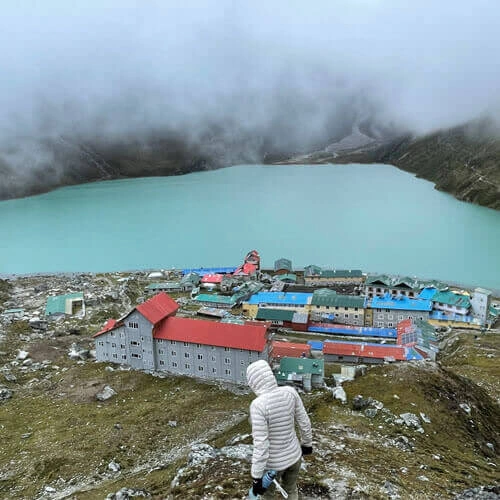
Beautiful Village of Gokyo
How difficult is the Gokyo Valley trek?
Navigation of alpine paths to Gokyo Lakes is obviously physically demanding but considered a moderate Himalayan trip and easier than the EBC trekking route. Glacial landmarks, rugged terrain, steep ascents, and low oxygen levels at higher spots make this trip quite challenging yet adventurous at every step. However, trekking time, chosen services, daily walking distance, and trip duration are major factors that affect the Gokyo Valley trek difficulty.
How fit do you need to be for the Gokyo Valley Trek?
A moderate fitness level is required for hiking for more than a week on off-the-beaten Everest trekking trails. You should be able to cover 8 to 12 km within 5-7 hours per day, balancing legs properly along with proper adaptation to the atmosphere. You should get involved in physical fitness like cardio, leg strength, and endurance.
Cardiovascular exercises such as running, stair climbing, swimming, and cycling help in enhancing stamina to deal with the thin air of mountains.
Embark on long hikes with elevation gain in nearby destinations to strengthen muscles of legs.
Practice walking while carrying a bag with some loads to make shoulders strong enough, as you have to carry a backpack with daily-use items and snacks yourself.
Research on the chosen route, and then follow acclimatization guidelines without ignoring safety precautions because it may be tough.
If you do a training plan for 8 to 12 weeks, these exercises really work effectively. Practice for long hikes frequently, reaching an altitude of almost 3000 m. A hike lasting 6 to 8 hours while carrying a load of about 6 to 7 kg will help strengthen your limbs and organs. Such a solid trekking fitness plan plays a crucial role for the moderate-to-challenging Gokyo Valley trek.
When is the best time to plan your Gokyo Valley trek?
The weather of the Everest region is changeable, so guides keep updating the forecast during the trek. Peak seasons like spring (March to May) and autumn (September to November) are the most favorable periods of the year. While monsoon brings heavy rains to many places in Nepal, making trekking paths slippery and also causing natural disasters like floods, post-monsoon (spring)features stable weather.
The months of post-monsoon start from March and end in May, renowned for the background of blooming rhododendrons along with crystal-clear vistas of mountains. As a result, avoid rainy months from June to August, when visibility is also weak because of clouds and rains. Similarly, the autumn season, before the harsh cold, also has more significance due to moderate temperatures and clear skies.
Most trekkers like the months of autumn also for getting involved in festive activities that are really helpful for cultural immersion. The extreme cold of winter (December to February) increases the risk of hyperthermia and frostbite. In essence, the Gokyo trekking preparation guide suggests spring and autumn for such Everest trails.
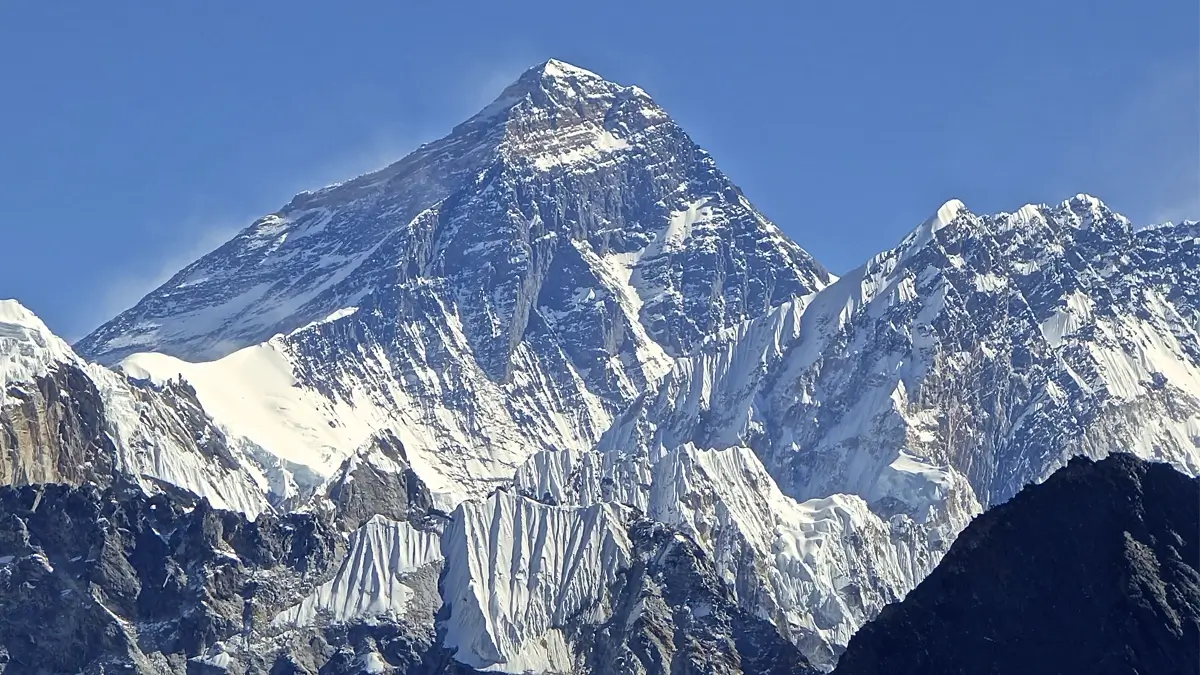
Mt.Everest View from Gokyo Ri(5357 m)
How to avoid altitude sickness in Gokyo Valley?
Adapting your body to the environment is pivotal on Gokyo treks, understanding symptoms of altitude mountain sickness (AMS). If you avoid such health issues, the condition may lead to a harsh condition, and returning to the capital city becomes the only option. Thus, follow the following major acclimatization tips for this Gokyo trek:
Cover only appropriate trekking distances, ascending to higher landmarks gradually.
Keep your body hydrated, but avoid alcohol at high altitudes.
Include acclimatization days but also stretch your legs to a nearby destination, gaining some altitude.
Follow the mountaineering technique "climb high, sleep low."
Eat light but nutritious food, which also fall under AMS prevention trekking practices
Do not miss AMS-related tablets like Diamox in the first aid kit.
Be careful, especially while tackling the low oxygen level at Gokyo Ri (5357 m), the highest point of the trek.
If AMS turns severe (HACE or HAPE symptoms):
Immediate descent—at least 500–1,000 m lower.
Administer dexamethasone (if prescribed) or nifedipine (for HAPE).
Call for evacuation—Helicopter rescues from Gokyo are common but costly.
How to Acclimatize Correctly on the Gokyo Valley Route?
Trustworthy trekking companies, including Green Society Adventure, have crafted itineraries considering trekkers of all levels. Generally, the Gokyo Valley trek includes one day of acclimatization at Namche Bazaar (3440 m), but it also has options to add more rest days either at Dole or Machhermo before heading to the Gokyo Valley. Since acclimatization is a key for high-altitude safety tips in Gokyo Valley, we recommend following the sample schedule to adapt to settlements naturally:
Day
Route
Altitude
Action
Day 2
Lukla to Phakding
2860 m
Trek and rest
Day 3
Phakding to Namche Bazaar
3440 m
Acclimatization
Day 4
Namche
3440 m
Side hike to near destination
Day 5
Namche to Dole
4200 m
Slow pace
Day 6
Dole to Machhermo
4470 m
Keep your body hydrated
Day 7
Machhermo to Gokyo Valley
4790 m
Check AMS symptoms.
Day 8
Gokyo Valley to Gokyo Ri then get back to Dole
5357 m
Side hike to Gokyo Ri and descent to Dole
Day 9
Dole to Namche Bazaar
3440 m
Keep hydrated.
Day 10
Namche to Lukla
2860 m
Maintain Walking Pace
Is obtaining travel insurance also a high-altitude safety tip in Gokyo Valley?
Travel insuranceis not a mandatory official paper for Nepal treks but a crucial one, often considered a safeguard. Let’s discuss how it must be had and taken as a high-altitude safety tip for the Gokyo Valley. Walk confidently via challenging landmarks since it protects you from unpredictable urgent circumstances such as injury, altitude sickness, or the requirement for rescue.
You will find fewer health posts in far distances in high-elevated and remote terrain with limited medical facilities, requiring trekking insurance with the right policy that also covers helicopter evacuation above 4000 m. Since the insurance pays for medications, medical treatment, and other conditions like trip/flight cancellation and individual possessions loss/theft/damage, you will not have a financial burden.
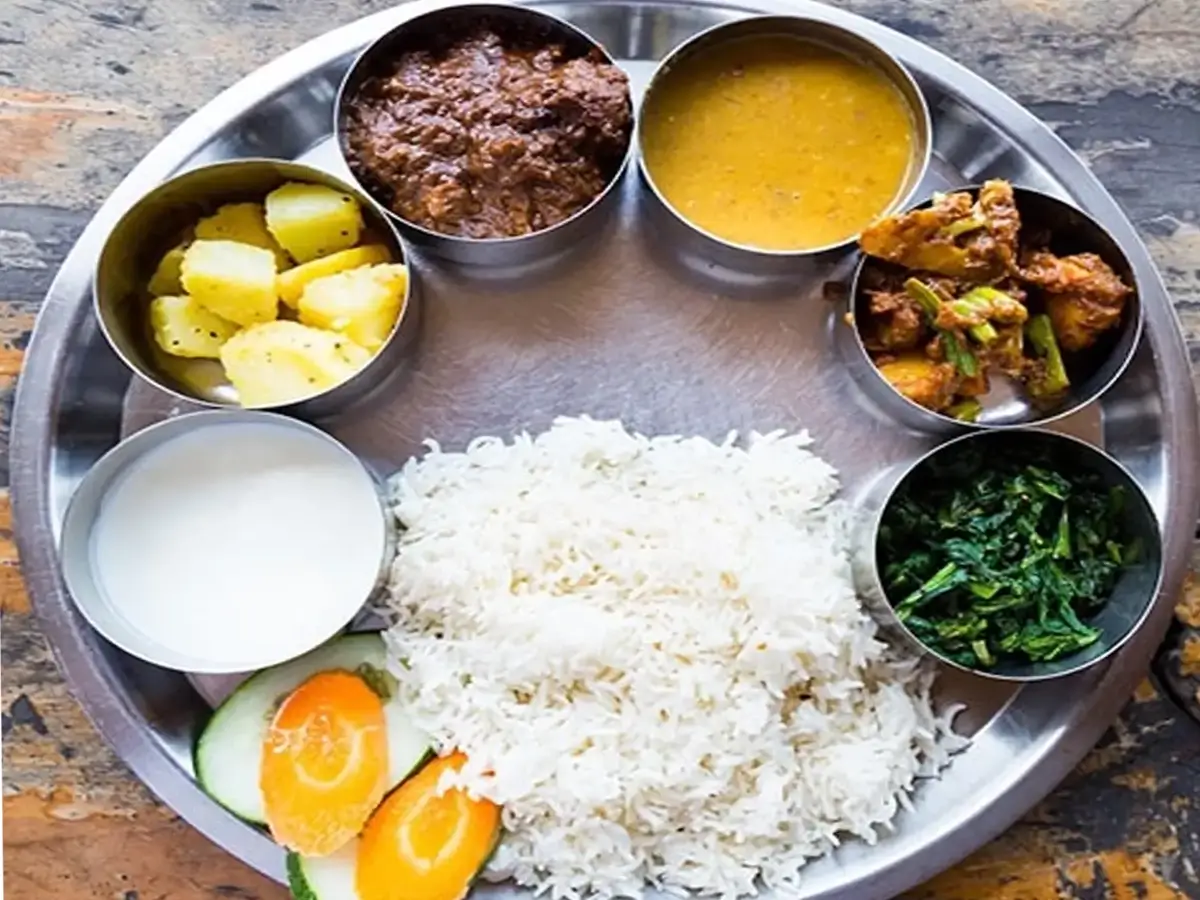
Meal on Gokyo Valley Trek route
What food and water safety measures should you follow?
As there is a saying, “Health is wealth," the Gokyo trek also requires safety concerns for successful completion. A lightweight, hot, and fresh meal, prepared in the hygienic kitchen of a local teahouse, is important to be energized and warmed in a harsh, cold environment. Although restaurants offer Western and Tibetan foods like pizza, burgers, sandwiches, omelets, noodles, chow mein, thukpa, tsampa, etc., “Dal Bhat” is the best as a meal (lunch and dinner). Dal Bhat consists of hot rice, seasonal vegetables, pickles, lentil soup, and salad.
This balanced meal provides enough carbohydrates, protein, and vitamins to keep you energized for a long time. However, avoiding unpasteurized dairy products and raw vegetables and salads at high altitudes is also better for a safe trip. If you want to have meat items, ensure that they are recently brought, as you may have health issues, as meat gets spoiled quickly, especially in the absence of refrigerators and electricity.
Drink only boiled water or water purified with filters or water purification tablets like Aqatabs instead of using water from different sources like ponds, taps, streams, rivers, and waterfalls. Keeping yourself hydrated is crucial, so drink 4-5 liters of water.
Do you need a guide for the Gokyo Valley trek?
A guide is mandatory to obtain trekking permits. Although hiring a porter is optional, we suggest it to make both of them make this Gokyo Valley trek more effective in 2026. They play major roles throughout the journey by helping you navigate trails and walk comfortably on rugged, steep terrain. The guide handles all trekking logistics, coordinating with authorities and teahouses.
As the weather of the Himalayas is changeable, keep updating on the forecast, and ask about trail conditions to guide your return from Gokyo Valley. Our experienced guide knows climate patterns, local places, cultures, and dialects and also assists you in communicating with the teahouse owner for essential things and Sherpa communities to know their traditions. A porter generally can carry a load of 15 kg to 20 kg, letting you only focus on the trek and savor the surreal beauty of nature.
They can speak English fluently, which makes it easier for you to be friendly with them. Do not worry about getting lost in an untouched destination while following a guide, as the guide can navigate difficult trails too and lead you through an alternative way even if he has no GPS tool or a paper map, because of his many years of experience. Respecting their hard work, you can even give tips, which encourage them to continue their profession, and satisfy yourself by promoting local economic status.
Safety gears for Gokyo Valley Trek
What essential gear do you need for high-altitude safety?
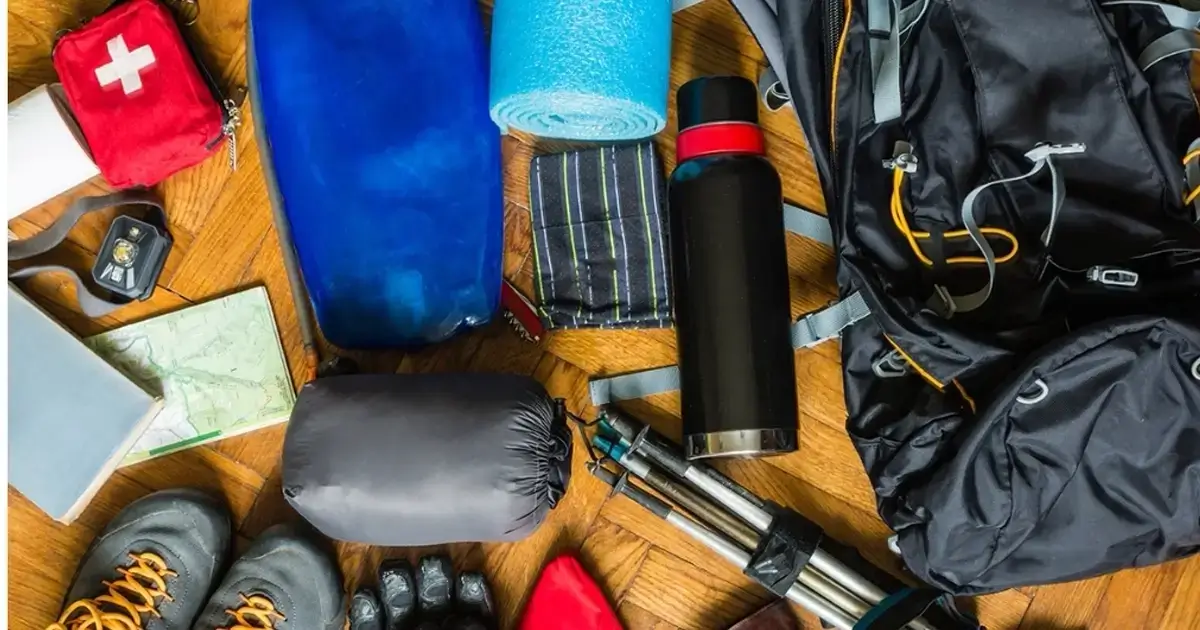
Packing for Gokyo Valley trekking becomes difficult for both beginners and those with prior experience. Doubt of difficulties and severe cold in high mountainous landmarks: Sometimes trekkers pack unnecessarily, only increasing loads. Smart packing is a key to successful trekking. Accordingly, we guide you here to pack your bag up without missing any essentials.
Clothes
Outer layers: Shell jacket and shell pants
Mid layers: Fleece/down/synthetic puffy jacket
Base Layers: Lightweight and comfortable long-sleeve thermal layer, and merino wool sweater
Footwear
Premium-quality trekking boots with durable grips
Pair of slippers/sandals (To use while walking around teahouses)
Pairs of socks (both merino wool and moisture-wicking socks)
Trekking gear
Trekking poles
Sleeping Bag (comfort rating: –10°C to –20°C)
Backpack with cover
Box of essential tools (scissors, knife)
Personal hygiene, health, and safety essentials
Sunscreen, lotions, and insect repellent
Surgical masks, sunglasses, and hats (woolen and sun hats)
Biodegradable soap, toothpaste, and toothbrush
Wet tissue paper and quick-dry towels
First aid kit with Diamox, bandages, and other individual medicines
Water purification tablets or portable filters
Reusable water bottles
Documents
Sagarmatha National Park Entry Permit
Khumbu Pasang Lhamu Rural Municipality Permit
Others
Headtorch light with extra batteries (To use while beginning the journey early and navigating trails in the dark)
A smartphone or satellite phone with Nepalese card, and a power bank
Camera and binoculars
Novels, stories, games, diaries, and journals
A trekking map, GPS tools, and a digital device for the forecast, and map.
Conclusion
Fitness, planning, and safety are the three factors to consider when it comes to preparing the Gokyo Valley Trek. By planning your Gokyo trek trip with the correct Gokyo trek planning tips, you will be able to confidently explore one of the most scenic high-altitude attractions of Nepal. The Gokyo Valley Trek is a trek that rewards prepared trekkers with stunning, jaw-dropping views of Everest, Lhotse, and Makalu.
With this Gokyo Valley Trek preparation guide in mind, which we emphasize is prioritizing acclimatization, packing smart, and respecting the symptoms of AMS, you will be able to turn risk into a memorable, safe adventure. You must respect the altitude limits, stay hydrated, and listen to your body to minimize the health risks on the journey.
When you are well prepared, are well fit, and are acclimatized well, then your Gokyo experience becomes not just a lot safer but also much more enjoyable. Preparation is also the key to the fact that your adventure through the Himalayas does not only turn out to be an adventure but is also safe, meaningful, and unforgettable, and you are able to enjoy all the beauty and cultural richness of the Gokyo Valley region in Nepal without any doubt or second thoughts.
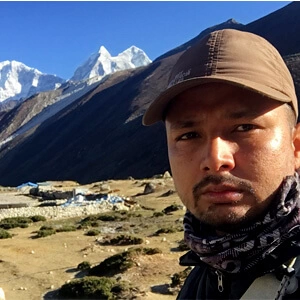
Raj Kumar Khadka
Raj Kumar was born and raised in the mountain town of Gorkha. He is an enthusiastic traveler who enjoys discovering new places. His passion for exploration knows no bounds, driving him to seek out new trails and experiences. He has successfully traveled and explored most of the trekking routes in Nepal, mastering their intricacies.
Raj Kumar started his career as a guide at the end of the year 2006. His dedication to this field has been unwavering, surpassing 17 years and counting. He established his own company, Green Society Adventure, in 2013, fueled by his expertise and entrepreneurial spirit. He has a vision to share the beauty of Nepal’s landscapes and cultures to the world. As both a guide and a leader, he inspires people to explore the world with curiosity and respect.