Gokyo Valley Trek - 11 Days

Trip Facts
  • Duration:11 Days
  • Difficulty Level: Moderate
  • Destination: Nepal
  • Max. Altitude: 5357 Meters
  • Start at: Kathmandu
  • End at: Kathmandu
  • Group Size: 1 - 14
  • Best Season: Spring(March to May) and Autumn(September to November)

Highlights

  • A short but scenic flight from the capital city to Lukla (2860 m), often known as a gateway to the popular and more commercialized Everest Base Camp trekking route.
  • Explore the holy lakes of the valley, named Gokyo Lakes, which are revered by Buddhists and Hindus, where many pilgrims visit every year, especially during Janai Purnima, for religious purposes.
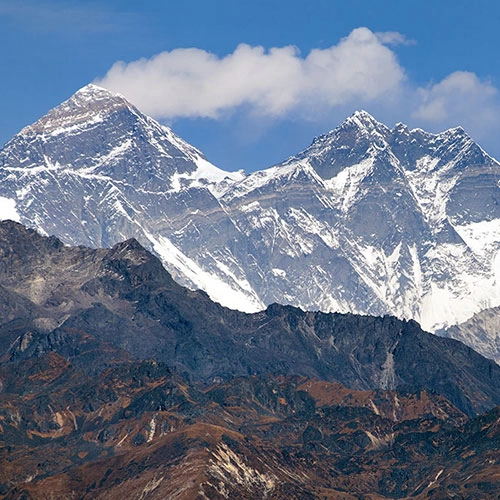
  • Go on a side hike to an iconic vantage point, Gokyo Ri (5357 m), for majestic scenery, including vistas of mountain giants such as Mt. Everest (8848 m), Mt. Makalu, Cho Oyu, Lhotse, Nuptse, and the Ngozumpa glacier.
  • Immerse yourself in an authentic Sherpa culture, influenced by Tibetan Buddhism and preserved for centuries.
  • Feel a spiritual satisfaction while exploring the ancient monasteries adorned with prayer flags, prayer wheels, and chortens, as well as experiencing moments in the relatively less crowded Khumbu region’s wilderness.
  • Have glimpses of unique flora and fauna, including the national flower and bird (rhododendron and Himalayan monal—Danphe), while traversing through Sagarmatha National Park’s lush woodlands.
  • An ideal optional route to Everest Base Camp via Cho La Pass, which is suitable for those seeking a longer and more adventurous route.
  • A chance to test physical endurance by trekking on glacial moraines and rugged terrain with steep ascents and fast technical descents.

Summary

"The Gokyo Valley trekking route is less traversed and can be a notable alternative trip to Everest Base Camp with Kala Patthar (5644 m). It reaches the summit of Gokyo Ri (5357 m), providing splendid sunrises, sunsets, and views of the Himalayas, including Mt. Everest, the highest mountain on our planet, which is often called the roof of the world. Exploration of Gokyo Lakes and traditional Sherpa villages makes the trip worthwhile." 

Trip Overview 

The Gokyo Valley Trek is one of the most rewarding yet less explored trekking routes in the Everest region of Nepal, which officially ranges from Lukla (2860 m) to the elevated lookout point, Gokyo Ri (5357 m). This 11-day odyssey is ideal for adventurers seeking a less crowded experience than the more famous Everest Base Camp and Annapurna Base Camp treks, offering iconic moments and surprises at every phase of this remarkable trek. Beyond the charms of nature, a trekker gets to learn about the authentic Himalayan cultures of ethnic groups living in mountainous landmarks, far from modern technologies and hectic schedules.  

Trails that pass through quaint hamlets, several suspension bridges, and dense forests of Nepalese national flower rhododendrons stir your feelings when you witness spectacular views of Mt. Everest (8,848.86 m), Cho Oyu (8,188 m), Lhotse (8,516 m), Nuptse (7,861 m), etc. Spending a night at the teahouse in Gokyo village, near the third Gokyo Lake, is also a mesmerizing experience, similar to exploring sparkling, holy lakes revered by both Buddhists and Hindus. Many pilgrims from all over the world come for religious purposes with family members.

Our Gokyo Valley Trek guide will make it easier to plan it in 2026/2027. Hurry up and book this package, as spring is near, and reserve your trip on time. At an affordable cost, an itinerary can make your dream come true. 

What to expect during the trek to Gokyo Valley and the side hike to Gokyo Ri?

The Gokyo Valley Trek is more than a physical endurance test since it teaches every individual to adapt to limited services and amenities, far from the chaos of modern urban life and the digital era. Meals and accommodation will be common once you leave Namche Bazar due to the geographical structure and transportation difficulty. However, the 11-day trip, accompanied by an experienced guide from Green Society Adventure, lets you collect cherished memories.

Majestic view from Gokyo Ri (5357 m)

From Lukla, where you land at Tenzing Hillary Airport, one of the highest airports, the distant Himalayas come into view under clear skies. Upon reaching Namche Bazaar, traversing villages such as Phakding, Cheplung, Phakding, Monjo, and Jorsalle via Sagarmatha National Park, close views of Mt. Everest, Lhotse, and Amadablam begin to appear. The scenic environment of each pausing point, for instance, Dole, Machhermo, and Gokyo Village, offers awe-inspiring vistas.

However, the klpanoramas of Mt. Everest, Makalu, Cho Oyu, Lhotse, and Nuptse, as well as Gokyo Valley and Ngozumpa Glacier, are comparable to the view from Kalapatthar (5644 m), a side hike of the EBC trek. Trekkers capture the golden atmosphere of dawn and enjoy it fully.  

Glimpses of Wildlife on the trail to Gokyo Valley

The trip takes you through Sagarmatha National Park, a UNESCO World Natural Heritage Site, which is home to numerous birds, animals, and unique vegetation. Even if you feel exhausted due to covering long distances, the fragrance of wildflowers, tree rustlings, the roaring rivers’ sounds, and the gentle murmur of cascading waterfalls heal your pains and reduce fatigue. Using binoculars, enjoy the closer activities of wildlife like musk deer, Himalayan tahr, and the colorful Danphe (Nepal’s national bird) in their natural habitat.

Those who love photography get an opportunity to capture them on the camera roll and expose them to the public. While passing by pasturelands, you also see yaks and mules that are grazing there. Mules are generally used above 4000 m to carry bulky loads like food and essentials, while yaks are mainly found in settlements of 2500 m to 4000 m in order to produce cheese and carry lighter things. 

Sherpa cultures and a warm welcome 

At the moment of trekking in an untouched place, the delightful faces of locals and a heartfelt welcome in a traditional way at family-friendly teahouses never let you feel isolated. Although villages are mainly dominated by Sherpa, often known for their mountaineering skills, you find them respectful towards your faiths and beliefs. Large monasteries, gompas, maniwalls, prayer flags, and wheels showcase locals’ traditions, influenced by Tibetan Buddhism. During the trek, explore nearby Buddhist pilgrimage sites to learn about the historical facts about this religion and have spiritual satisfaction.

Locals do not feel uncomfortable letting you attend morning prayers, rituals, and their festive programs since they follow a saying in Sanskrit and Nepali, “Atithi Devo Bhava,” which emphasizes that guests should be treated like deities. To participate in occasions like Lhosar or Saga Dawa, visit there in February or March. Both men and women mostly seem to be wearing their own cultural attire to hand over traditions to the coming generation. Their own dialect and numerous food items add more knowledge to your life's dictionary.

Gokyo Lakes and natural wonders 

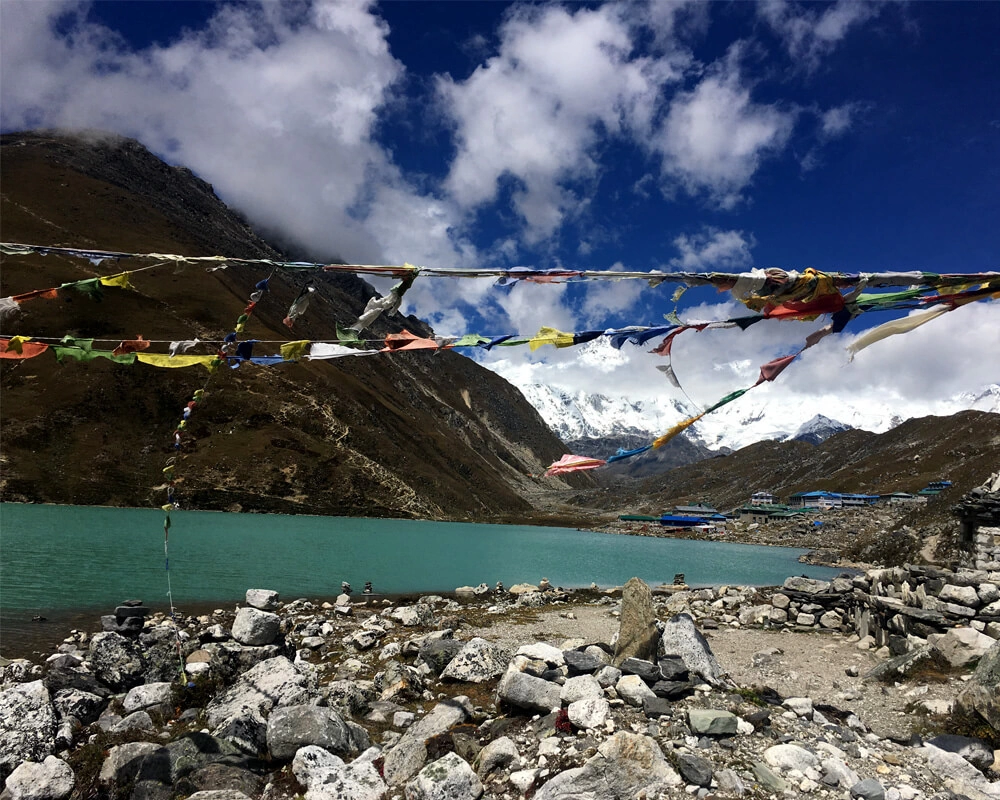
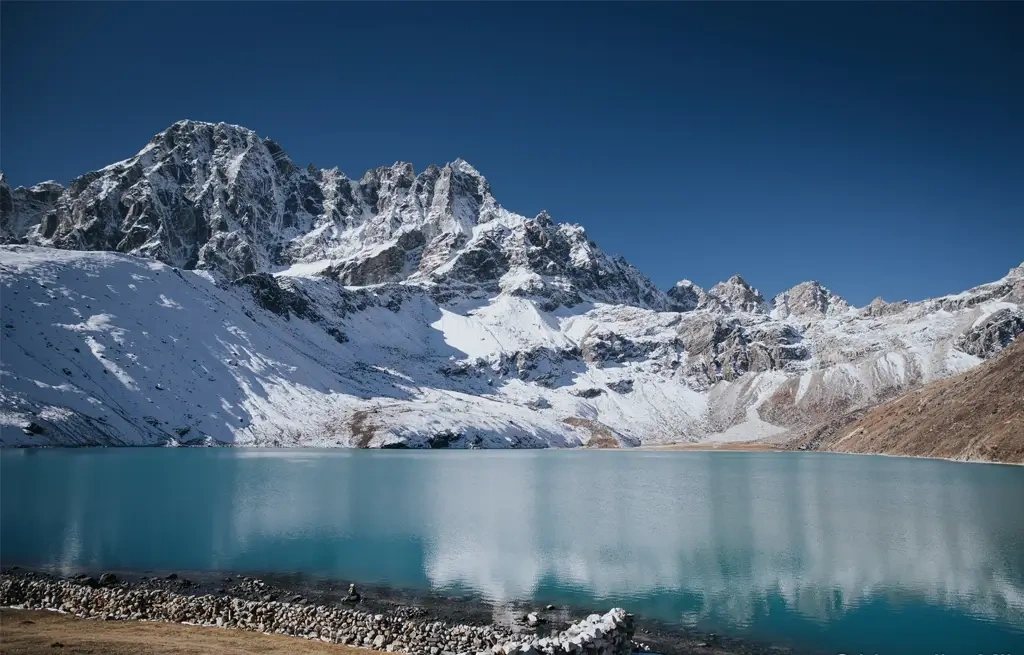
There are 19 Gokyo Lakes in the Everest region, which is deeply revered as a holy water source and worshiped by pilgrims of Buddhism and Hinduism, especially in Janai Purnima (Full Moon Festival of the Sacred Thread). According to local legend, it is believed that “Nagdevata”—the snake deity—resides in the 3rd Gokyo lake, named “Dudh Pokhari,” which in English means milk pond. Blue turquoise water sources, surrounded by snow-clad mountains, create a dramatic backdrop for photography. 

Who can do this 11 days Gokyo Valley Trek? 

The Gokyo Valley Trekking package is usually for those with a physically fit body and a sound mindset since it includes some demanding terrain, such as glacial moraine, rugged landmarks, narrow and steep trails, and some landslide-prone areas. Elevations above 5,000 meters can pose serious health risks if proper care and acclimatization are neglected. However, a novice trekker can also complete a trek with proper training, strategic packing, and a smooth itinerary under the guidance of a seasoned guide. 

For a trekker who wants to have a similar experience to Everest Base Camp with Kalapatthar, we recommend this trip, which can really be an adventurous one. To enjoy panoramic vistas of Mt. Everest with easier trails than this 11-day trip, the Everest View Trekcan be the best for you. You can also go on this trek with your family since it is suitable for an elderly member and a younger one. 

Why is the 11-day Gokyo Valley Trekking the best? 

Our itineraries are always designed considering all levels of trekkers, regardless of fitness level and age. This Gokyo Valley trekking package also has a seamless itinerary that allows you to proceed to higher elevations gradually. Nevertheless, you should only follow the guide and not rush to reach the day's destination on time. When a package gets activated, the Gokyo Valley trekking itinerary leads each activity from the welcome dinner and briefing session to reaching Gokyo Ri (5357 m), the highest point of the trek, and back to the capital city. 

Beginning a journey with a short scenic flight to Lukla, the itinerary makes its way towards Gokyo Village on the 7th day from Machhermo after stops at Phakding, Namche Bazaar, and Dole. Namche Bazar is more facilitated than other isolated villages on this route. To allow your body to naturally adjust to the alpine environments, the itinerary has an acclimatization day and also offers a side hike to the Everest View Hotel (3880 m) before heading to higher zones. 

Gentle steps from the summit of Gokyo Ri will take you back to Dole with easier descending trails to reach Namche and then Lukla. After celebrating a successful official trek in the Khumbu region, you fly back to the Kathmandu Valley with our representative, leaving local porters there. A leisure day allows you to rest for an entire day or encourages you to explore some historical and cultural places that showcase the ancient medieval period in arts and architecture, as well as the history of old Nepal. In the evening, conclude the Gokyo Valley trekking itinerary after attending a farewell dinner organized by Green Society Adventure. 

What is the cost of the Gokyo Valley Trekking package? 

The cost for a package of treks depends on the chosen itinerary (trekking distance and duration of the trek), services (food, lodges, porters, and guides), and the trekking agency (international, national, or local). As our Gokyo Valley Trekking is customizable, you can even modify it based on your budget. Adjusting to a simple teahouse with limited facilities, furniture, and food items is more cost-effective than standard accommodation. 

Hiring a guide and a porter in a group also lessens one’s total trekking cost. Checking the traveler’s review and the authenticity of the trekking agency, choose a reliable local one that has comparatively more budget-friendly packages. The Gokyo Valley trek cost also differs from one trekker to another because of different preferences. However, choosing our package is an affordable one. 

Why the Gokyo Valley Trek with Green Society Adventure?

A team from Green Society Adventure is a crew of professional travelers who have an experience of 12 to 13 years in the travel and tourism sector in Nepal. We believe that our ethical responsibility is to satisfy our clients, providing premium services throughout the journey. Once you book the Gokyo Valley trekking package from us, we assist in every single process in case you feel difficulty. However, our booking process and payment system are simpler.

To get further information regarding the chosen treks, we are available 24/7. You can contact us on WhatsApp or via email. We instantly respond and clear the doubts. We provide a seasoned trekking guide licensed and registered with the Nepalese government with sufficient training who can also handle the harsh circumstances of high-altitude sickness. Our local porters also help you to communicate with locals and not only facilitate this by carrying loads. 

All our members are friendly and helpful; they offer you a comfort zone even if you are a solo trekker. You will feel like traveling with close ones, with your fellow trekkers as a guide, who play a vital role in creating a strong bond among you. Check the reviews out, and also research about us; you will find our company the most reliable among several trekking agencies in Nepal.  
Itinerary
Expand AllCollapse All

This is our standard package plan. If you want to customize the trek itinerary, tell us your holiday plan; our travel experts will help you to make it suit your interests. 

Drive duration: 35 to 40 minutes 

Our officials will be waiting for you at the gate of the Tribhuvan International Airport and welcome you with a delightful smile. As the package for 11 days of the Gokyo Valley Trek gets activated, reach a deluxe hotel in the capital city to unwind for a while after a drive of 30 to 35 minutes. 

Before taking an orientation session for trekking in the wilderness of the Khumbu region, you can stretch your legs around bustling markets and purchase essentials. Ask questions regarding the trip since you will meet the guide and fellow trekkers there. 

  • Max. Altitude:1320m/4329ft
  • Accommodation:Deluxe Hotel
  • Meals:Breakfast, Lunch, Dinner

Trek Distance: 6.2 km

Duration: 35-minute flight and 3-hour trek     

A thrilling 35-minute flight to Lukla offers you an aerial view of the valleys, mountains, lush forests, and rivers. Lukla is a bustling spot, where you can see guides, porters, and trekkers either returning from Everest Base Camp/other destinations or heading towards them. After taking a rest and having some food, you will begin to head towards Phakding, a small but peaceful settlement of Sherpa communities located on the bank of the Dudh Koshi River.

Easier descending trails finally take you to the destination, crossing quaint hamlets such as Chhepulung and Thado Koshi. The warm hospitality of locals and the beautiful scenery from the teahouse create lasting memories of the first night of the trek in the Everest region. 

  • Max. Altitude:2655m/8708ft
  • Accommodation:Guest House
  • Meals:Breakfast, Lunch, Dinner

Trek Distance: 10.8 km

Duration: 35-minute flight and 3-hour trek     

After a hearty breakfast, make your way towards Namche Bazaar, often known as Sherpa Town, and serve several travelers on the Everest region trekking routes. Ascending trails lead you to the office of Sagarmatha National Park in Monjo Village via rhododendrons, pines, and oaks. Here, verify the entry permit for the park, and continue with quite challenging trails with steep ascents. 

Crossing some settlements like Jhorsalle and Mislung, along with suspension bridges, and having glimpses of peaks and rare animals, you reach the pausing spot. 

  • Max. Altitude:3440m/11284ft
  • Accommodation:Stander Hotel
  • Meals:Breakfast, Lunch, Dinner

Trek Distance: 5 to 6 km

Duration: 3 hours 

After a wonderful night in a standard accommodation with adequate amenities, on this day, you can either rest at the hotel or go on a side hike nearby. However, the best option is to explore the area and try to gain some elevation, as this day is meant for helping your body adapt to the high-altitude terrain, supported by the saying, “Hike higher and sleep lower.” Among several destinations, Everest View Hotel (3880 m) offers breathtaking panoramas of Mt. Everest, Nuptse, Ama-Dablam, and Lhotse. 

For more details on the story behind the towering Himalayas, authentic Sherpa cultures, and the struggles of locals living in remote areas, visit the Sagarmatha National Park headquarters and the visitor center. Since Namche Bazaar has markets and restaurants, along with its unique traditional features, stroll around and purchase items. Returning to the hotel on time, prepare for prolonged trekking before bedtime. 

  • Max. Altitude:3440m/11284ft
  • Accommodation:Standard Hotel
  • Meals:Breakfast, Lunch, Dinner

Trek Distance: 5 to 6 km

Duration: 6 hours 

Depending on the Gokyo Valley Trek itinerary, today you will separate from the Everest Base Camp route and head toward Gokyo Valley. At first, the trip begins along the main trail shared by both the EBC and Gokyo treks, up to Kyangjuma. Requiring more caution, the trek becomes gradual and consistent as the terrain transforms into quite steep and forested sections filled with rhododendrons, junipers, and conifers. While continuing the journey, the mind-blowing scenery, together with the confluence of the Dudh Koshi and Imja Khola rivers, captivates your heart. 

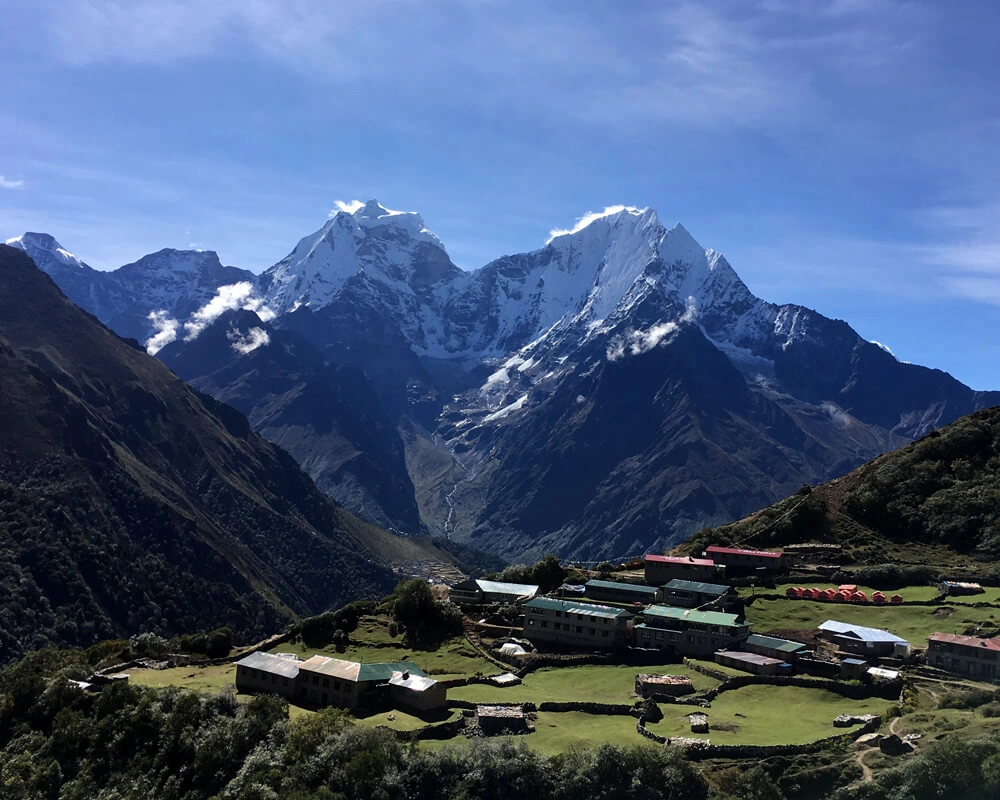
Crossing by grazing lands and several quaint hamlets, such as Tongba and Gyele. Even though it’s the first night above 4000 m during this 11-day trek, you will get a simple but comfortable teahouse at Dole. However, the serenity of the atmosphere, awe-inspiring vistas of Khumbila and Tawache (6542 m), as well as the excitement of being closer to the crystal-blue Gokyo Lakes, are worth the struggles you make on the day. 

  • Max. Altitude:4110m/13585ft
  • Accommodation:Teahouse
  • Meals:Breakfast, Lunch, and Dinner

Trek Distance: 7 km 

Duration: 4 hours 

Leaving Dole, a beautiful village surrounded by forests, a rewarding trek alongside the Dudkoshi River (Milky River), which emerges from the Everest Himalayan massif, takes you to an alpine landmark. Glimpses of yaks grazing in fields of Luza and Lha Farm. You will enjoy close vistas of mountain giants such as Kantega, Thamserku, and Cho Oyu and the magnificent scenery of Ngozumpa Glacier. 

When you reach Machhermo for an overnight stay, the golden sunset and locals’ bright faces with big smiles welcome you to the hamlet that provides the best view of Gokyo Valley. As it’s usually called a gateway to Gokyo Lakes, you meet several trekking teams there. 

  • Max. Altitude:4470m/14661ft
  • Accommodation:Teahouse
  • Meals:Breakfast, Lunch, and Dinner

Duration: 4 hours

Distance: 5.7 km/3.5 miles

Waking early in the morning, begin climbing towards the Gokyo Valley, reaching alpine zones at high elevation that offer clearer and closer views of small villages, Mt. Cho Oyu, Katenga, and Cholatse. Crossing the settlement of Phanga and by the Ngozumpa glacier, reach Longpongo (the first Gokyo Lake) and Taboche Tsho (the second Gokyo Lake) by trekking on glacial moraine and rugged terrain. 

Proceeding upwards through the valley, on a trail that is parallel to Ngozumpa, you will reach the third lake before Gokyo Village, situated near the third lake. After reaching the day’s destination, check into a teahouse, and have lunch. In the evening, utilize time by exploring the village, Gokyo Lake, and Dudh Pokhari.

  • Max. Altitude:4700m/15416ft
  • Accommodation:Teahouse
  • Meals:Breakfast, Lunch, Dinner

Trek distance: 14 km 

Trek duration: 6 - 7 hours 

Today is the most anticipated day of the 11 days Gokyo Valley Trek, as you will hike up to Gokyo Ri (5357 m), one of the best viewpoints in the Khumbu region. The journey begins early in the morning to catch the most dramatic scenery, especially views, while the environment changes from nightfall to sunrise, making glaciers more vibrant due to the golden rays of the sun on them. Spending quality time with loved ones and the team becomes really worthwhile due to expansive panoramas of Gokyo Lakes, towering mountains, and the Ngozumpa Glacier. 

Mainly enjoy marvelous views of Mt. Everest (8848 m), Cho Oyu (8153 m), Guangcheng Kang (7922 m), Lhotse (8501 m), Makalu (8475 m), Cholatse (6440 m), Taweche (6542 m), Kantega (6685 m), Thamserku (6808 m), and Lobuche (6145 m) on this day. After this wonderful moment, descend back to Dole using the trail that you used to reach here. 

  • Max. Altitude:5357m/17570ft
  • Accommodation:Teahouse
  • Meals:Breakfast, Lunch, Dinner

Trek distance: 11 km to 12 km

Duration: 5 to 6 hours 

With unforgettable memories in remote areas of the region, return to Namche Bazar via the most descending trails. Crossing Phortse Thanga, Phunki Thaga, Mongla, and Sansa, reach Namche Bazaar. Before returning to Lukla for flying back to the capital city the next day, enjoy the serenity and scenes of Everest, Lhotse, and Tengboche for the last time. 

  • Max. Altitude:3440m/11284ft
  • Accommodation:Stander Hotel
  • Meals:Breakfast, Lunch, Dinner

Trek distance: 17 to 19 km

Duration: 4 to 5 hours 

Enjoy to the fullest on the last day in the Everest region, as the journey is easier than on the previous days due to descending trails. Immersing yourself in locals’ cultural heritage, along with enjoying the vistas of Kwangde Peak. Learn rituals of Buddhism or other Himalayan traditional practices, generally influenced by Tibetan Buddhism. A journey continues via forests filled with rhododendrons, pines, and other plants. 

Crossing small settlements like Chheplung and suspension bridges over the Dudkoshi River and Thado Koshi. After reaching Lukla, we shared each other's experiences of spending some days together in the mountainous landscape.

  • Max. Altitude:2800m/9184ft
  • Accommodation:Guest House
  • Meals:Breakfast, Lunch, Dinner

Duration: 25 minutes(Flight) and 35 minutes(drive) 

Leaving Lukla behind, fly back to the capital city of Nepal, Kathmandu. To get relief from walking for a prolonged period, take a rest at the hotel, and if you wish, take the service of a massage.

In the afternoon, you can also explore the missed places and purchase souvenirs for loved ones from bustling markets such as Thamel, Boudhanath, Lagankhel, and Asan Bazaar. The trek ends with a wonderful farewell dinner, organized by the Green Adventure Society. 

  • Max. Altitude:1320m/4329ft
  • Accommodation:Deluxe Hotel
  • Meals:Breakfast, Farewell Dinner
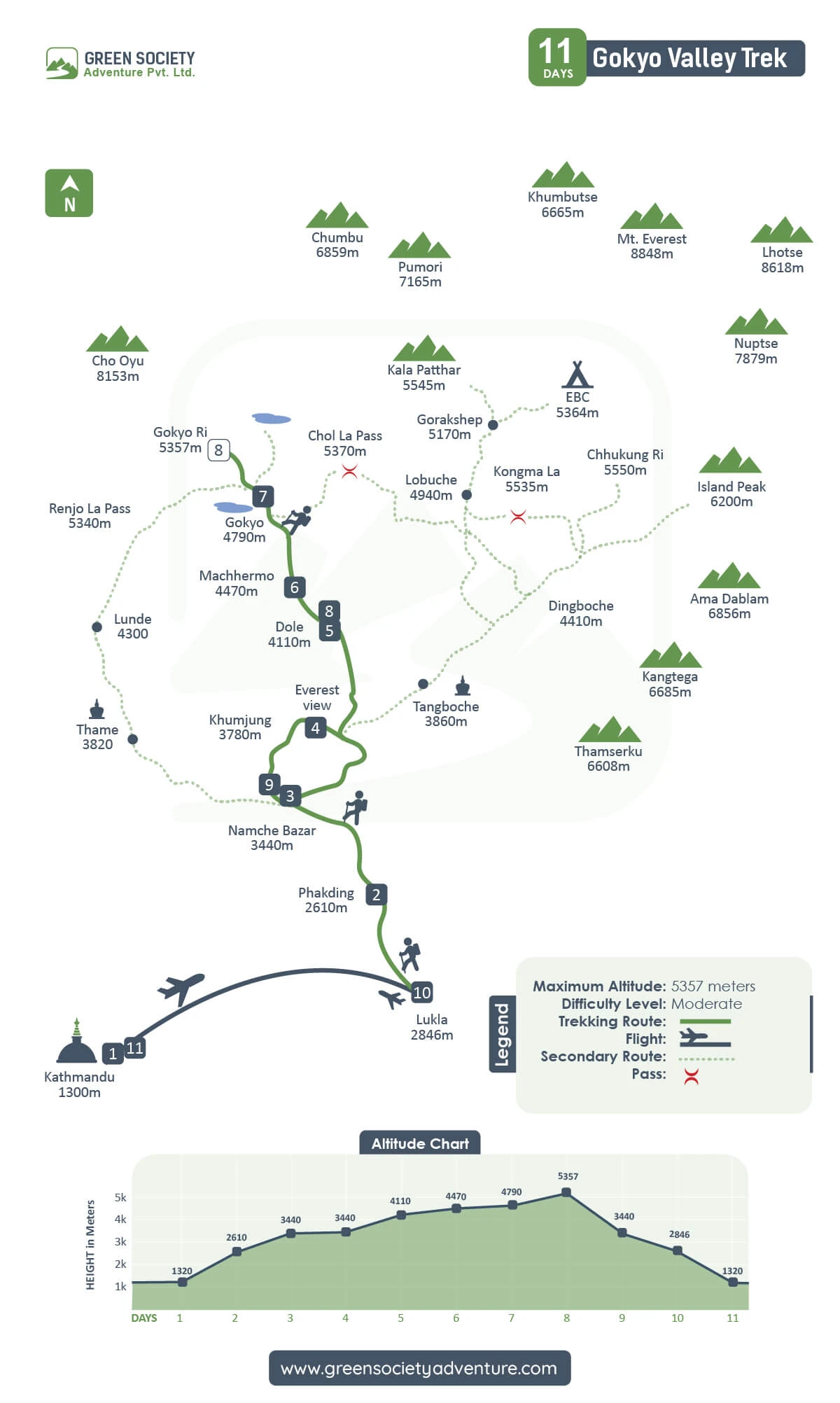
Route Map
Gokyo Valley Trek - 11 Days map
Cost Details
Includes
  • All Airport and hotel transfers as per itinerary in private vehicle
  • Two-night accommodations in a deluxe hotel in Kathmandu on a twin-sharing Basic.
  • Farewell dinner in Kathmandu. 
  • Kathmandu – Lukla– Kathmandu flight including airport tax. (note: During high season Lukla flights can be operated from Ramachep airport, which takes a 4-hour drive to reach this airport). 
  • Full board meals: breakfast, Lunch, and dinner during the trek.
  • Fresh fruits and cookies serve as a dessert in the evening during the trek. 
  • Teahouse/ lodge accommodation during the trek.
  • An experienced English-speaking trek leader (trekking guide), 
  • Sherpa porters to carry luggage (2 trekkers: 1 porter).
  • All salary, insurance, equipment, flight, food, and lodging for the guide and porter.
  • Assistant guide for groups of 5 and above. 
  • Free GSA duffel bag and trekking map.
  • All necessary paperwork and National Park permit and TIMS.
  • First aid kit with basic medicine. 
  • All government and local taxes.
Excludes
  • Nepalese visa fee.
  • International airfare.
  • Excess baggage charges.
  • Lunch and dinner in Kathmandu.
  • All bar bills along the trek.
  • Extra night accommodation in Kathmandu in case of early arrival, late departure, and early return from the mountain (due to any reason) than the scheduled itinerary.
  • Travel and rescue insurance.
  • Personal expenses (phone calls, laundry, bar bills, battery recharge, extra porters, bottle or boiled water, shower, etc
  • Tips for guides and porters.
Departure Dates
PLAN TRIP
Client Reviews
  • marco vergassola
    marco vergassolaItalySeptember 30, 2025

    Fabulous Gokyo trek (10 days)

    We booked our trip (Gokyo Trek, 10 days) with the Green Society Adventures after reading about them in a few travel blogs about Nepal, and we couldn’t be happier of how things went. Impeccable organisation, fair prices, no hidden costs, flexibility in the planning and truly passionate people.
    Everything was organised perfectly and Raj (our guide and the founder of the company) always has a plan B (probably C and D as well) to adapt the trek to your needs and desires. Raj was very caring at all times, from telling us on which side of the plane we should sit to see the mountains, to making sure we always had food and drinks which were safe for our European weak stomachs, to taking care of answering our million questions about Nepal traditions, altitude sickness, and the names of the peaks (which we kept forgetting), villages, trekking routes, dishes, etc.
    In simple words, we strongly recommend you to let the green society adventures take care of your next visit to Nepal. Surely you won’t regret it.

    Google
  • Tadej Vorenika
    Tadej VorenikaSloveniaDecember 08, 2024

    Great Service Wonderful Experience

    Green Society Adventure is Great and provides very kind service. We especially appreciated personalized offers based on our wishes. Definitely would recommend!

    TripAdvisor
Useful Information

What is the best time to trek to the Gokyo Valley? 

Timing is a crucial aspect of trekking in any destination, especially if you are heading to the Himalayan mountain ranges, including Gokyo Valley in northeastern Nepal. Selecting the optimal period of the year helps avoid unexpected incidents. You might have heard the news of getting injured due to instant weather changes, even in the presence of a guide and equipment. Accordingly, embark on this 11-day trip in 2026/2027 during the spring (March to May) and autumn (September to November) to skip heavy rainfalls and heavy snowfalls along with chilly winds. 

Spring not only allows you to walk on dry trails but also provides magnificent views of towering peaks while enjoying a trek on the forest trails full of blooming rhododendrons. A moderate temperature of spring becomes ideal for both trekkers and animals, who are seen playing happily in their homes actively. Autumn adds more with the thrills of festive vibes on several occasions, including Dashain, Tihar, and Chhath, which are celebrated all over Nepal. 

Natural disasters like floods and landslides during the monsoon period and avalanches in winter become risks for trekkers. In some cases, a guide can lead you through alternative ways, but in other cases, increases the risk of getting stuck in the middle due to uncertain events or constructing major trails. Bold individuals also venture into treks during off-seasons, selecting rainshadow areas like Upper Mustang and Upper Dolpo. However, we do not recommend trekking at this time and suggest considering the conditions carefully rather than being influenced by discounted offers.

What food and accommodation are available on the Gokyo Valley Trek routes?

The Gokyo Valley Trek 11 days, also goes through remote settlements, but locals are running comfortable teahouses with simple but clean rooms and some basic items, along with furniture. While in Kathmandu, you will stay in a deluxe hotel and a standard one in Namche Bazaar, where hot showers, attached washrooms, warm dining halls, and Wi-Fi service will be available, together with various items of Nepalese, Western, and Tibetan cuisines. As you ascend higher, you will find simpler teahouses but at a cost quite higher than the normal price.

Since your safety and well-being are priorities, our team never compromises on them and keeps you in the best care. Local guesthouses/teahouses provide nutritious, hot, and fresh meals to provide enough energy for your body. Generally, you will get Dal Bhat for lunch and dinner, which includes steamed rice, seasonal vegetables, pickles, and salad. Even if some restaurants provide Western and Tibetan food, for instance, pizza, pasta, omelets, noodles, momos, thukpa, etc., we suggest lighter and healthier food that digests easily and does not make you hungry earlier.

Why are trekking permits essential for the Gokyo Valley Trek 2026?

A trekking permit is a must-have official document for any trek, including the Gokyo Valley trekking package. This 11-day journey requires a Sagarmatha National Park entry permit and a Khumbu Pasang Lhamu Rural Municipality permit. While you have to obtain the rural municipality permit at Lukla and verify it before starting the official trek, the national park permit will only be issued at Monju, which is obtained from the Nepal Tourism Board, Kathmandu, or directly from here. During this process, authentic administration keeps all your records and a detailed itinerary together to track you throughout the journey and provide instant rescue. 

Attaining permits is not only to access trekking destinations legally but also to ensure safety. Do not harm any wildlife or plants, as these official papers make you responsible. The collected funds are usually used to maintain trails, clean areas, and protect biodiversity, as well as control deforestation and pollution, considering sustainable tourism. By regulating mandatory permits, the government can control the number of tourists and handle them in a manageable way. To avoid unnecessary problems and penalties, obtain all essential papers. However, many trekking agencies process them on your behalf by letting you only focus on the trek. 

Do you need travel insurance for the 11 days Gokyo Valley Trek?

We highly recommend travel insurance. If you are embarking on high-altitude treks, ensure safety and avoid unnecessary costs by obtaining the right one. With deep research and asking for recommendations from the chosen trekking company, select the best insurance. Your travel insurance must cover helicopter evacuation above 4000 m, medical treatment, and unforeseen cases like trip cancellation; flight delay or cancellation; and damage, loss, or theft of luggage and trekking equipment. 

The insurance plays a vital role in the condition of getting injured or needing emergency health services since it pays for hospital fees and expenses for medications. However, do not compromise with limited coverage at a low price, as it is a matter of security. 

How will a guide and a porter assist you on the Gokyo Valley Trek? 

A guide is mandatory to obtain trekking permits. Although hiring a porter is optional, we suggest it to make both of them make this Gokyo Valley trek more effective in 2026. They play major roles throughout the journey by helping you navigate trails and walk comfortably on rugged, steep terrain. The guide handles all trekking logistics, coordinating with authorities and teahouses. 

As the weather of the Himalayas is changeable, keep updating on the forecast, and ask about trail conditions to guide your return from Gokyo Valley. Our experienced guide knows climate patterns, local places, cultures, and dialects and also assists you in communicating with the teahouse owner for essential things and Sherpa communities to know their traditions. A porter generally can carry a load of 15 kg to 20 kg, letting you only focus on the trek and savor the surreal beauty of nature. 

They can speak English fluently, which makes it easier for you to be friendly with them. Do not worry about getting lost in an untouched destination while following a guide, as the guide can navigate difficult trails too and lead you through an alternative way even if he has no GPS tool or a paper map, because of his many years of experience. Respecting their hard work, you can even give tips, which encourage them to continue their profession, and satisfy yourself by promoting local economic status. 

How difficult is the Gokyo Valley Trek? 

Gokyo Valley trekking difficulty depends on various factors, including trek duration, daily hiking length, trail condition, weather, elevation, and structure of the trekking area. This 11-day journey is considered a moderate journey, as it has a suitable average trekking distance and is well marked with stone steps, village waypoints, and signboards. When you reach above 2500 m, the possibility of having symptoms of acute mountain sickness (AMS) is higher, together with problems due to climate changes in no time. 

The major symptoms of AMS are headache, nausea, dizziness, fatigue, loss of appetite, shortness of breath, difficulty sleeping, etc. Only 11 days with a gradual ascent and an acclimatization day will make the trip easier for you. 

What should be in the packing lists for the Gokyo Valley Trek? 

Packing for Gokyo Valley trekking becomes difficult for both beginners and those with prior experience. Doubt of difficulties and severe cold in high mountainous landmarks: Sometimes trekkers pack unnecessarily, only increasing loads. Smart packing is a key to successful trekking. Accordingly, we guide you here to pack your bag up without missing any essentials. 

Clothes

  • Outer layers: Shell jacket and shell pants 
  • Mid layers: Fleece/down/synthetic puffy jacket
  • Base Layers: Lightweight and comfortable long-sleeve thermal layer, and merino wool sweater

Footwear

  • Premium-quality trekking boots with durable grips 
  • Pair of slippers/sandals (To use while walking  around teahouses)
  • Pairs of socks (both merino wool and moisture-wicking socks)

Trekking gear 

  • Trekking poles
  • Sleeping Bag (comfort rating: –10°C to –20°C)
  • Backpack with cover
  • Box of essential tools (scissors, knife)

Personal hygiene, health, and safety essentials 

  • Sunscreen, lotions, and insect repellent 
  • Surgical masks, sunglasses, and hats (woolen and sun hats)
  • Biodegradable soap, toothpaste, and toothbrush
  • Wet tissue paper and quick-dry towels
  • First aid kit with Diamox, bandages, and other individual medicines
  • Water purification tablets or portable filters
  • Reusable water bottles

Documents

  • Sagarmatha National Park Entry Permit 
  • Khumbu Pasang Lhamu Rural Municipality Permit

Others 

  • Headtorch light with extra batteries (To use while beginning the journey early and navigating trails in the dark)
  • A smartphone or satellite phone with Nepalese card, and a power bank 
  • Camera and binoculars 
  • Novels, stories, games, diaries, and journals
  • A trekking map, GPS tools, and a digital device for the forecast, and map 

How can you prepare for the Gokyo Valley trekking? 

Preparation does not end with packing essential equipment; it consists of preparing yourself mentally and physically to face any circumstances during the journey. To strengthen the muscles of the legs and balance the body on uneven paths, do training as well as simple cardiovascular exercises (running, jogging, swimming, cycling, dancing, and hiking to nearby hills up to 2500 m). If you get involved in such workouts together with meditation or yoga practice for 2 or 3 months before treks, you become fit to tackle challenges on the Gokyo Valley Trek.

  • The must-consider things are as follows, which really help you to trek smoothly: 
  • Follow your guide’s instructions, and do not separate from the group. 
  • Keep updating about your health, and also inform the guide If your body feels unusual. 
  • To avoid dehydration and altitude sickness in thinner air above 2500 m, keep drinking water. 
  • Avoid heavy meals and alcohol, as they create problems in the digestive system and leave you more fatigued. 
  • Carry a detailed map and a GPS tool to ensure that you are in the right direction and on the right trail. 
  • Keep in touch with your family members in places with good networks to update your trekking progress and not feel alone. 
FAQs
  • The highest point of the Gokyo Valley Trekking is Gokyo Ri (5357 m), which you will reach on the 8th day of the trekking. 

  • Yes, there is a risk of high-altitude sickness once you reach above 2500 m. However, precautions can make it successful without severe conditions. 

  • Yes, we suggest carrying an ATM card along with extra cash, as you might not get service from banks once you reach remote settlements. Nevertheless, currencies such as dollars and Nepalese rupees are acceptable, which makes it easier for you.

  • The Gokyo Valley trek can be completed within 10 to 11 days, which is more suitable for those seeking a moderate-level journey. 

  • Yes, you can extend the Gokyo Valley trekking of 11 days by combining it with the Everest Base Camp via Chola Pass (5420 m), and it also offers the opportunity to reach Kala Patthar (5644 m), which may take 3 or 4 days to complete with Gokyo Lake and Everest Base Camp together. 

  • No, it is.  Water from different sources, such as tap, pond, river, stream, and waterfall, is unsafe to drink directly because of the risks of having stomach problems and infections. Accordingly, we recommend drinking water by purifying or boiling it. The best idea is to refill a bottle of water from the teahouses from time to time. 

  • Breakfast and lunch might not be enough to keep you energetic while covering distances for 5 to 6 hours on average. As a result, carry some nutritious and energy-providing snacks such as dry nuts, fruits, biscuits, chocolate bars, energy drinks, boiled eggs, potatoes, beaten rice, cookies, and instant noodles. You will not get shops anywhere; therefore, purchase these things when you find shops and keep a stash. 

  • Most of the villages on this Gokyo Valley route have Wi-Fi and internet. However, mobile signals and the internet get weaker in higher settlements like Dole, Machhermo, and Gokyo than in Lukla, Phakding, Monjo, and Namche Bazar. 

  • You will cover 10 to 11 km on average, and the average trekking duration is 4 to 6 hours per day during the Gokyo Valley Trek. The longest day of trekking is the 8th day, when you reach Goyo Ri and get back to Dole within 6 to 7 hours. 

  • Yes, you will find medical and health posts on this route, but it is limited to certain services near Gokyo Village. However, you find better treatment in Namche Bazaar and the guide.

Similar Trips
You May Also Like

Ask a Question