What Is the Gokyo Valley Trekking Permit for 2026?
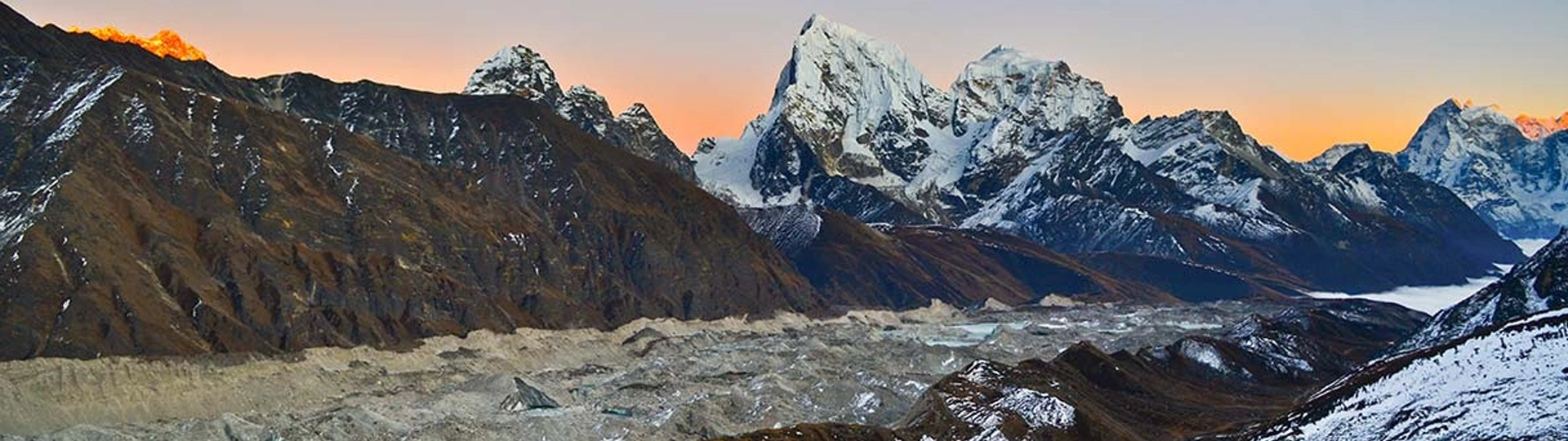
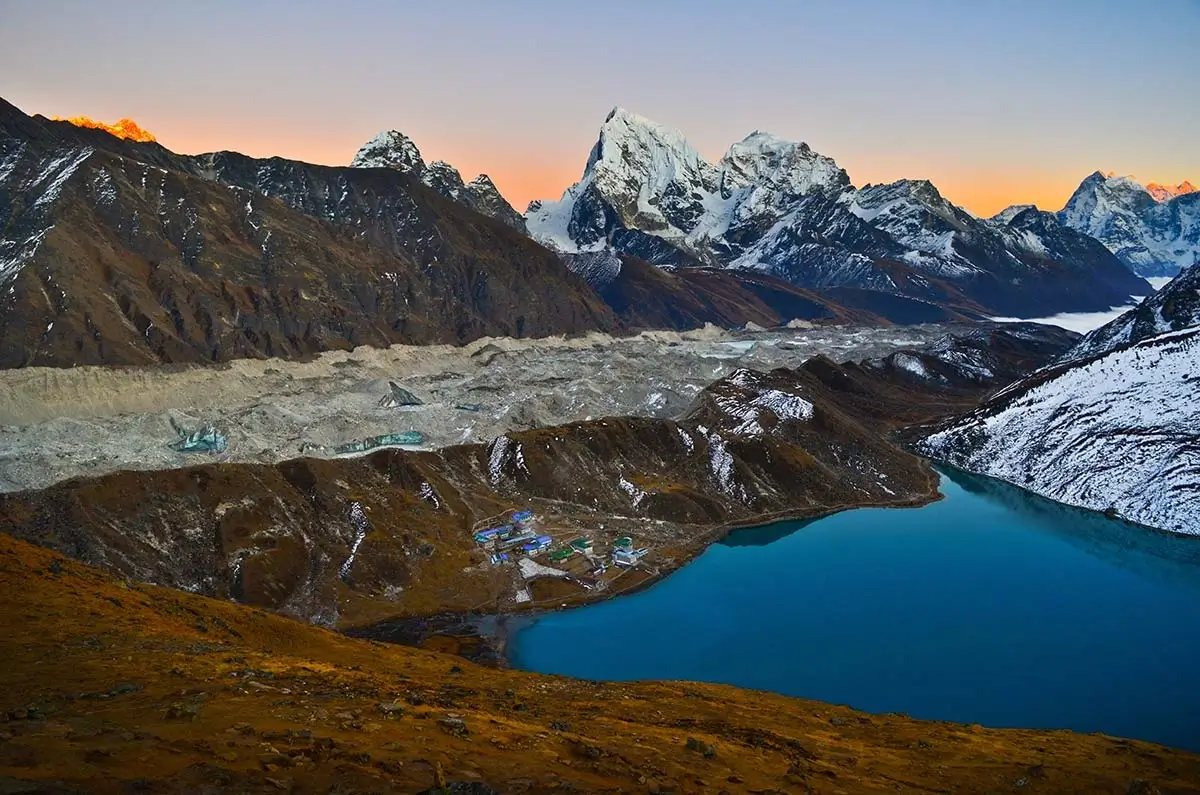
Official authorization documents, regulated by the Nepalese government to explore the magnificent valley of Gokyo, the Gokyo Lakes, and awe-inspiring panoramas from Gokyo Ri (5357 m), similar to scenery from Kalapatthar (5644 m), are considered the Gokyo Valley trekking permit. Since the trekking routes lie within a preserved area of Sagarmatha National Park, a UNESCO World Heritage Site, you need to obtain an entry permit to reach the destination through it, enjoying rare Himalayan wildlife and vegetation. Additionally, as it falls under the authority of Khumbu Pasang Lhamu Rural Municipality, you need to take a special permit to explore its trekking areas. This local administration manages community-based tourism and environmental protection.
Why Do You Need a Permit for Gokyo Valley?
The permits for any trekking route in Nepal are not only for collecting funds and rules. As you are paying for it, you need to know the major reasons for obtaining these permits for Gokyo Valley. These papers are to monitor tourism and regulate trekking activities in a systematic way in such wilderness of the Khumbu region and support the team of conservation areas while walking through forested trails within Sagarmatha National Park. Maintaining and cleaning Gokyo trekking trails and local amenities are also the reason for these permits.
While doing the process for these permits, the administration keeps all your records along with a detailed itinerary and other requirements. Accordingly, obtaining these paperworks is ensuring every trekker’s security, as the authority tracks you throughout the journey and sends a rescue team in case of critical circumstances. Do not attempt to skip these official permits, as you may be stopped at checkpoints such as Monjo or near Namche Bazar.
What Are the Gokyo Lakes Permit Requirements?
A strategic preparation also includes smart packing to trek to the Gokyo Valley. Although several trekkers do not have ideas of packing without missing must-have things, trekking guides help you for the perfect pack-up. Among several pieces of trekking equipment and essentials, permits must be on the Gokyo Valley checklists. However, do you know what things are required to obtain permit cards without any obstructions? Crucial requirements for the Gokyo Lakes permit are passport-size photos, a valid passport, a Nepal tourist visa, permit fees, and travel insurance (recommended for trekking in high-altitude mountainous landmarks).
Where to obtain a Gokyo Valley Trekking Permit?
To trek on trails to Gokyo Valley, you can take permits either at Kathmandu or after entering the Everest region based on timing and comfort. For these legal processes, trekkers usually prefer obtaining them at the Nepal Tourism Board office in Kathmandu in order to continue the journey on dream trek routes without any hassle. If you do not think that you must have all paperwork before high elevations, you can obtain a Khumbu Pasang Lhamu Rural Municipality permit at its counter near Lukla and a national park entry permit from the park counter in Monjo.
Most trekking agencies, including us (Green Society Adventure), arrange all required Gokyo Valley trekking permits through seasoned trekking guides with licenses and many years of experience. After completing the work, the handover to you will occur while you can explore Kathmandu’s historical places in a leisure period on the day before flying to Tenzing Hillary Airport, Lukla, without worrying about legal documents. Since guides' responsibility is not only helping in navigating trails, they ensure that all paperwork is properly handled along with other logistics such as accommodations and meals. All these are really helpful for novice trekkers.
Where are the checkpoints on the Gokyo Route?
You will find different checkpoints on the route to the Gokyo Valley while proceeding on the trip to inspect the obtained permit cards. At these spots, you have to verify a valid Sagarmatha National Park permit and the Khumbu Pasang Lhamu Rural Municipality entry permit. We will explain the major checkpoints below, although authorities do cross-check at any places during the odyssey in the Everest region.
Lukla
After flying for 30-35 minutes, you will land at the airport of Lukla, one of the world's highest airports, and you will head to Phakding according to the itinerary. As Everest region trekking usually begins here, you have to verify permits upon your arrival. Mainly, local authorities check the Pasang Lhamu Rural Municipality permit here. If you do not already have the necessary permits, you will be required to purchase them at the permit counter before continuing your trek.
Monjo
From Monjo, you enter into the areas of the Sagarmatha National Park, and permits are thoroughly verified here. The headquarters of the national park keeps records, including passport numbers and a comprehensive itinerary of the trek into the system. Monjo is a quaint settlement of Sherpa communities, situated to the north of Phakding, serving as an overnight stop before a steep climb, and quieter than Namche Bazar.
Namche Bazar
Namche Bazar is a bustling city on the Gokyo trails, also often considered a Sherpa town. You have to recheck trekkers’ permits, and authorities ensure that trekkers are accurately registered or not. Accordingly, the settlement is not only the most popular overnight stop in the Everest region but also the best acclimatizing point and a significant point to verify the Gokyo Lakes permit.
Note: If you cannot show valid documents to enter the trekking routes, you have to pay fines as a penalty, and the trip becomes delayed. Therefore, carry printed permits, a passport photocopy, and other essentials for not being denied further entry into the park.
How Much Is the Gokyo Trek Permit Cost 2026?
The Gokyo Valley trek cost and the permit fees depend on different factors. While the chosen itinerary, trek length, distance, time, services, accommodations, meals, porters, guides, and trekking agencies impact the entire cost, the nationality and season can vary the Gokyo trek permit cost. The permit expense for Nepali citizens differs from permits for foreign trekkers. In addition, trekkers from SAARC countries can get permits at a more affordable price.
There is no exact Gokyo Valley entry fee, as the charges frequently get updated annually. Therefore, you need to ensure this from the selected trekking company before venturing into the trek to avoid surprise expenses on the way. However, trekking permits are affordable enough that a general trekker can afford them.
What rules must trekkers follow on the Gokyo Valley Trek?
After getting permission to explore the Everest region, you cannot do anything as you want, especially activities that harm natural grandeur. Since the Gokyo Valley Trek route lies in protected areas, which are culturally and ecologically fragile, adventurers must be responsible after getting permits. Essential rules and regulations that trekkers must follow are as follows:
Respect unique cultures of locals
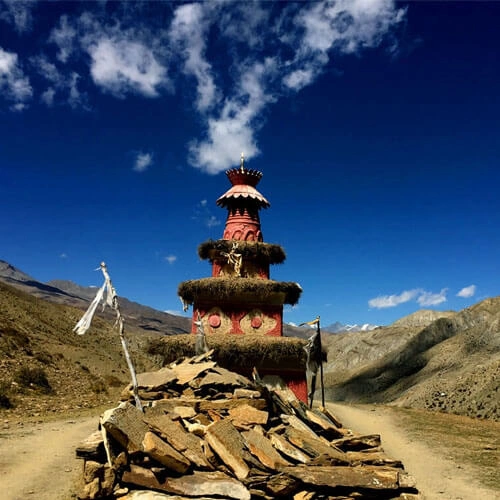
Villages on the Gokyo trails are usually dominated by Sherpa communities who follow Tibetan Buddhism, preserved for centuries. Very old monasteries and Gompas decorated with prayer flags, small chortens, and prayer wheels showcase how people living in such remote Himalayan alpine landmarks strongly believe in spiritual things and divine powers. They seem very delightful, living by following their own traditions and spending daily life by involving themselves in farming, harvesting, and serving tourists by running teahouses or assisting in climbing peaks.
Worldwide, Sherpas are famous for their mountaineering skills and bravery. They wear their own attire and follow traditional rituals. You should not misjudge them by their appearance and should ask permission before capturing them on your camera roll, respecting their privacy. Communicate with them through the help of your guide to know something about them and learn about their cultures. Although the guide that accompanies you teaches you to do activities, know that you should walk clockwise around many walls and Buddhist stupas. Respecting nuns, monks, and others in monasteries or other religious sites makes a strong bond with locals.
Follow Designated Trails
Ensure that the trekking guide is leading you through the marked trails instead of shortcuts, except in case of getting blocked on major trails due to reconstruction or natural disasters like avalanches or floods, to prevent soil erosion. As trekking companies, including ours, are based on sustainable development and tourism, consider that you are not harming plants on the route and sensitive areas, including farmlands, forests, ponds, and streams.
Avoid littering
There is a saying, “Where there is discipline, there is progress. Show your discipline at every step of the trek, and collect wasted things only in dustbins to protect the environment. We usually suggest you carry biodegradable things, including shampoo, soap, and toothpaste. However, you have to take non-biodegradable waste with you because even a single piece of plastic can produce problems in such an atmosphere that offers you fresh air. However, it is better to avoid plastic completely and use reusable bottles that can be refilled from time to time rather than mineral water in plastic bottles.
No Drone Flying Without Permit
Already mentioned that getting permits does not mean acquiring approval for every activity. Therefore, you need to take legal authority from administrations from Sagarmatha National Park and the Civil Aviation Authority of Nepal before flying a drone in such tourist areas. This is to prevent unexpected events, as several drone flights may conflict with local regulations, and even birds can fly at high altitudes.
Environmental Sensitivity
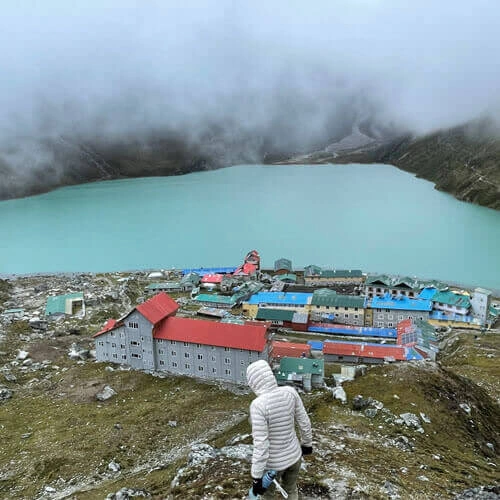
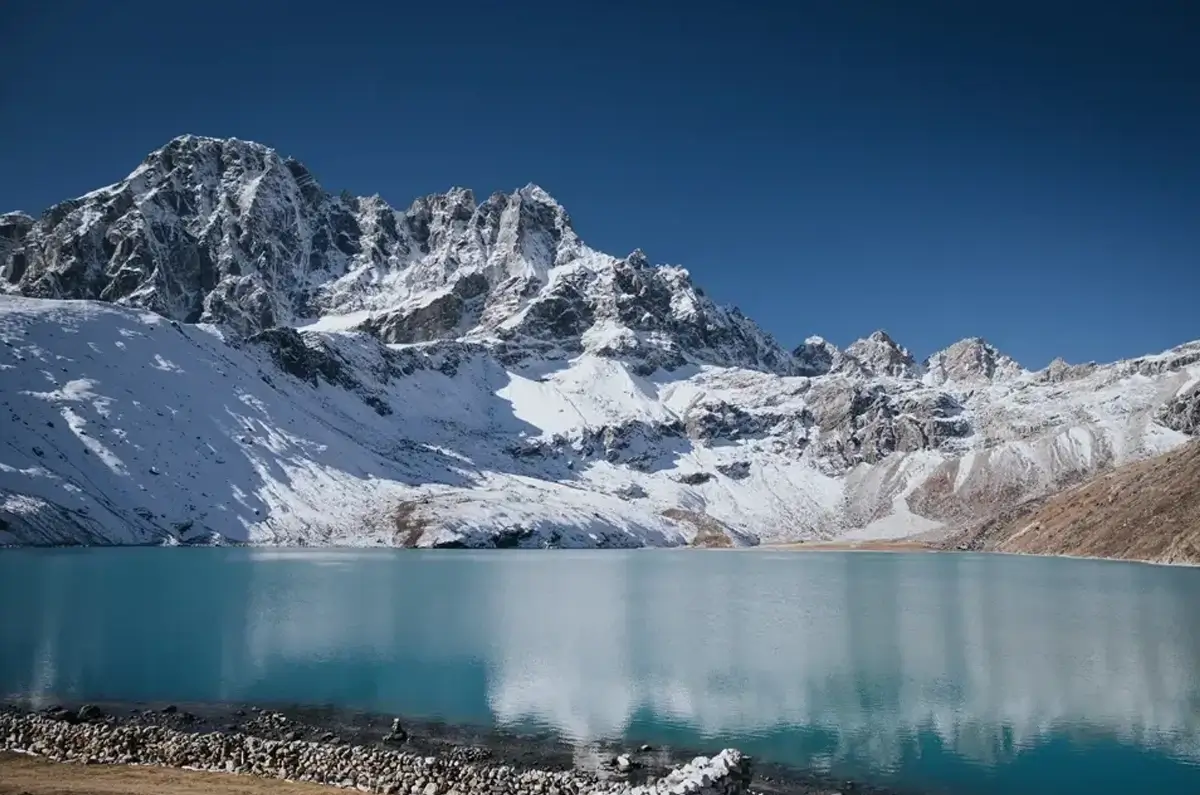
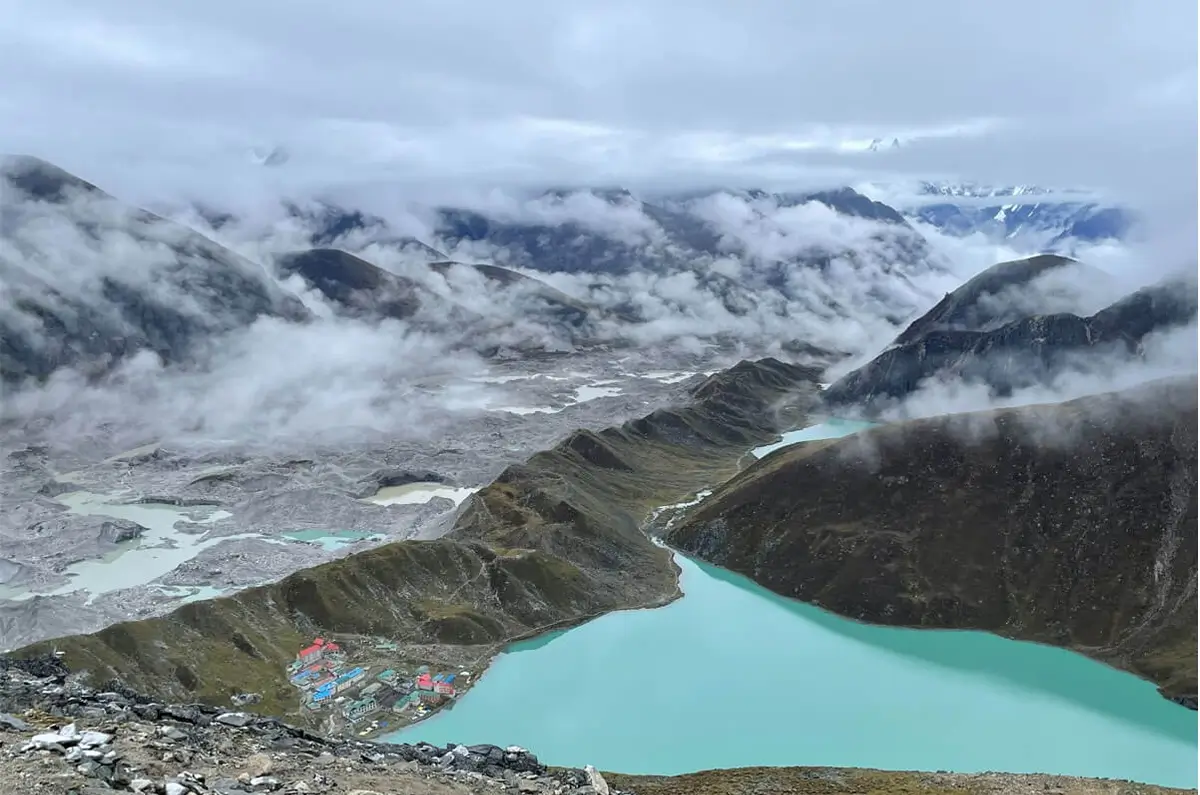
The atmosphere, encompassed by towering peaks, is sensitive due to several glacial lakes and alpine wetlands. The highlight of the trek is the breathtaking scenery of those blue lakes, including the third Gokyo Lake, Dudhpokhari, which is believed to be the residence of “Nagdevata" (snake deity) and revered by both Hindus and Buddhists. Especially, pilgrims visit here on the occasion of Janai Purnima. These lakes are not only culturally and religiously significant but also renowned as one of the planet’s highest freshwater lake systems. Accordingly, conserving these points, including vantage points, is crucial.
Protect Wildlife and Natural Heritage
From the extensive panoramas of Mt. Everest, Lhotse, Nuptse, Thamserku, Ama Dablam, and Cho Oyu, glimpses of rare wildlife captivate your heart. While enjoying the surreal charm of nature, do not disturb or harm animals and birds such as Snow leopard, Himalayan Tahr, musk deer, Himalayan monal, and eagle. Use binoculars and watch their activities in their natural hamlets, especially in the spring season when they get very active in moderate temperatures and pleasant weather. Do not throw stones or beat them with anything to avoid attack from them or making wounds on their bodies. Do not play music loudly in the name of enjoyment and produce unnecessary noise while traversing through jungle areas. Since damaging natural features and picking vegetation directly destroys the natural environment, be aware of it and avoid such things.
Is Gokyo Valley a Restricted Area of Nepal?
No, Gokyo Valley is not a restricted area like Kanchenjunga, Upper Dolpo, Upper Mustang, Manaslu, Tsum Valley, or Nar Phu Valley. Therefore, the Gokyo Valley entry fee is also more cost-effective compared to such restricted ones. However, remember that the trail lies in a protected zone inside Sagarmatha National Park, a World Heritage Site, and follow every rule instructed by the guides so as not to go against rules and regulations.
We have packages like the Tsum Valley Trek, Upper Mustang Trek, Manaslu Circuit Trek, Upper Dolpo Trek, and Kanchenjunga Circuit Trek if you like to explore more hidden gems of Nepal, including more secluded trekking areas and off-the-beaten-path trekking that offers untouched natural charms.
Can You Trek Gokyo Valley Without a Guide?
The Nepal government changes rules considering the circumstances. In previous years, trekkers could trek to any trekking areas independently after getting permits from the Nepal Tourism Board. However, such rules and regulations led to unsafe trips, and many trekkers lost their lives, and some got badly injured due to little knowledge about places and weather patterns. Although solo trekkers have a detailed map, a digital device for weather forecasts, a GPS tool, and an online map with live locations, it is difficult to navigate through dangerous areas, and the chance of getting lost is high in case of a major trail blockage, as trekkers are unfamiliar with places and cannot recognize safe alternative paths.
To sum up, trekking to the Gokyo Valley is not possible these days, and you must have a seasoned Nepal trekking guide that is licensed and registered with the Nepalese government. Only an experienced guide with sufficient training can handle all the situations, including cases of acute mountain sickness. A guide carries a first aid kit consisting of bandages, essential medicines like Diamox, and other important tools to provide primary treatment. Keeping updates about the trail conditions and availability of teahouses and meals from the guide descending from higher elevations ensures all trekkers’ safety and well-being. Therefore, hiring a guide and a porter is essential to enhance the entire journey, not only for arranging Gokyo Trek documentation.
Who needs a Gokyo Valley permit for foreigners?
All foreign trekkers must have permits to explore trekking areas of Nepal, including Gokyo Valley. We have different packages for the Gokyo Valley, and you can book it in a group or alone, as we arrange a suitable itinerary for you based on your preference. Do not hesitate to present your thoughts in front of us to make them as effective as you want. If you are from a foreign country, our seasoned guide helps you to have enjoyment to the fullest, allowing you to relish the charms of the Himalayas, handling every challenge.
Plan a trip to your dream trekking destination and make 2026/2027 unforgettable with our team. Our Gokyo Valley permits for foreigners are also affordable, making them more budget-friendly than venturing into other restricted areas. However, knowing factors affecting the Gokyo Trek Permit Cost 2026 helps you in estimating the entire cost and making an effective budget plan.
When should you arrange your Gokyo Trek documentation?
Preparing for the trip on time also includes arranging all official trekking papers one or two days before flying to the initial points to avoid stress. Observing different sources and inquiring to different trekking agencies as well as from related administration ensures the updated Gokyo Valley entry fees for 2026/2027. If you are planning to obtain permits from Lukla and Monjo, carry sufficient Nepali currency, as you will only get ATM service at Namche Bazar, and you may need money sometime in remote areas to purchase snacks or needed things. If you carry money only for obtaining permits, then sometimes you can have trouble with not having enough rupees to spend on such Himalayan landscapes.
Conclusions: Do You Really Need a Gokyo Valley Trekking Permit?
To sum up, the above-mentioned Gokyo Valley trekking permit to enter Khumbu Pasang Lhamu Rural Municipality and Sagarmatha National Park is compulsory and crucial to monitor systematic tourism and ensure trekkers’ safety. Obtaining such official paperwork guarantees safe, legal, and eco-friendly trekking in high-altitude Everest region trekking routes, which is one of Nepal's most emerging alpine trekking trails.
We hope that you have gotten deep insight into Gokyo Lakes permit requirements, fees, and updated costs for 2026. Everything provided in our blog will help you prepare in a strategic way and avoid unforeseen events on the route. While planning to trek to any of these beautiful destinations, prioritize permits first, which allows you to enjoy the turquoise lakes, snow-clad mountains, unique cultures, peaceful trails, and panoramic vistas from Gokyo Ri.
FAQs
Which season is ideal for trekking across the Gokyo Valley?
Although the Gokyo trip may be completed at any time of year, the best seasons to go are spring (March to May) and fall (September to October). The intense rains of the monsoon season and the bitter cold of the winter months can lead to health issues and unplanned mishaps.
As a result, we only suggest peak seasons when the route stays dry, the skies are clear, flowers bloom, and the temperature moderates. Selecting rainshadow regions like Upper Mustang, Upper Dolpo, or Nar Phu Valley is the ideal option if you are adventurous and interested in trekking during the off-season.
How challenging is the trek via Gokyo Valley?
The Gokyo Valley trek is regarded as a moderate adventure since it features comfortable teahouses, well-marked routes, a seamless schedule, and an average trek length that is suitable. When trekking above 2500 meters, you may experience high altitude symptoms including headache, nausea, trouble sleeping, exhaustion, lightheadedness, shortness of breath, appetite loss, etc. However, taking precautions and being mentally and physically prepared might help make the journey easier.
On the way to Gokyo Valley, what sort of food and lodging are provided?
Due to the restricted services of remote terrain, you will need to get used to basic teahouses on the trip to Gokyo Valley after departing Namche Bazaar. Cozy rooms with a twin bed, shared furniture, and only the most basic facilities will be available. Advanced amenities like hot showers, attached bathrooms, a fast internet connection, and contemporary dining areas are not to be expected.
Eat a shared lunch, usually "Dal Bhat," which is made up of salad, pickles, seasonal vegetables, and steamed rice. But you also get Tibetan and Western cuisine, such as Tibetan bread, chow mein, thukpa, fried rice, pasta, omelets, and pizza.
For the Gokyo trip, why should you need travel insurance?
In order to avoid financial strain in the event of an injury or the necessity for an emergency helicopter evacuation—which is exceedingly costly above 4000 meters—travel insurance is an essential document for the Gokyo trekking route. You don't need to worry about financial strain if you have the proper insurance that covers all hospital medical care, flight delays or cancellations, and loss or damage to personal property.
While trekking to Gokyo Valley, where do you keep your spare bags?
You can store it at a hotel in the capital, as most hotels have storage facilities, or leave it at our Green Society Adventure office while trekking to Gokyo Valley.