The combinedEverest Base Camp and Gokyo Lake trekhas become popular among thrill seekers due to its challenging but rewarding routes via Cho La Pass. Reaching the epic base of Mt. Everest (8848 m)—5364 m, Kalapatthar (5644 m), Gokyo Ri (5357 m), and other Everest viewpoints at one time is really an enlightening adventure. Nevertheless, seasoned trekkers having experience in high alpine landmarks can also complete trekking with adequate preparation.
From physical exercises to smart packing lists, trekkers’ readiness to tackle great heights, secluded areas with rugged paths, and inconsistent weather falls under the umbrella of enjoying prolonged trekking. Joining us means ensuring reliable logistics for any season, making your dream trip smooth, safer, and more cherished.
Read this latest blog in full, and then follow the EBC and Gokyo trek gear guide to avoid possible worse circumstances on the way to major destinations. Contact us for further information, as we are available 24/7 for your service.
Table of Contents
What Makes the Everest Base Camp and Gokyo Valley Trek Packing Lists Different?
This 17-day trek combines two iconic Everest trails (EBC and Gokyo Valley), which typically diverge from Dole, and requires a more comprehensive and well-planned equipment checklist than shorter treks. Knowing what to pack, how to pack strategically, why each item matters and the common mistakes to avoid will make your journey easier and smoother as you cross isolated valleys, high passes, glaciers, and some risky zones (landslide or avalanche-prone areas). For this strenuous Everest trekking route, you need to pack lightweight yet warm, minimal yet complete, and practical essentials for changing alpine climates.
While trekkers may carry extra items on shorter, week-long hikes, this lengthy Everest journey requires you to avoid unnecessary gear and pack wisely. Compared to moderate treks like the Mardi Himal Trek, Langtang Valley Trek, and Everest View Trek, this combined route is far more demanding. Carrying heavy loads will only slow you down and make the trek more exhausting.
Trekking gear for Everest Base Camp and Gokyo Lake trek
Why is following a proper Everest Base Camp packing checklist so important?
After a mesmerizing flight to Lukla (2860 m), a continuous hike takes you above 5000 m frequently. As the risk of acute mountain sickness is above 2500 m, more caution is needed for Everest Base Camp and Gokyo Lake from the start. A guide will be with you, but carrying every single thing needed to face challenges is more than convenience. Be ready to struggle in harsh cold and tougher conditions without appropriate clothing layers and crucial gear, as you rarely find health posts and markets once leaving Namche Bazar.
Packing wisely and thoughtfully helps in preventing health problems, sleeping well even in simple teahouses, and lessening fatigue during a day's hike on narrow, steep trails with several ascents and descents. While purchasing or taking essentials on rent of low quality may lead to injuries and discomfort. Accordingly, follow a well-designed Everest trekking gearlist to guarantee a secure journey.
What should you know about backpack and storage systems?
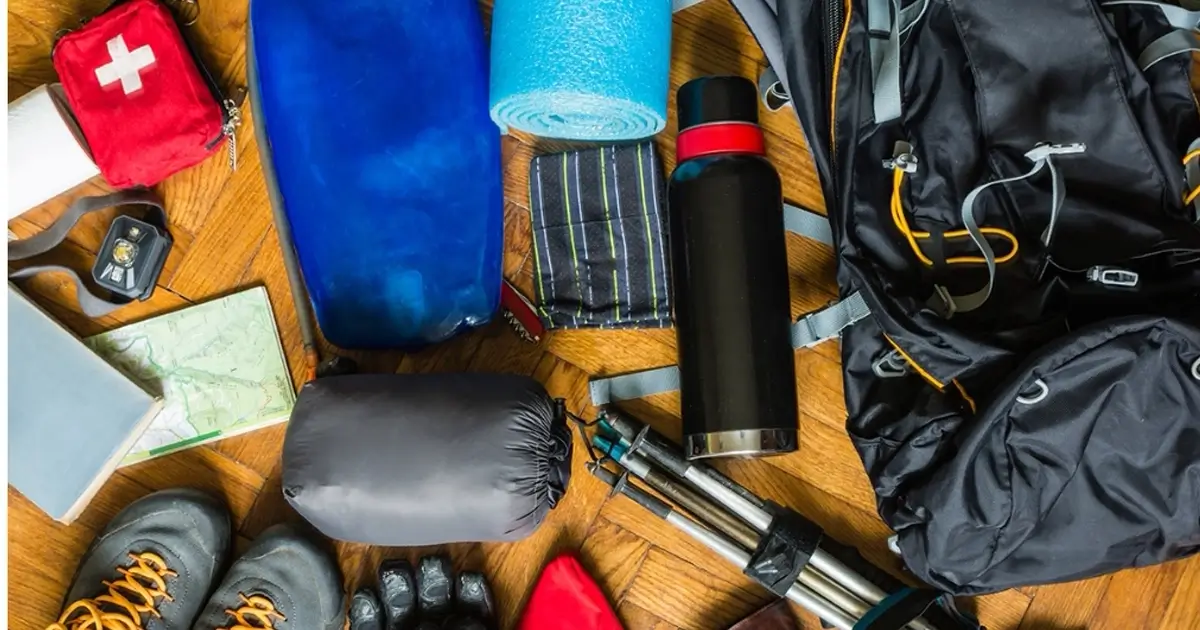
Trekkers often face a dilemma finalizing the trekking gear for Everest Base Camp and Gokyo Lake trek, with a fear of packing an unnecessary one instead of the right one for a higher landmark. As mentioned above, for the tough terrain of Everest, you should focus on trustworthy and practical gear that is lightweight but compact and weather-resistant. Carry a well-fitted backpack of around 30-40 liters, having space for extra layers, a water bottle, personal belongings, and other essentials.
A proper gear organization system depends on a well-designed backpack and reduces physical strain as well as helps in comfortable walks throughout the prolonged trip. Although a porter carries a heavy load on any kind of trail, up to 15 to 20 kg, taking a duffle bag to keep basic daily items can support the porter and also make it easier for you to use them when needed. As you need to carry official documents, including the Khumbu Pasang Lhamu Rural Municipality permit and the Sagarmatha National Park entry permit; ensure that you have selected dry bags or packing cubes.
A trekker, carrying a duffle bag during EBC and Gokyo lake trek
Such bags save your personal belongings from moisture and keep them organized, especially in highlands with unpredictable climates, which can bring strong storms, heavy rains, or heavy snow in no time. Remember that the best backpack for an Everest trek is a key aspect of its checklists. You should feel comfortable on your shoulders while carrying the backpack. Ensure that your backpack is breathable and can be carried in a well-balanced way. Do not compromise on spending money on a good-quality backpack. If you want to continue your journey without sweating too much. Ensure that the back distributes the load equally, minimizing exhaustion, making your trekking experience smoother and more enjoyable.
What clothing system works best in the Himalayas?
During Himalayan trips, including the 17-day Everest Base Camp and Gokyo Lake trek, the right clothing system is key to a successful journey without facing critical health issues. Wearing clothes and comprehending rapidly changing temperatures throughout the day, trekkers can easily adjust to the environment.
While the base layer keeps your body dry, the mid-layer sustains warmth, and the outer layer protects you from chilly wind, snow, and rain. As a result, this system enhances both comfort and practicality throughout the trek. Must-remember is that each layer should be of lightweight yet premium quality, like all Everest trekking gear.
How cold does it get in Gokyo and Everest Base Camp?
When spending nights at magnificent high settlements or trekking areas such as Dingboche, Thukla, Lobuche, Gorakshep, Everest Base Camp, Kalapatthar, Dzongla, Thagna, and Gokyo Ri, you really find it very cold during any season. As a result, extra sleeping bags are also required, although teahouses provided adequate blankets to provide yourself heat and not feel harsh.
The risk of frostbite, dehydration, cold exhaustion, hypothermia, and altitude sickness is higher in cold environments. To avoid such issues, wear proper layered clothes like a windproof/waterproof jacket, a merino wool sweater, down/insulated jackets, softshell trekking pants (base and outer), and fleece-lined pants. In addition, wearing gloves is also non-negotiable to keep yourself warmer and safer throughout the entire odyssey.
Note:
Monsoon Season: The temperature is expected to be 25°C to -5°C during monsoon season, pretty much warm.
Winter Season (December to February): The temperature is expected to be 20°C to -20°C during the winter season, and the view of the mountains is spectacular.
Spring (March to May): Daytime temperatures range from around 5°C to 10°C, while nights can drop to -5°C to -10°C.
Autumn (September to November): Daytime temperatures are usually between 5°C and 12°C, but nights can fall to -10°C to -15°C or even lower at higher points.
Trekking gears for Everest treks
What footwear can make or break your Everest trek?
Within 14 days, you need to cover approximately 130 to 135 kilometers while on the combined Everest Base Camp and Gokyo Lake trek. Have you ever thought about how bad you would go through it if you got problems in your feet? You know that it’s a common issue on most treks, whether it’s the Annapurna or Everest region trail. Nevertheless, wearing comfortable footwear, considering its quality, can really help in skipping most problems.
Select high-quality trekking boots, which will be durable and well broken in, along with proper ankle support. Ensuring they have a good grip and are insulated, breathable, and well-fitted is crucial to keep your steps forward on icy and muddy terrain. When you thoughtfully choose boots, you can keep your feet warm in sub-zero temperatures, reducing moisture, blisters, and foot pain throughout the hike.
Before venturing on the journey, we recommend you break in your boots to avoid blisters and ensure maximum comfort during the trek. Along with it, use thick, insulated socks (wool, thermal, or synthetic blend). Also add pairs of slippers to the Everest trekking checklist 2026 to use while staying at teahouses or wandering around villages.
What are the most overlooked Gokyo Lakes Trek packing essentials?
Most trekking agencies care about whether trekkers carry each single essential or not due to safety matters. However, trekkers may forget some small but indispensable things while focusing on physical and mental preparation or overexcitement of exploring their dream trekking destination. Below are essentials, often ignored but having a vital role.
Sunglasses
Sunglasses protect your eyes from strong UV rays in high-elevation landmarks (especially above 5000 m), as UV exposure is significantly stronger and might damage your eyes. In addition, not only for proper visibility on snowy terrain but also for preventing snow-blindness due to reflection from snow, which can cause painful eye conditions, you need to wear premium-quality UV-protected sunglasses. Walk confidently during winds blowing, as glasses protect your eyes from dust, which makes your eyes dry.
Lip balm and Buff
As previously mentioned frequently, chilly winds cause issues, including dry skin and lips. Carry lip balm along with lotion and moisturizer cream. Wearing a buff will protect you from the cold, as covering your neck and face with it reduces heat loss. Correspondingly, it is useful on dry, windy paths as well as appropriate for saving your skin from UV rays. We also suggest you wear it while sleeping at the teahouse to improve comfort. Hence, these kinds of Gokyo Lakes trek packing essentials can significantly improve comfort.
What health and safety items should you never skip?
As you ascend to higher terrain on Everest, you need to be careful and use safety items for well-being. Since health posts are fewer and provide limited facilities, ensure that the Everest Base Camp and Gokyo Valley trek packing list has a well-equipped first aid kit. The medical box must have acute sickness-related medicine (Diamox), bandages, blister care, painkiller tablets, and personal medications to prevent health problems at high altitude.
In a similar vein, carry insect repellent, as mosquitoes and other insects may bite you in areas such as Lukla, Phakding, and Namche Bazar, especially during warmer months. While using repellent, you can prevent insect bites and the risk of infections or rashes on skin. Keeping your body hydrated is another important act on the trek, which helps you to avoid experiencing high altitude sickness and maintain stamina.
Using repellent helps prevent insect bites, skin irritation, and the risk of infections. It also ensures a more comfortable trekking experience, allowing you to rest properly without disturbance in teahouses or camps. Along with water, have electrolytes that play a key role in preventing muscle cramps and keeping you stable while walking by supporting nerve function, as you lose lots of fluids and salts through sweat and breathing.
Why is altitude awareness important on the Everest trek?
Altitude sickness usually takes place when you reach above 2500 m above sea level, showing its symptoms on your body due to lower levels of oxygen. As there is a saying, “Prevention is better than cure," remember that you should walk gradually, following the guide's instruction instead of rushing to reach the destination earlier. Listening to your body and descending to a lower elevation is important to avoid critical issues. As a result, comprehending ideas of prevention of altitude sickness is important as a guide for the Everest Base Camp packing checklist.
Symptoms: Headache, sleeping difficulty, dizziness, nausea, loss of appetite, fatigue or weakness, vomiting, swelling of body parts, shortness of breathe, etc.
How to Pack Smart Instead of Packing More?
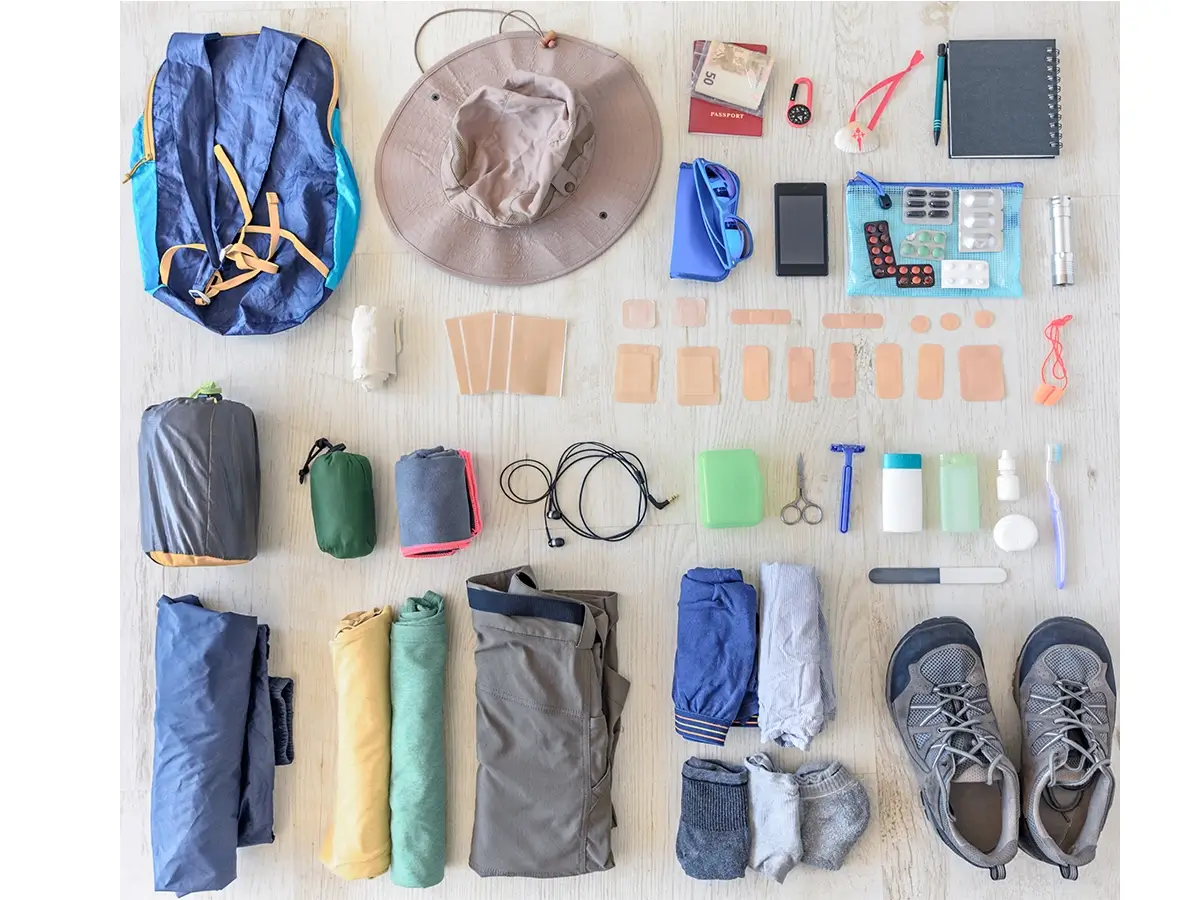
Wise packing for the Everest region trekking is a primary aspect, as either an overloaded backpack including unnecessary items or light packing by missing crucial equipment is non-negotiable. Consulting with your guys and researching about the right packing list, pack lighter without missing any single essential for comfortable walking. If you are on a budget for trekking, you can rent gear in good condition and of high quality.
Prepare lists of clothing, essentials, and emergency gear, and keep them in a backpack with proper arrangement. Balancing the body on uneven landscape with steep ascents and fast technical descents is crucial. As a result, carry only what you really need.
What extra items can improve your trek experience in the Everest region?
Some extra items, such as a power bank, solar charger, head torch, snacks, smartphone, camera, diary, journal, comics, storybook, hand sanitizer, and wet wipes, are not mandatory but can enhance your experience. In remote areas, especially nearby Everest Base Camp, a power bank or solar charger is useful to keep your electronic/digital device on when the electricity is limited and often costs a lot. For longer trekking days, a head torch is really significant to begin the journey early in the morning before sunrise and proceed even if it gets dark.
Markets and shops are fewer along the Everest trekking route, requiring you to carry extra nutritious snacks like dry fruits, dry nuts, chocolate, energy bars, energy drinks, beaten rice, cookies, biscuits, and instant noodles to keep you energized during long hikes. A healthy body needs a sound mindset to cross high passes and risky territories. To keep yourself optimistic towards a challenging journey, carry novels, stories, diaries, journals, and games.
Experiencing a great moment in a dramatic background is unforgettable. Capturing the surreal charm of nature on your camera roll or smartphone becomes more meaningful as they remind you of all the struggles and thrilling events with your fellow trekkers. Trekkers interested in birding can seize unique activities of birds in their natural habitats. Your body throws too much sweat while walking, and you often get dusty on rough terrain.
Carrying biodegradable soap, tissue paper, and hand sanitizer will help you to keep yourself clean, especially in areas with limited water sources. These look like small things, but they are really helpful to make this 17-day journey comfortable and more convenient.
Conclusion: Pack Smart, Trek Better
In conclusion, skipping the guide regarding the Everest Base Camp and Gokyo Valley trek packing list is neglecting safety. As a result, pack strategically to make the journey successful and comfortable while trekking on mountainous landmarks spanning from 2860 m to 5644 m.
We hope our comprehensive EBC and Gokyo trek gear guide really helps in your upcoming Everest trek, which has focused on the right trekking gear for the Everest Base Camp and Gokyo Lake trek. Confidently plan for these destinations with proper preparation, and do not repeat common mistakes done by other trekkers.
Raj Kumar Khadka
Raj Kumar was born and raised in the mountain town of Gorkha. He is an enthusiastic traveler who enjoys discovering new places. His passion for exploration knows no bounds, driving him to seek out new trails and experiences. He has successfully traveled and explored most of the trekking routes in Nepal, mastering their intricacies.
Raj Kumar started his career as a guide at the end of the year 2006. His dedication to this field has been unwavering, surpassing 17 years and counting. He established his own company, Green Society Adventure, in 2013, fueled by his expertise and entrepreneurial spirit. He has a vision to share the beauty of Nepal’s landscapes and cultures to the world. As both a guide and a leader, he inspires people to explore the world with curiosity and respect.