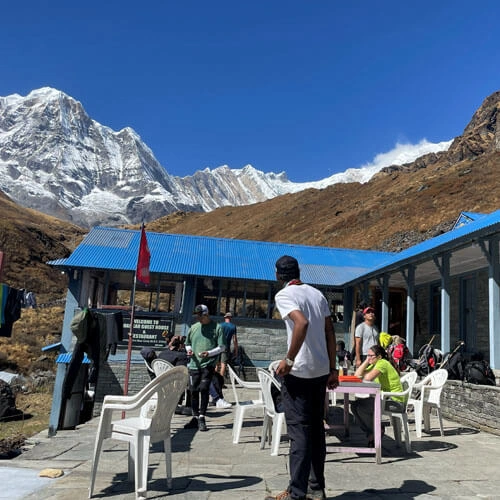
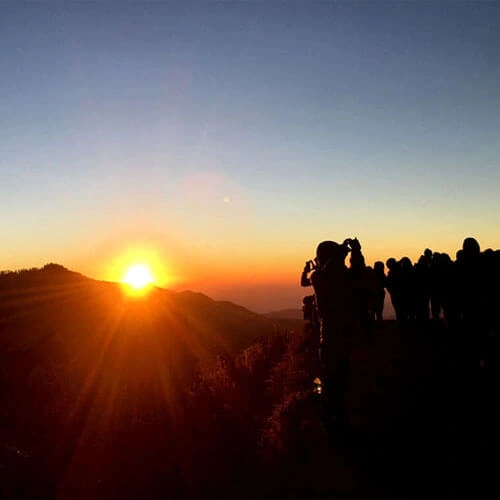
The Gokyo Valley trekkingis itself a wonderful trekking route, not requiring only glimpses of peak seasons to become an alternative to Everest Base Campin the Khumbu region. However, timing is crucial to complete a trek, avoiding several challenges and enjoying the surreal charm of nature without obstruction. Highlights of the odyssey, such as exploration of turquoise, sacred lakes of Gokyo, remarkable vistas of the Himalayas, and sunrise or sunset views from Gokyo Ri, really become iconic during the optimal period along with peaceful trails.
Like other aspects such as the trekking duration, hiking length, services, and equipment that impact the entire trip, selecting the best time for the Gokyo Valley Trek can elevate the entire Himalayan experience. The season determines the crowds on the route, weather, temperature, trail condition, and visibility of the trail or scenery.
Our latest blog regarding the time to trek to Gokyo Lake will guide you in selecting the most optimal period. Bookings are open for all regions. Hurry up for dream treks, as spring is here.
Table of Contents
What is the best time for the Gokyo Valley Trek?
With a strategic schedule, proper caution, and appropriate equipment, following a seasonal guide, a trek to the Gokyo Valley can be year-round. Nevertheless, spring (March to May) and autumn (September to November) are generally considered the best months to embark on the Gokyo Ri trek. Every season of a year has different characteristics, providing distinct experiences. These seasons are more extraordinary due to safer trail conditions, comfortable temperatures, vivid vistas of scenes, and stable weather compared to off-seasons.
Therefore, both seasons are called peak trekking seasons in the Everest region, and most climbers make an effort to reach the summit of Mt. Everest or other surrounding peaks. Photographers and nature lovers can take significance, capturing the dramatic scenery on camera rolls or spending valuable periods in the wilderness of the high-altitude mountainous landmarks.
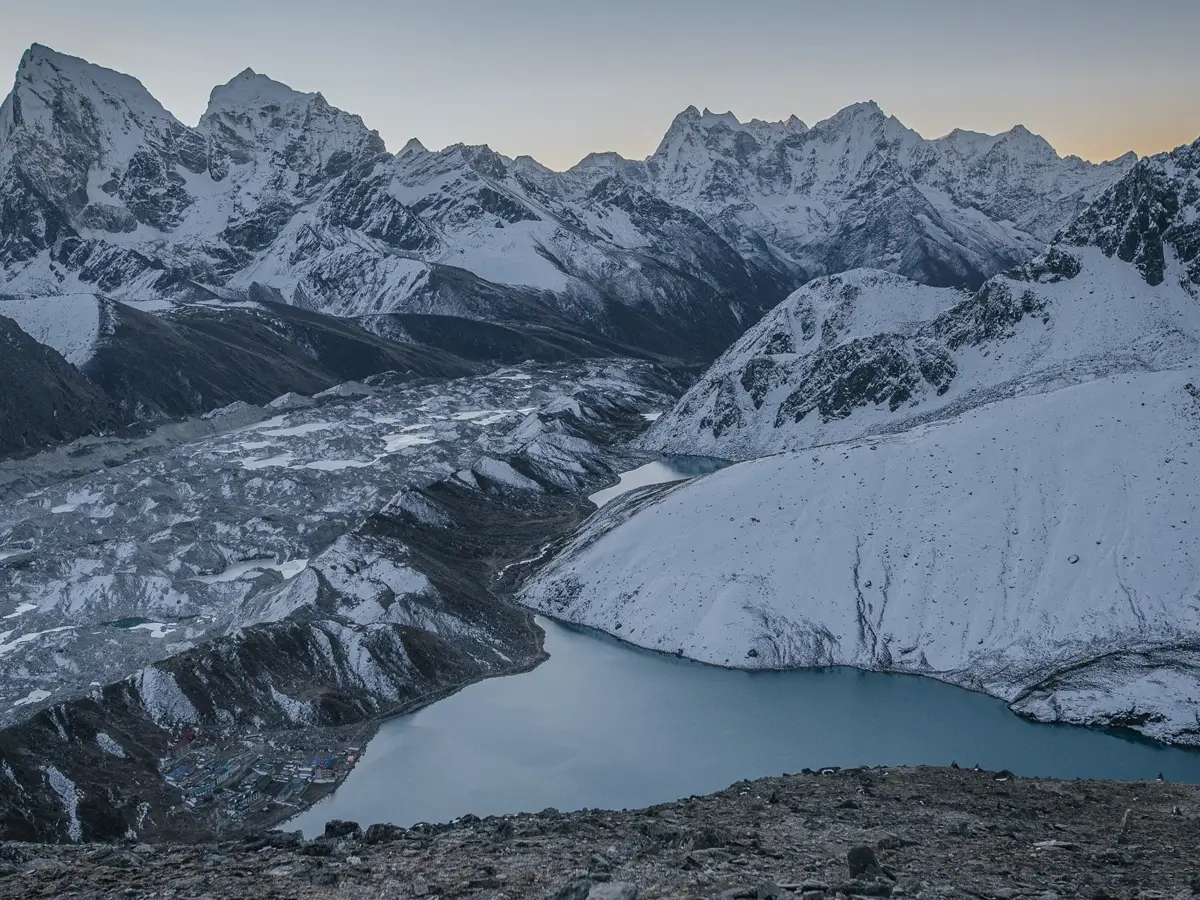
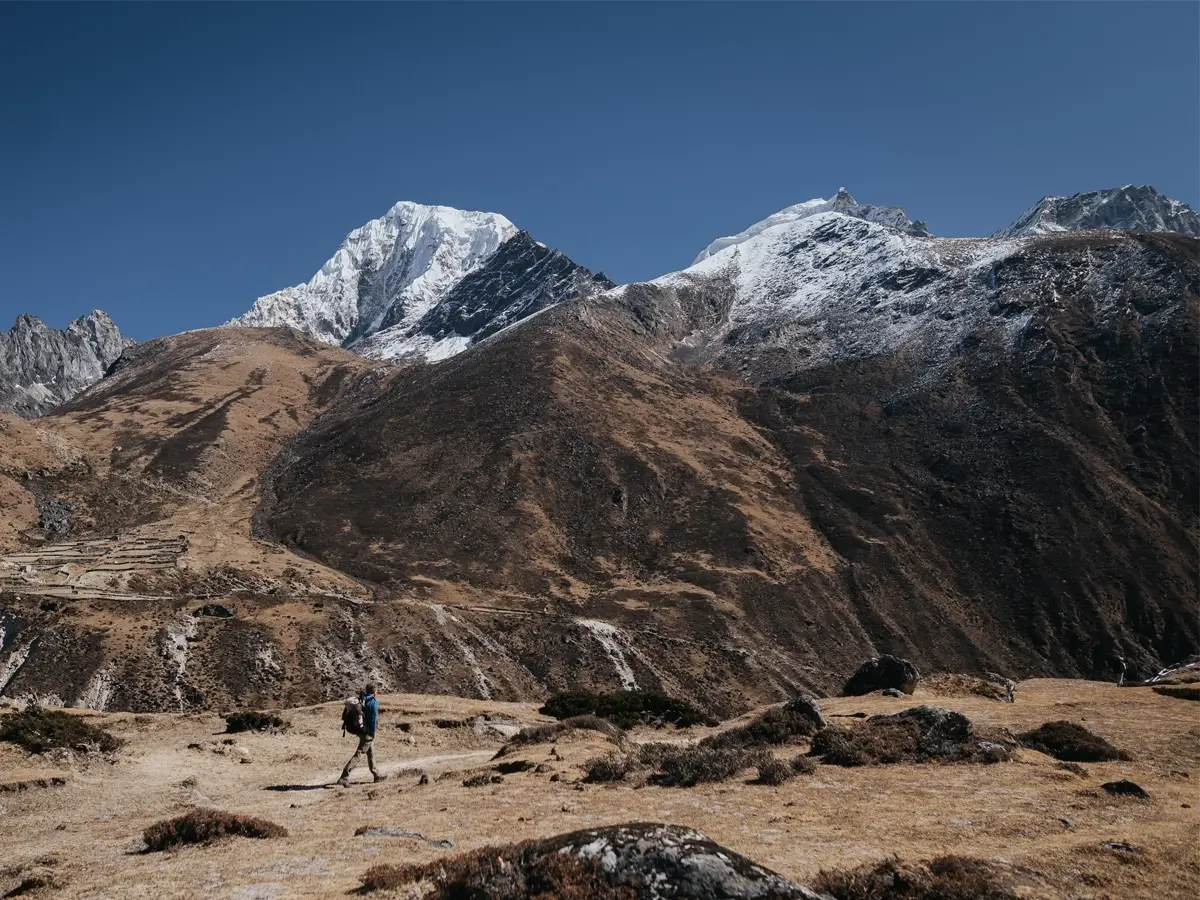
Gorgeous view from Gokyo Ri (5357 m) during the Gokyo Valley trekking
Why Is Spring an Ideal Season for the Gokyo Lake Trek?
The spring season spans from the month of March to May, providing a more appropriate atmosphere to trek after the harsh cold of winter. Gradually, the temperature rises, giving you warmth to walk comfortably with glimpses of towering mountains that dominate the clear blue skies. Blooming wildflowers, their fragrance, fresh greenery, and the rustling trees of this ideal period add to the beauty of the trail. The chance of spotting rare animals such as musk deer, Himalayan tahr, snow leopards, and others is high due to pleasant weather while traversing Sagarmatha National Park, a UNESCO World Natural Heritage Site.
As we depend on sustainable tourism, do not harm any living beings or natural grandeur during the trek. Observe activities of such creatures, including birds in the woodlands filled with rhododendrons, birches, oaks, and maples, by using binoculars. Do not produce noise or play music at loud volumes, making them terrified or disturbing them in their natural habitat.
What is the weather like in Gokyo Valley during spring?
Since spring is the season after winter, trekkers feel it effortless to begin their journey early in the morning due to the gentle warmth. Caution is a key to completing the odyssey, as sometimes the climate changes in no time, bringing heavy rains, snowfalls, or harsh storms in alpine areas. Generally, the daytime temperature of the Gokyo trail is moderate, rising from 5°C to 15°C, while the climate may drop up to -5°C to -10°C at nighttime.
Leaving Lukla behind, trekkers start enjoying occasional views of mountains and magnificent scenes of the Himalayas along with uninterrupted, extensive panoramas of Mt. Everest, the tallest mountain on our Earth, Mt. Amadablam, Lhotse, Nuptse, and Thamserku.
Why do trekkers love the Gokyo Trek in the spring season?
Reasons why hikers prefer the spring season to trek to Gokyo Valley are the stable weather pattern, unobstructed vistas of the Himalayas, and perfect hiking conditions. Trekkers do not have to suffer through problems caused by natural disasters such as floods, avalanches, and landslides during spring, and the trek proceeds smoothly according to the itinerary. The route becomes crowded and busy, but the atmosphere of different vantage points allows you to enjoy natural charms.
While blooming flowers decorate the landscapes, festivals such as Holi, Ghode Jatra, Nepali New Year, Bisket Jatra, and Buddha Jayanti add more value to this ideal period. You can get involved in festive activities and know the cultural heritages of the Himalayas closely while visiting Gokyo Valley during springtime.
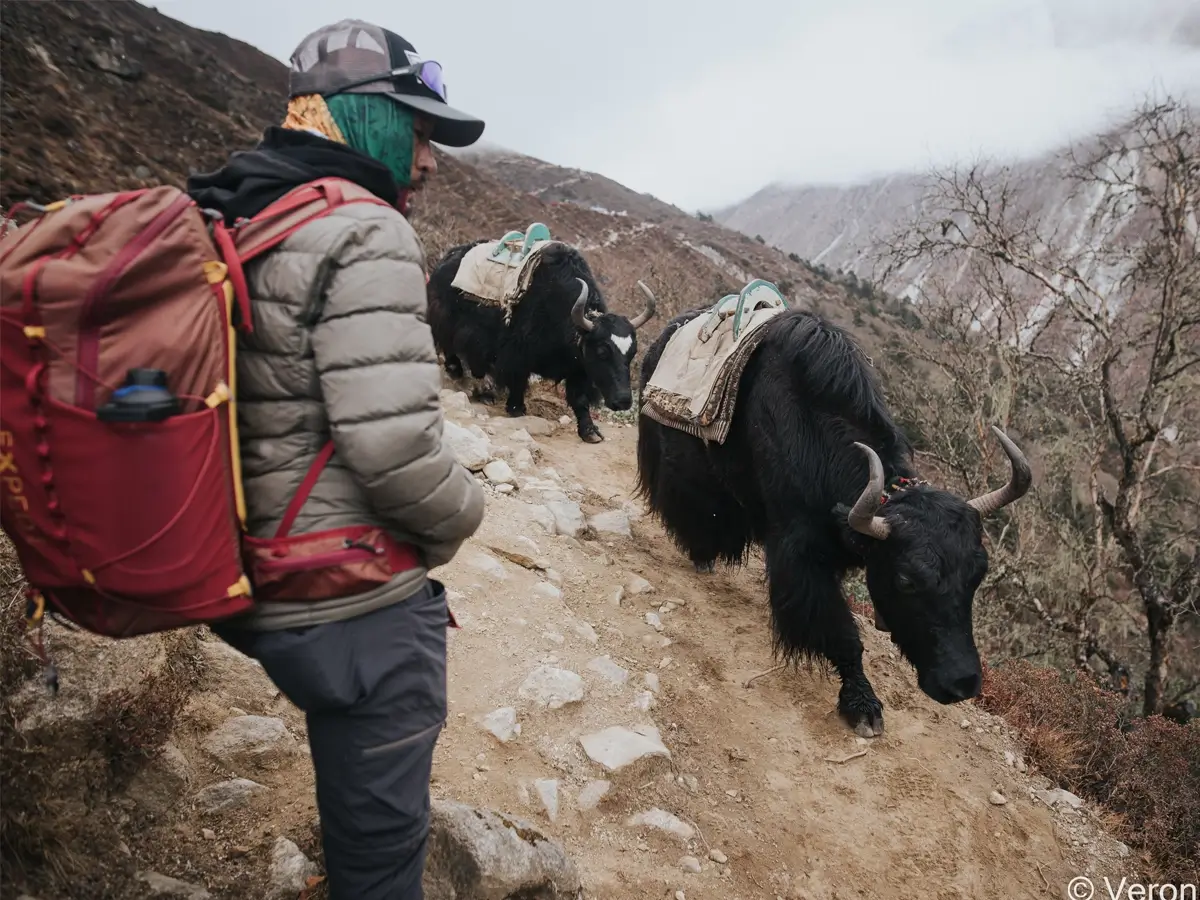
Spotting yaks on the Gokyo route
Is autumn the peak trekking season in the Everest region?
Yes, autumn is generally considered a peak trekking season in the Everest region, as it starts in the month of September as monsoon season ends. Cooler air, crystal-clear blue skies, and spectacular mountain scenery show the best characteristics of this period, which captivate adventurers the most. A fresh environment after the dust clearance by monsoon rain and several national festivals that fall during the months of autumn add significance to trekking during this period.
Trekkers can walk confidently on dry and stable trails of the Gokyo route, enjoying pleasant weather along with glimpses of rare animals. While in Kathmandu and mountain villages, observe/participate in festive celebrations as national occasions, including Dashain, Tihar, and Chhath, occur during this optimal time. Due to all these reasons, trekkers and climbers love this season for adventure.
Gokyo Trek in spring vs. autumn: Which season is better?
While choosing the season, trekkers are always in a dilemma about whether the Gokyo trek in spring vs. autumn provides a more enjoyable experience. Both are ideal trekking seasons, but choose the best one, comparing them based on different factors.
Spring vs. autumn comparison
Factior
Spring
Autumn
Weather
Mild and warming
Stable and clear
Mountain views
Excellent
Exceptional
Crowds
Moderate
High
Landscape
Blooming flowers
Clear alpine scenery
Temperature
Slightly warmer
Cooler mornings
It’s on you to select the best time for the Gokyo Valley Trek based on your individual preference, as both are appropriate to trek to the destination, but only some characteristics are unique.
Can you trek Gokyo Valley in winter?
Yes, it is possible to trek to the Gokyo Valley during the winter season with proper preparation and essential equipment. Tackling the challenges of harsh cold and poor visibility, some risk-takers love trekking during this time to enjoy snow and skating on the frozen water of Gokyo lakes. While embarking on the Gokyo trek during winter, the most important thing to consider is safety, as trekkers’ carelessness leads to serious health issues.
In a cold environment, the possibility of suffering from acute mountain sickness is higher. Accordingly, listen to your body and notify the guide when you feel symptoms of altitude sickness, as the experienced guide with a first aid kit helps you to get relief. If you have a primary treatment on time, you do not need emergency evacuation and can continue the trip again.
Except for cloudy times in the winter, the scenery of mountains is vibrant, allowing you to savor their beauty to the fullest. Mountain lovers that love seeing snow-clad peaks and playing with snow can trek to the Gokyo Valley confidently with a strategically planned itinerary.
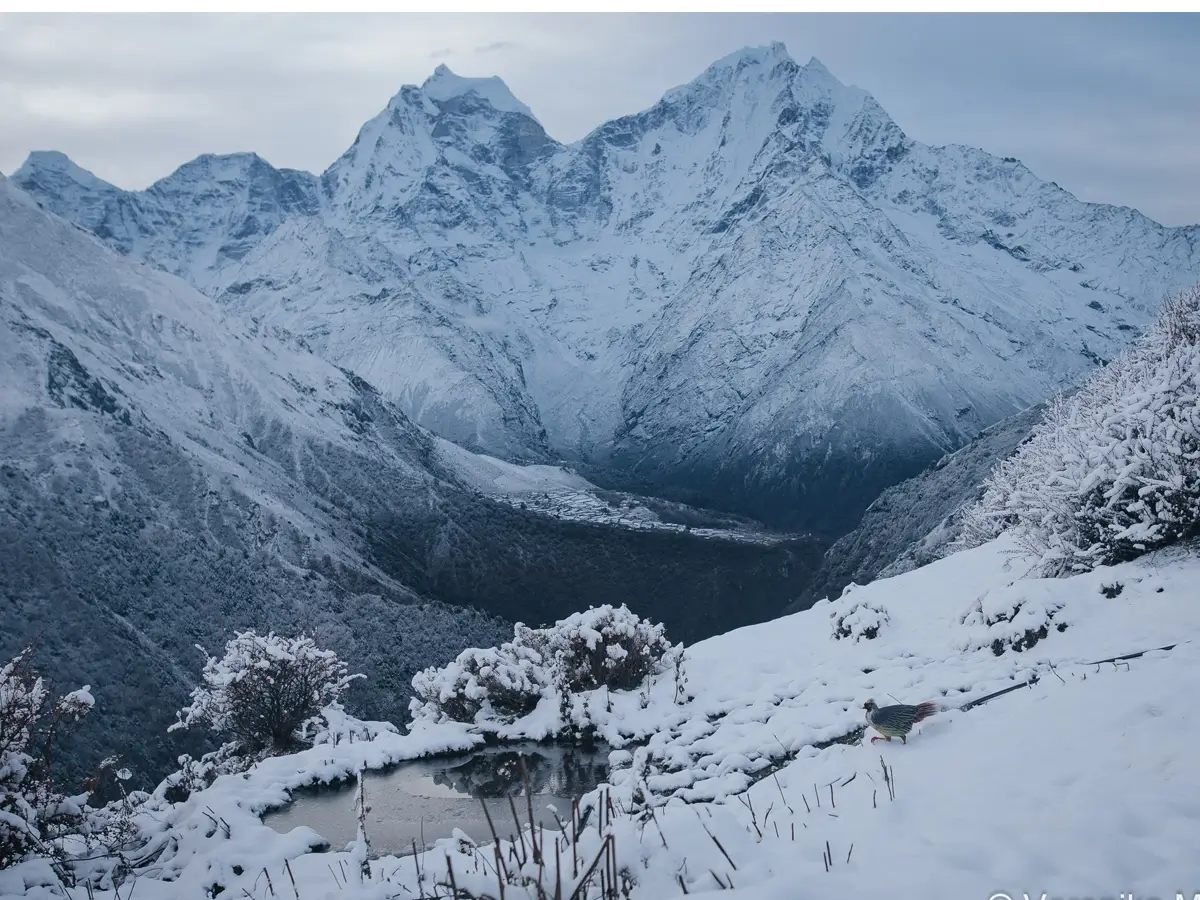
Breathtaking vistas of Mt. Thamserku
How to tackle the challenges of winter trekking?
During winter, most teahouse owners and locals descend to lower settlements to be safe from severe cold. Limited accommodation may provide comfortable rooms, but you should carry a lightweight sleeping bag for extra warmth, as it is really challenging to spend a night with freezing temperatures at high elevations. Snowy or icy trails can cause unforeseen incidents, which may result in injuries that require instant rescue and ruin the entire trip without reaching the major destination. To prevent such risk, keep ice axes, crampons, microspikes, and snowshoes, along with a head torch, in your packing list to navigate the trail confidently.
Heavy snowfalls lead to avalanches and sometimes make the major trail blocked and sometimes create a condition to return to Kathmandu or choose a more demanding, alternative path. Keep a detailed map, direction gadgets, and GPS tools together with digital tools for right navigation. During Gokyo trekking, freezing temperatures might impact your health. Therefore, carry needed clothing layers (base, mid, and outer) to stay healthy and well.
Since trails are quieter during the winter, you have a broad space to explore on the Gokyo route and trekking areas without disturbance. The vistas of the Himalayas and unique cultural activities of the Gokyo Valley in the winter are highlights that can give you better experiences.
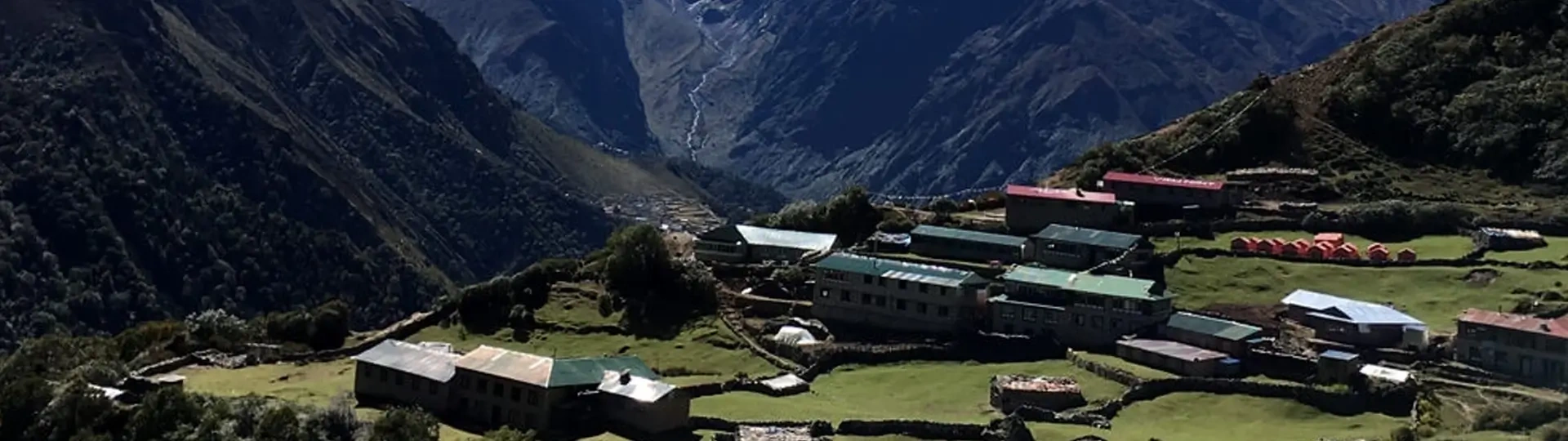
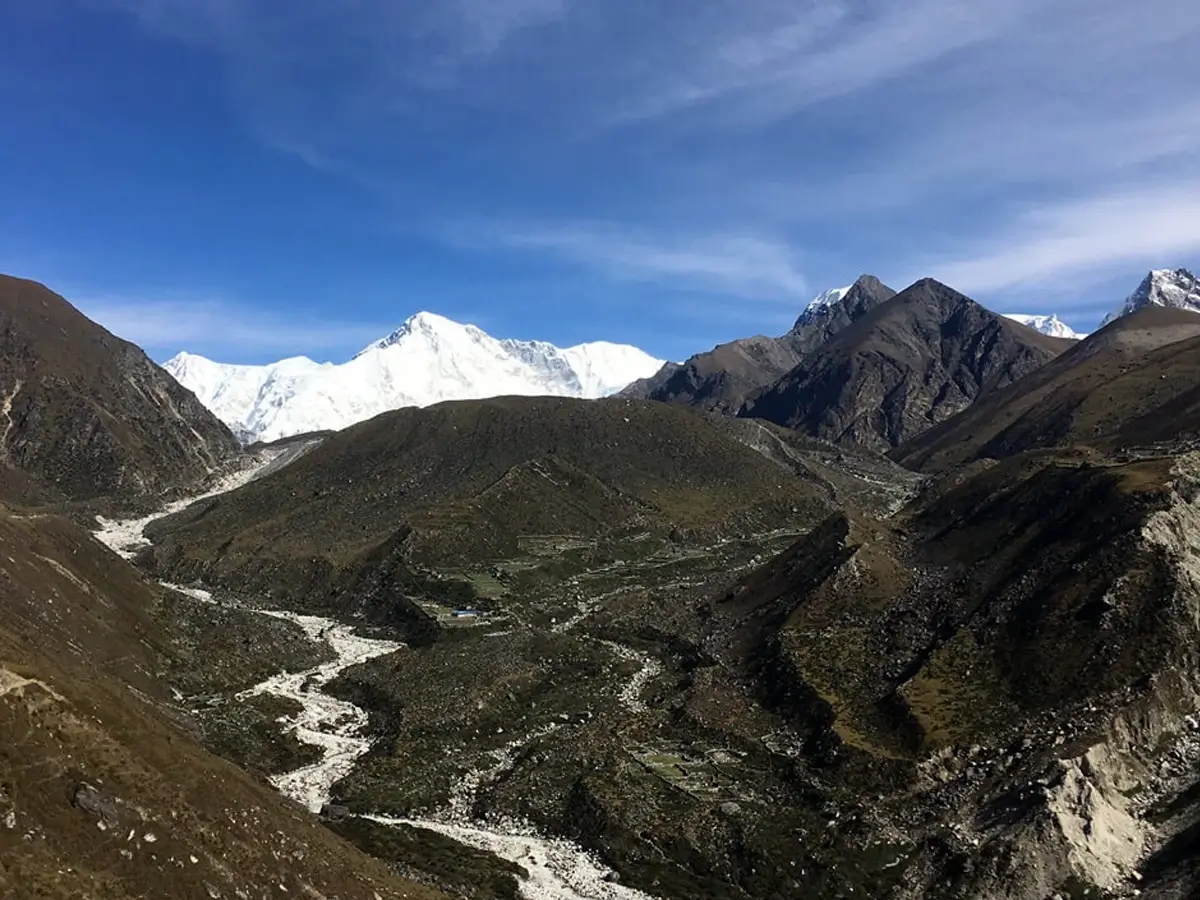
On the way to Gokyo Valley
Is the monsoon season good for the Gokyo Valley Trek?
The lush woodlands of monsoon season, refreshing rains, waterfalls in full flow, fertile fields, and blooming nature are really captivating during the Gokyo trek. Although the temperature gets warmer during the rainy weather, cooler temperatures after heavy rains really make you feel refreshed and rejuvenated. However, trekking to the Gokyo Valley is quite challenging during monsoon, as the trail becomes slippery, and floods and landslides make trails blocked or lead to injuries.
The temperature is higher during the daytime of the monsoon, making it difficult to walk on the trail comfortably. However, the temperature drops, and such imbalanced weather temperatures can affect your health condition. Since you have to fly to Lukla to start the journey or use vehicles via the classic route of EBC, a trip during the rainy season is quite challenging.
In conclusion, we do not recommend the months of June, July, and August to trek to Gokyo Valley to avoid all kinds of challenges. However, trekking to rainshadow areas such as Upper Mustang, Upper Dolpo, and Nar Phu Valley will be safer than trekking to the Gokyo Valley.
Why avoid monsoon trekking?
For better experiences and avoiding several natural disasters and injuries on slippery Gokyo trails, the best idea is skipping monsoon trekking in any destination. Trekkers cannot enjoy panoramic vistas of towering mountains due to clouds or heavy rainfalls. In addition, navigating a trail in poor visibility is also very risky during the monsoon. The weather keeps changing, and sometimes trips get cancelled, or you have to wait for long hours to fly to Lukla due to bad weather. Avoiding monsoon trekking can save you from various incidents.
What does the Gokyo Valley temperature chart look like?
Knowing about total trekking distance, trek duration, daily hiking length, weather pattern, and temperature is really crucial before embarking on any trek. With this information, trekkers can elevate the entire experience, as trekkers can carry essentials according to the weather temperature and other elements. Check the following. Gokyo Valley temperature chart to prepare for the trek properly:
Season
Day Temperature
Night Temperature
Spring
5°C – 15°C
-10°C – -5°C
summer/Monsoon
10°C–17°C
0°C – 5°C
Autumn
5°C – 15°C
-8°C – -3°C
Winter
-5°C – 5°C
-15°C – -10°C
What are the best months for the Gokyo Ri Trek during the peak season period?
The best months for the Gokyo Ri trek are April, May, October, and November. The demand for accommodation and meals is high, but the ideal climate of these months generally provides the best visibility while trekking from the lower elevations to high alpine landmarks above 5000 m. Rhododendrons create a dramatic environment, especially during April and May, allowing you to capture a wonderful backdrop. While the other months of the peak seasons also offer mind-blowing scenery, the most captivating sights appear during October and November.
Capture clear sky during the Gokyo Valley Trek.
Conclusion
In conclusion, Gokyo Valley trekking seasons, you can select an appropriate time to trek to the Gokyo Valley based on your preferences and vacation period. You have several packages for the Everest region or others, but it's on you to choose the package. Whichever you choose for your trip, spring and autumn seasons can elevate your experience. In temptation of a discount on a package, do not embark on the Gokyo Valley trekking in off-seasons, which creates several challenges. For more details, contact us on WhatsApp or do mail.
Considering the fitness level of novice trekkers, juniors, and seniors, we can arrange other packages for you. Some moderate trekking routes are Mardi Himal Trek, Langtang Valley Trek, Everest View Trek, and Tamang Heritage Trail, which are considered to be suitable for those seeking more well-marked trails. Who loves to dare more challenges? If you are the one, then Annapurna Circuit Trek, Kanchenjunga Circuit Trek, Everest High Pass Trek, and Manaslu Circuit Trek are also available.
Raj Kumar Khadka
Raj Kumar was born and raised in the mountain town of Gorkha. He is an enthusiastic traveler who enjoys discovering new places. His passion for exploration knows no bounds, driving him to seek out new trails and experiences. He has successfully traveled and explored most of the trekking routes in Nepal, mastering their intricacies.
Raj Kumar started his career as a guide at the end of the year 2006. His dedication to this field has been unwavering, surpassing 17 years and counting. He established his own company, Green Society Adventure, in 2013, fueled by his expertise and entrepreneurial spirit. He has a vision to share the beauty of Nepal’s landscapes and cultures to the world. As both a guide and a leader, he inspires people to explore the world with curiosity and respect.