Have you ever done trekking in Nepal, a small but rewarding destination, which is known as the country of the Himalayas and the birthplace of Lord Buddha? You may know that several mountaineers summit several peaks, including Mt. Everest (8848 m), the highest one. However, regardless of fitness level and age, Nepal offers the best routes for teahouse trekking.
No camping, but enjoyment in a family-friendly environment with mountain views and tasting delicious local foods—the journey becomes truly unforgettable. Read this latest Nepal travel blog to know about the best teahouse treks in Nepal, from the popular Everest Base Camp trail to the off-the-beaten-path route of the Manaslu region.
Table of Contents
What is teahouse trekking in Nepal?
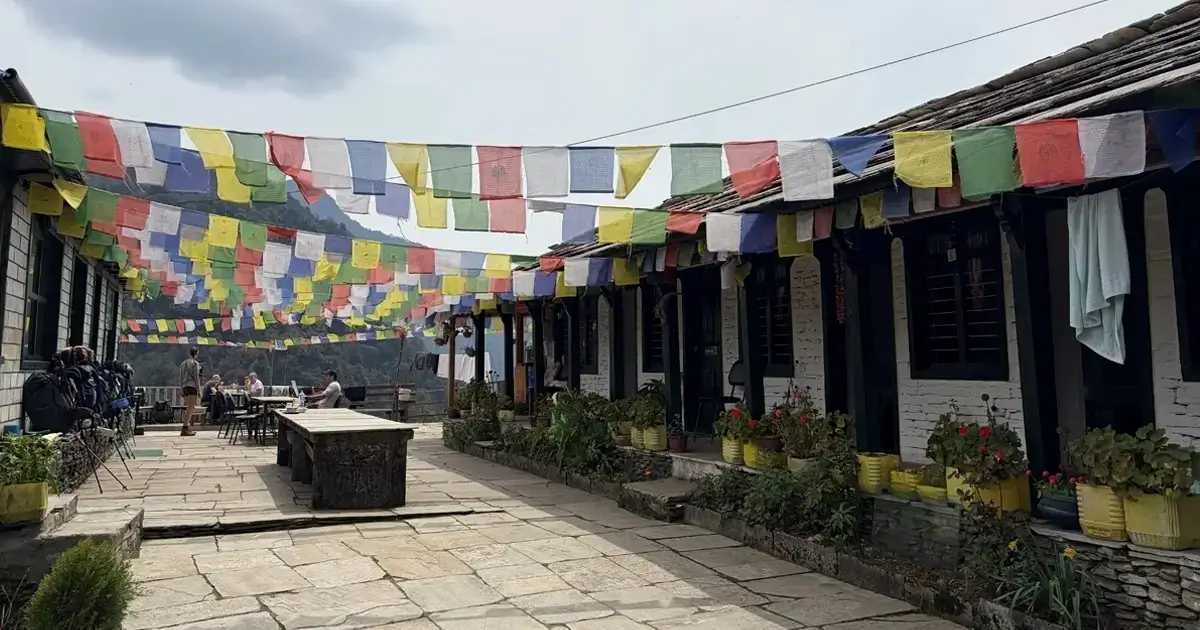
Teahouse treks mean multi-day trekking adventures that offer trekkers a comfortable overnight stay in lodges or hotels, usually run by locals alongside the hiking trail instead of camping. Despite its name, which includes the word "tea," teahouse owners provide not only tea but also various facilities to make your journey more flexible. Most teahouses also provide private rooms with attached bathrooms, warm dining halls, charging services, international food items, Wi-Fi, and hot drinks.
Enjoy a family-friendly environment along with traditional, warm hospitality and interaction with locals and global trekkers. You can complete a trek easily with a less heavy backpack compared to camping enthusiasts. Since you do not need to carry any cooking essentials, plastic products, or ecologically harmful items, the trek becomes sustainable as well as community-based tourism.
Which Teahouse Trek in the Everest Region Is Right for You?
The Everest/Khumbu region is a popular destination for teahouse treks in Nepal. We have listed here the best among them. As a result, you can analyze and select the most suitable for you.
Everest Base Camp Trek: The Classic Teahouse Trek in the Khumbu
Location: Khumbu, Solukhumbu District, Koshi Province (Northeastern Nepal)
Typical duration: 14 days
Highest point: Kala Patthar (5,644 m)
Difficulty: Moderate
Best for: First-timers/novice trekkers, Everest enthusiasts, mountain lovers
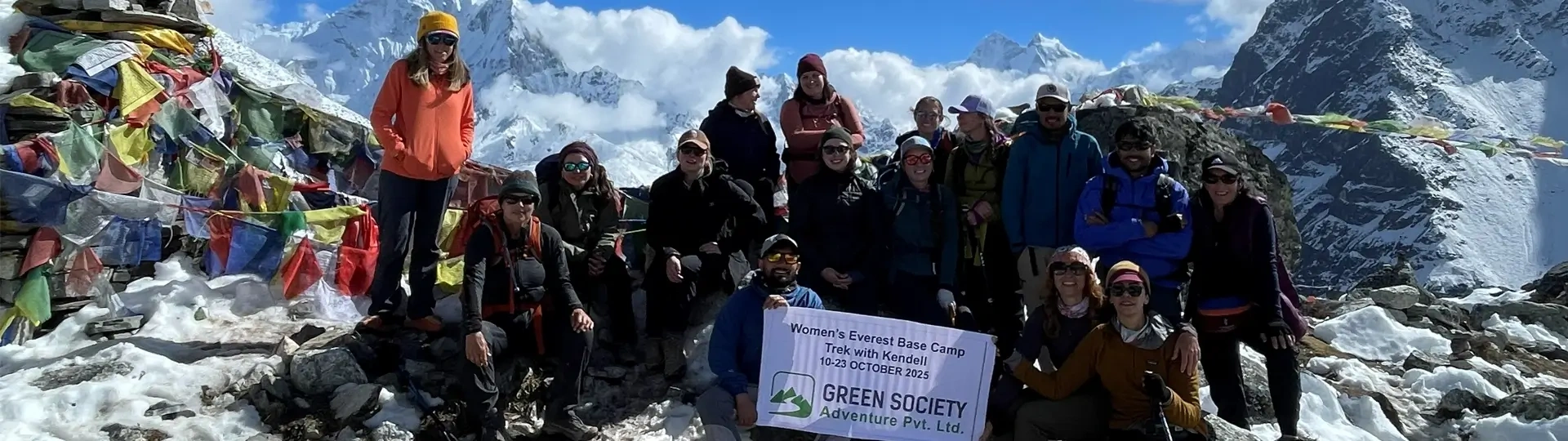
The Everest Base Camp (EBC) Trek is a globally renowned trekking route in Nepal that offers you the golden opportunity to stand at the base of Mt. Everest (8848 m) at an elevation of 5364 m, decorated with prayer flags and towering peaks. Breathtaking panoramas from Everest View Hotel, Everest Base Camp, and Kalapatthar are worth the entire effort for rocky terrain, steep sections, dense forests, and several suspension bridges over rivers. While exploring Sherpa villages, including Lukla (a gateway to EBC) and Namche (often known as Sherpa town), learn authentic Sherpa cultures and the practical religion of Buddhism beyond natural grandeur.
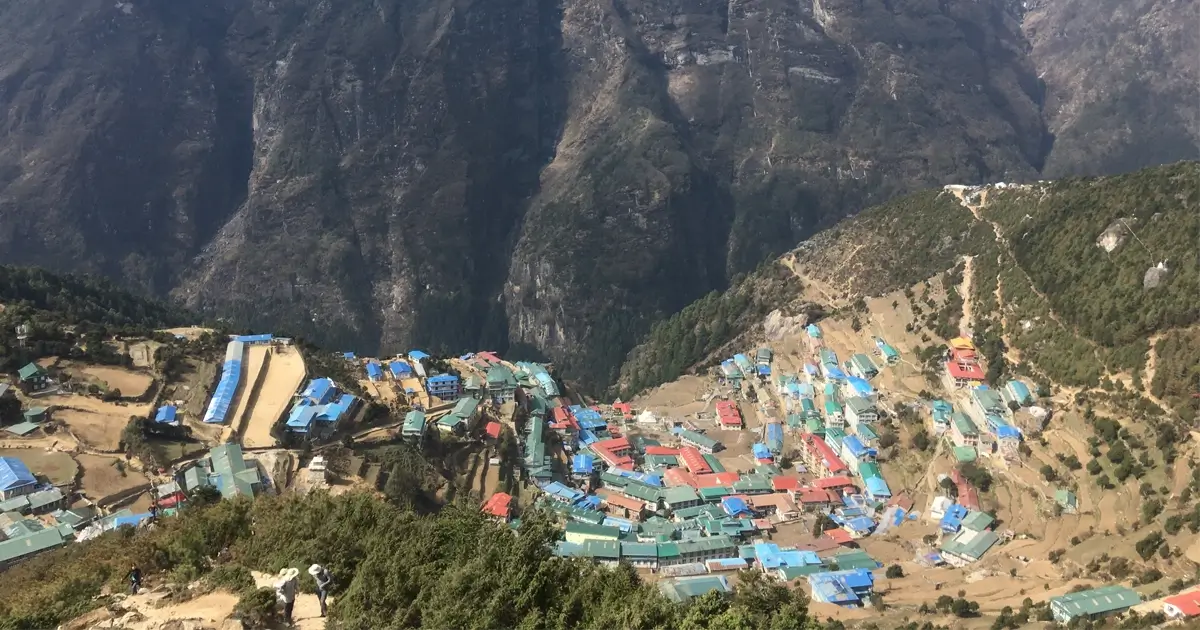
Settlement of Namche Bazaar with teahouses
With a full of excitement of following footprints of mountaineer legends, including Sir Edmund Hillary and Tenzing Norgay Sherpa, create your own history in the Everest region. You may also spot rare wildlife in jungle areas of Sagarmatha National Park, a UNESCO World Heritage Site. If you want to embark on this trek with your family, our professional team has crafted an itinerary of 16 days, which also suits kids and adults.
Everest Three Passes Trek – Best for Experienced Trekkers
Location: Khumbu
Typical duration: 19 days
Highest points: Kongma La Pass – 5,535 m (18,159 ft)
Difficulty: Challenging
Best for: Experienced high-altitude trekkers
The Everest Three Passes trek is especially for Himalayan adventurers with prior experiences, excellent physical fitness, and commitment to trekking through high alpine passes above 5000 m. Beyond its difficulty level, you can truly enjoy the combination of such challenges, spectacular Himalayan vistas, exploration of glacier valleys, and sacred lakes. Although the route is similar to the classic EBC route at first, it takes you through more Sherpa villages. After Chhu Dingboche, the trail takes you to Chhukung and then to Lobuche via Kongma La Pass.
Finally, you reach Gorakshep, the last permanent settlement before the Everest Base Camp. Following it, you find great enjoyment in a side hike to Kalapatthar and traversing Cho La Pass (5420 m) after Dzongla. The trail continues to Gokyo Valley, another highlight of this trek, and also unforgettable climbs up to Gokyo Ri (5357 m) for a 360-degree view of the surrounding mountains as well as the valley, lakes, and Ngozumpa glacier. The serene atmosphere of the Gokyo Lakes gives you a kind of spiritual satisfaction more than in previous days.
Spending quality time in the valley, the itinerary lets you hike down to Lumde via Renjo La Pass—5,360 m (17,585 ft). Crossing more quaint settlements, suspension bridges, monasteries, and forest areas, you will reach Lukla after stays in Namche Bazaar and Phakding. On this trek, you have more chances to learn about Sherpa cultures and their connection to the mountain giants. For your information, the trek can be an ideal tea house trek in Nepal, as accommodations are easily available alongside the major trekking route.
Teahouses become more basic with limited services in higher and remote terrain but are comfortable. The trek is challenging compared to standard Everest Base Camp due to steep ascents, descents, and icy paths. However, nothing is impossible, so the Three High Passes Trek.
Gokyo Valley Trek—Best for Views of Mt. Everest and Turquoise Lakes
Location: Khumbu, Solukhumbu
Typical duration: 11 days
Highest point: Gokyo Ri, 5,357 m
Difficulty: Moderate to challenging
Best for: Photographers, experienced trekkers, Everest-region explorers
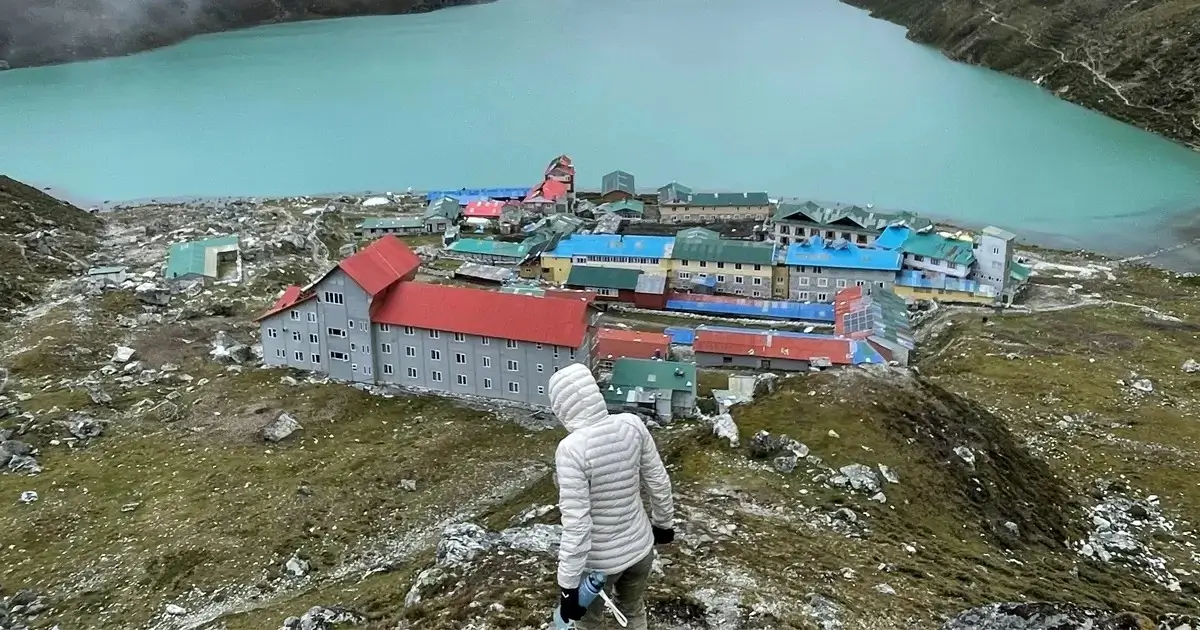
The Gokyo Valley Trek is recently highly popular as an alternative route to the classic EBC trail. The ultimate destination of this trip is Gokyo Valley, situated at an elevation of 4,750 m (15,584 ft), nearby Dudhpokhari (the third Gokyo Lake). Pilgrims visit Gokyo Lakes and Gosaikunda, especially on the occasion of the full moon of the sacred thread, also called “Janai Purnima." While Dudhpokhari is considered to be a residence of the Nagadevata-snake deity, other turquoise lakes are also equally beautiful and important religiously.
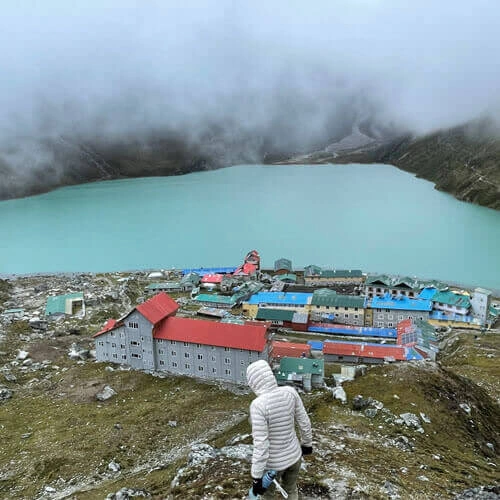
Teahouses in Gokyo Valley
View from Gokyo Ri, one of the highest peaks in the Khumbu region, is more attractive. Capture most captivating scenes of mountains like Everest, Makalu, Lhotse, Cho Oyu, and others. Less-crowded trails to the Valley allow you to immerse yourself in Sherpa cultures more deeply. Observing activities of monks and nuns at gompas and monasteries, you will have a sense of joy and positivity. Compared to EBC, the Gokyo route is easier but rewarding like it and has more unmatched features.
Which of the Annapurna Region’s routes is ideal for lodge trekking in Nepal?
Most Annapurna hiking trails are ideal for moderately fit individuals and first-timers in Nepal’s Himalayas. We have listed here some of the most chosen routes by trekkers. Compare, and pick the best one for you.
Annapurna Base Camp—Best for Mountain Views and Families
Location: Annapurna Sanctuary
Typical duration: 10–13 days
Highest point: 4,130 m
Difficulty: Moderate
Best for: Families, beginners with preparation, mountain photographers
The Annapurna Base Camp trek is one of the world’s most sought-after adventures that takes you to the lap of Mt. Annapurna, the 10th highest mountain on our planet. Due to the shorter total trekking distance with approximately 8–12 km of daily walking length, compared to the challenging Annapurna circuit trek, it is also suitable for all ages and fitness levels. Major highlights of walks into the Annapurna sanctuary are exploration of Ghorepani and Poon Hill, reaching Annapurna Base Camp, and dipping in natural hot springs for relief from pains by hikes.
On the way to Annapurna Base Camp
Trekking alongside the Modi River Valley with crosses through rhododendron forests, suspension bridges, and terraced farmland allows you to connect more deeply with nature. Similarly, staying in teahouses in villages dominated by Magar and Gurung communities lets you understand their cultures and get involved in some of their cultural celebrations, adding more pleasures to the odyssey. Breathtaking vistas of mountains like Annapurna, Gangapurna, Hiunchuli, Annapurna South, and Machhapuchhre from distinct viewpoints are unparalleled. In a short duration (less than 2-3 weeks), trekkers can experience a perfect combination of culture, nature, and adventure on easier trails.
Annapurna Circuit Trek: Ideal for Exploring Diverse Scenery
Location: Annapurna region
Typical duration: 14–18 days
Highest point: Thorong La, 5,416 m
Difficulty: Moderate to challenging
Best for: Experienced trekkers, landscape lovers, cultural exploration
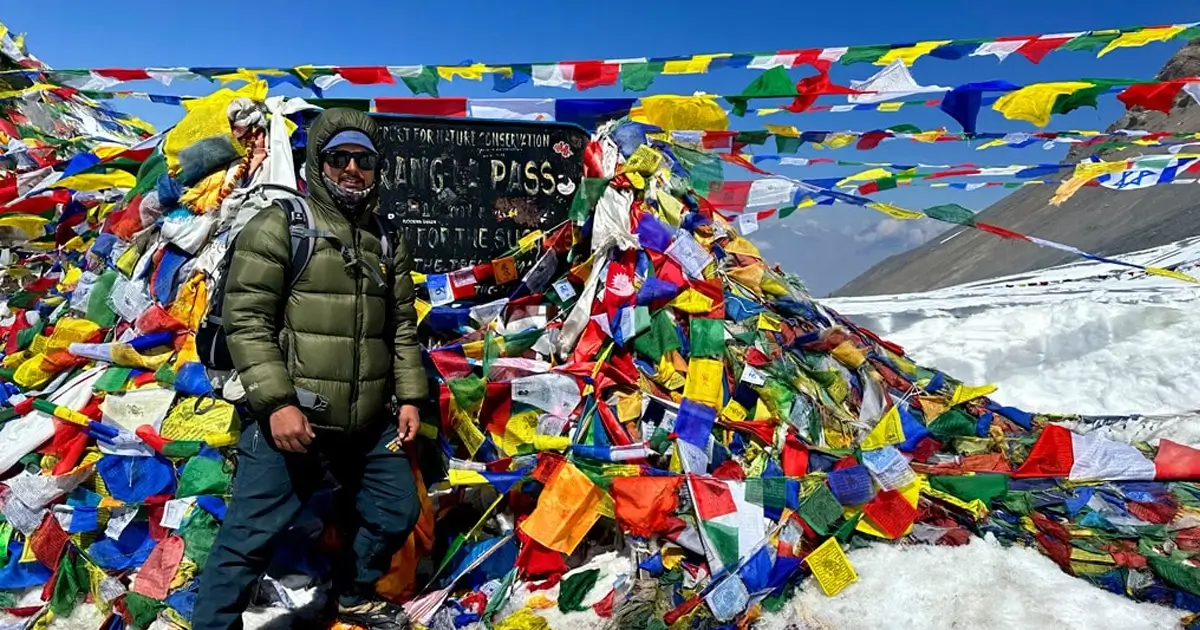
The Annapurna Circuit Trek is a popular trek that encircles Mt. Annapurna, offering experiences through diverse landscapes. Enjoying each step, you will see the transformation of verdant valleys and dense woodlands transitioning to Himalayan landmarks with alpine pastures, and then take you to the arid terrain of Mustang. Although Thorong La Pass (5146 m) makes this trip slightly demanding, the journey becomes more thrilling afterwards, as you will have the opportunity to visit sacred sites, including Muktinath Temple, which features 108 sacred water spouts and other Buddhist gompas.
A large number of Hindus and Buddhist devotees reach there every year, as Muktinath is believed to be a place of salvation (Moksha). After this, as you complete getting blessings at Jwala Mai Temple, which has an eternal flame fed by natural gases, you move forward to Jomsom, the capital of the Mustang district. Jomsom is very popular among youth adventurers, couples, and adults due to its unique scenery. As well as being easily accessible by both road and air vehicles. The place has been a key stop on the Annapurna circuit route, which has several well-equipped hotels.
At Thorong La Pass (5416 m)
Mainly it is renowned for apple orchards, mountain scenery, desert-like mountainous landmarks, and the dramatic cliffs of the Kali Gandaki River valley. During the trek, you are treated to snow-covered mountains such as Annapurna I, Dhaulagir, Nilgiri, Annapurna II, Annapurna South, Annapurna IIII, Annapurna IV, Chulu, and Tilicho Peak. Each stop has comfortable lodges, which make this the best among other teahouse treks in Nepal.
Mardi Himal Trek – Short, Quiet, and Rewarding Trails
Location: Annapurna region, near Pokhara
Typical duration: 7 days
Highest point: Around 4,500 m
Difficulty: Moderate
Best for: Young trekkers, photographers, couples, short adventures
Mardi Himal is a perfect Himalayan teahouse trek in Nepal, recently one of the most loved routes by international and local trekkers due to its short duration, easy trails, and proximity to Pokhara City. Even if you have only 5 days to explore, the trek is achievable at a cost-effective price. Crossing Gurung and Magar Villages, rhododendron forests, and some steep uphill paths lets you feel like a mini mountain expedition. The destination is suitable for year-round travel, but those who want to enjoy playing snow along with awe-inspiring views of mountains deeply covered in snow can also choose the winter season too.
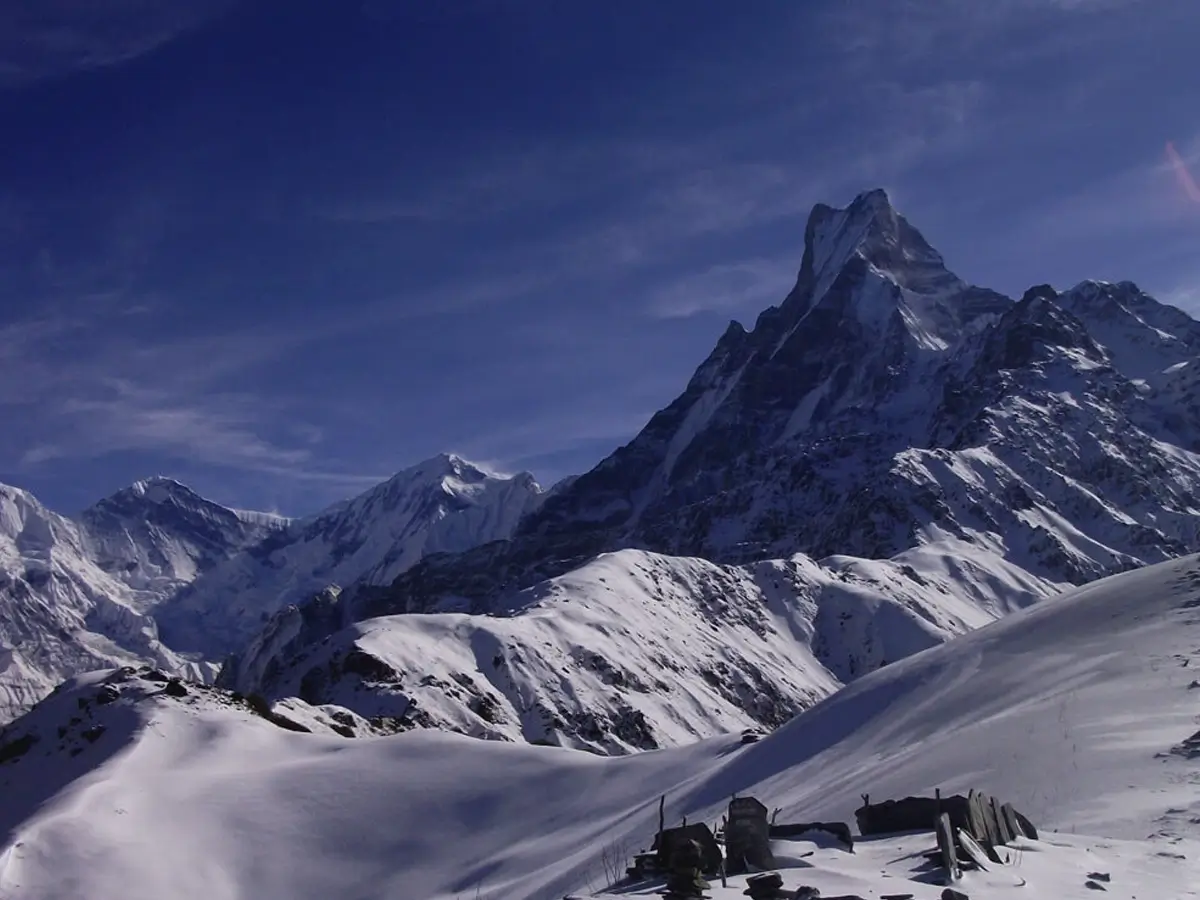
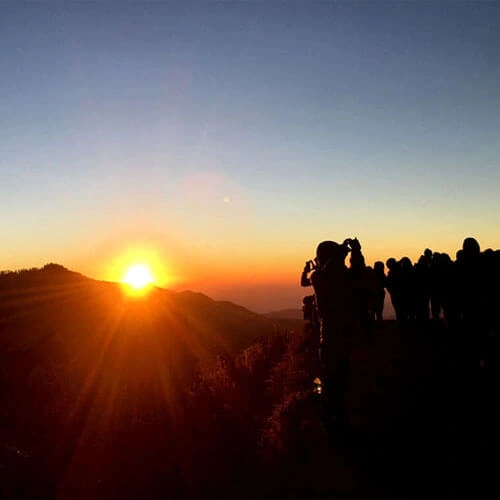
Accommodations on the route, including at Mardi Himal Base Camp—4,500 m (14,764 ft), are convenient. You’ll wake up with stunning Himalayan mountains right in front of you. The anticipation of seeing the first rays of sunlight illuminate the Himalayas in the morning makes you wake up before dawn. Going out of the lodge with your fellow trekkers becomes worthwhile when sunrise over Himalayas such as Annapurna South, Hiunchuli, Macchapuchhre, Annapurna I, Annapurna II, and other peaks gradually creates dramatic scenery. While the Mardi Himal route is an alternative to busier Annapurna trails, it also allows you to explore beautiful Pokhara City.
Scenery captured during Mardi Himal Trek
Not only are activities like boating, cycling, canoeing, paragliding, bungee jumping, and zip lining on offer while in Pokhara, but you also have a chance of visiting temples, David Falls, Mahendra Cave, White Gompa, Gupteswor Mahadev, and Sarankot. Whether you are a beginner or experienced one, you can really have an unforgettable experience on the Mardi Himal trek.
Ghorepani Poon Hill Trek—Best for sunrise and short treks
Location: Annapurna region, near Pokhara
Typical duration: 4–5 days
Highest point: Around 3,210 m (Poon Hill)
Difficulty: Easy to moderate
Best for: Sunrise lovers, families, beginners, photographers, and short adventures
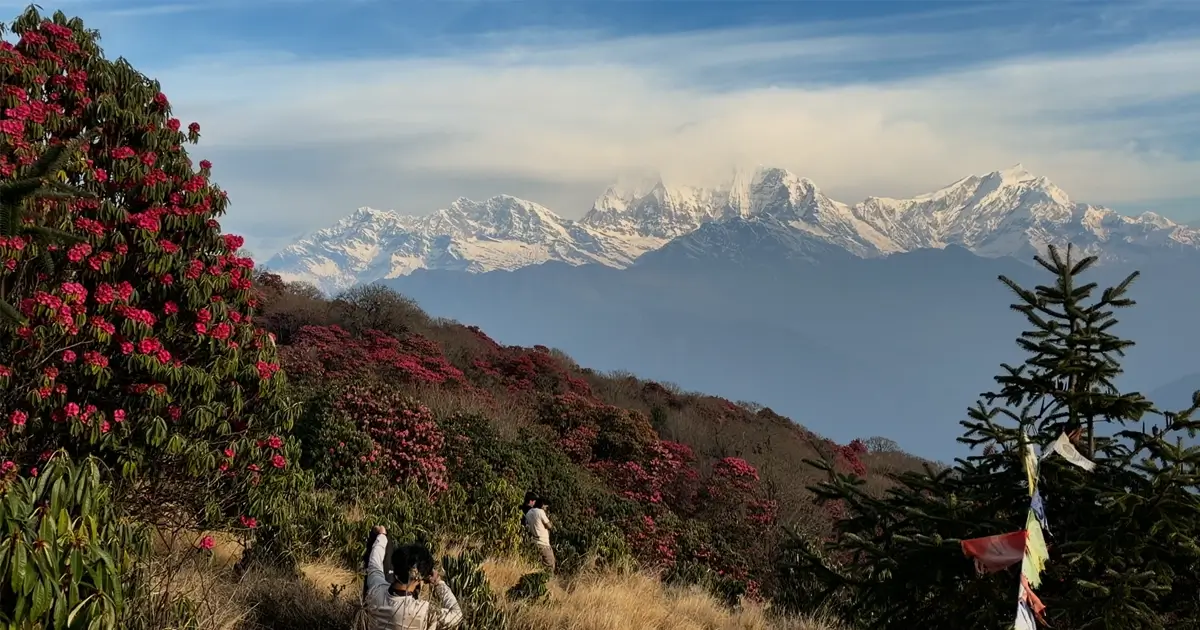
The Ghorepani Poon Hill Trek is a short but rewarding trek through the stunning Annapurna region and is suitable for families, couples, and all fitness levels. The beauty of Key Stop Ghorepani, located at an elevation of 2,850 m (9,350 ft), captivates both locals and international trekkers. Trails adorned with rhododendron forests let you enjoy mountain views and then take you to distinct villages that have family-friendly teahouses. While it’s a welcome or farewell, you can see love for you in locals' eyes. Locals’ traditional style of hospitality, cultural customs, jewelry, and delicious foods will make your strong connection with them.
View of rhododendron forests and mountains from Ghorepani
The route also takes you to the large village of Gurung, where you can take beautiful pictures of stone houses, terraced fields of mustard, and mountains. In addition, there is a chance to visit the old Gurung Museum that gives you more knowledge about Gurung culture. On rent, you can also wear different cast's dresses for photoshoots. Even in less than a week, you can get close to nature and know the ethnic groups’ culture with no physical strains.
Other Best Teahouse Treks in Nepal to Add to Your 2026/2027 Bucket List
Langtang Valley Trek—Best for Culture and Accessibility
Location: Langtang region, north of Kathmandu
Typical duration: 7–8 days
Highest point: Around 4,984 m (Tserko Ri)
Difficulty: Moderate
Best for: Culture lovers, nature enthusiasts, photographers, and first-time Himalayan trekkers
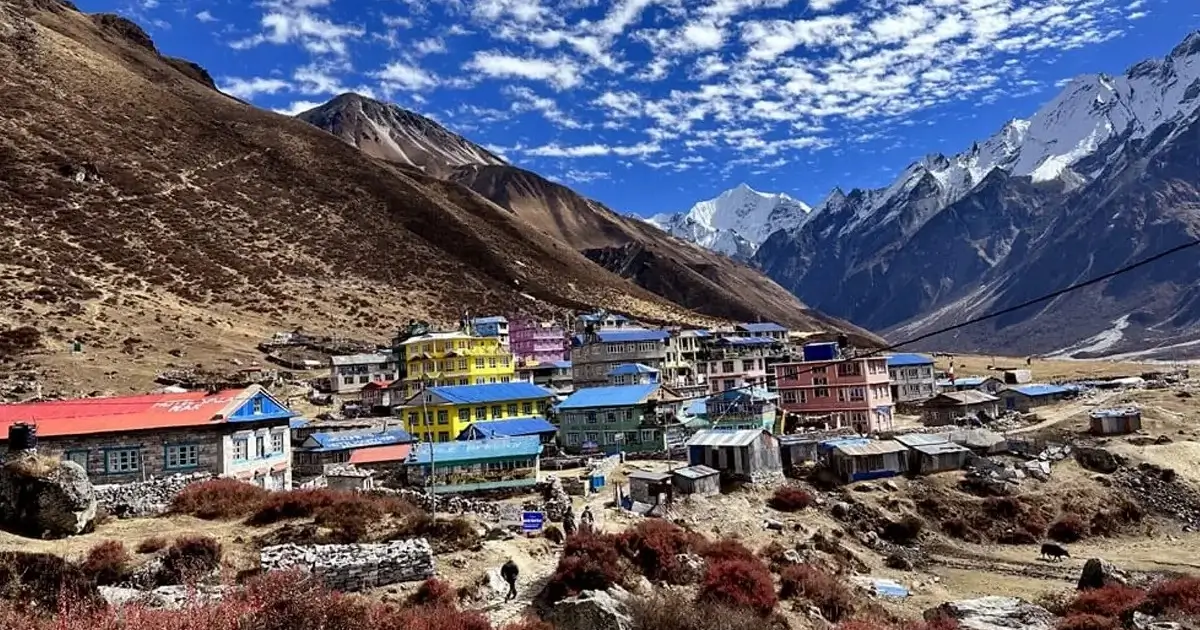
The Lantang Valley Trek is one of the best treks in Nepal. The starting point of the trip is only 122 km by road from Kathmandu. Since trails take you to the valley, majorly dominated by the Tamang community and Tibetan-origin people, you will learn about their distinct cultures. During the journey, views of glaciers and mountains are unbeatable. At the time of exploring Kyanjin Gompa, 3,870 meters (12,697 feet), a historical Buddhist monastery, see prayer flags, mani walls, and prayer wheels; you have positive vibes in you.
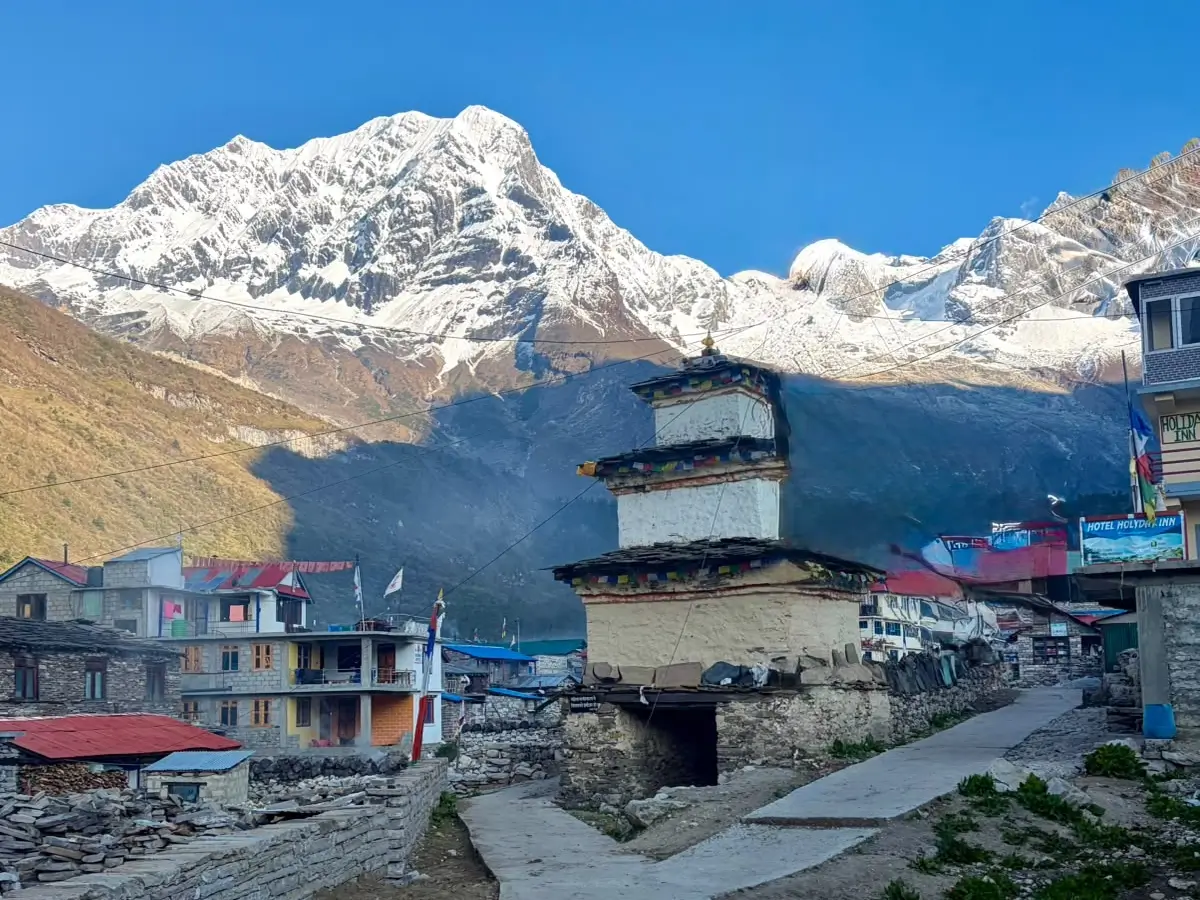
Teahouses in Langtang Valley
Spotting rare animals during a walk via Langtang National Park and visiting a yak cheese factory can be memorable highlights of this trip. Although the ultimate destination is reaching Langtang Valley, with wonderful keistops, which were once devastated by a great earthquake in 2015 A.D. and reconstructed with donations from international donors, reaching Kyanjin Ri (4773 m) gives you a special kind of joy. Standing there, surrounded by peaks like Langtang Lirung, Gangchenpo, Langshisha Ri, Langtang II, Changbu, Dorje Lakpa, and Yala Peak, is truly a lifelong memory. For your information, the trail to Syabrubeshi is not in good condition due to a flash flood that occurred on 26th August, 2026. As a result, you can reach initial point via Dhunche.
Manaslu Circuit Trek—Best for remote Himalayan adventure
Location: Manaslu region, west-central Nepal
Typical duration: 14–18 days
Highest point: 5,106 m (Larkya La Pass)
Difficulty: Challenging
Best for: Experienced trekkers, adventure seekers, remote landscapes, and mountain lovers
The Manaslu Circuit Trek has become one of the most popular Nepal trekking packages, even though it is a less-traversed one. If you are an adventurer who loves wandering through isolated landmarks, far from advanced technologies and crowds of cities, this route will surely leave you delighted. Rewards and challenges come side by side during this trek around Mt Manaslu—8,163 metres (26,781 feet), the eighth highest mountain on Earth. Traversing Larkya La Pass—5,106 metres (16,751 feet)—becomes relatively challenging because of unpredictable weather, rugged terrain, and steep parts.
However, 360-degree views of mountains like Manaslu, Annapurna II, Himlung Himal, Cheo Himal, Kang Guru, Larke Peak, and Ratna Chuli make you forget all the struggles to reach there. Exploring Tibetan-influenced settlements such as Lho, Samdo, and Samagaon lets you immerse yourself in their traditions, preserved for centuries. Since they are close to the Tibet border, you can also go on a side hike to the Tibet-Nepal border, from where you can learn about the Nepal-Tibet trade.
Samagaun on the Manaslu Circuit Route
Either Birendra Lake or Manaslu Base Camp can be explored as an acclimatisation hike. Both can be achievable, but you may have to cover long distances. If you need more time to understand, the best idea is to extend the Manaslu Trek to the Tsum Valley Trek, which takes you to more Tibetan-influenced villages and more dramatic places. Along with relishing the charm of natural grandeurs, you can have spiritual satisfaction.
Khopra Ridge Trek—Best for off-the-beaten-path scenery
Location: Annapurna region, near Pokhara
Typical duration: 7–10 days
Highest point: Around 4,660 m (Khayer Lake)
Difficulty: Moderate to challenging
Best for: Off-the-beaten-path adventures, photographers, nature lovers, and peaceful Himalayan experiences
The Khopra Danda/Ridge route is a wonderful destination for teahouse treks in Nepal. Generally, it is popular for close-up views of Mt Dhaulagiri (8167 m) and the crystal-clear holy lake, Khayer Lake (4500 m). Even though it is newly discovered, trekkers have attracted to this destination, as it also provides deep insight into local cultures of ethnic groups like Gurung and Magar and breathtaking views from distinct vantage points.
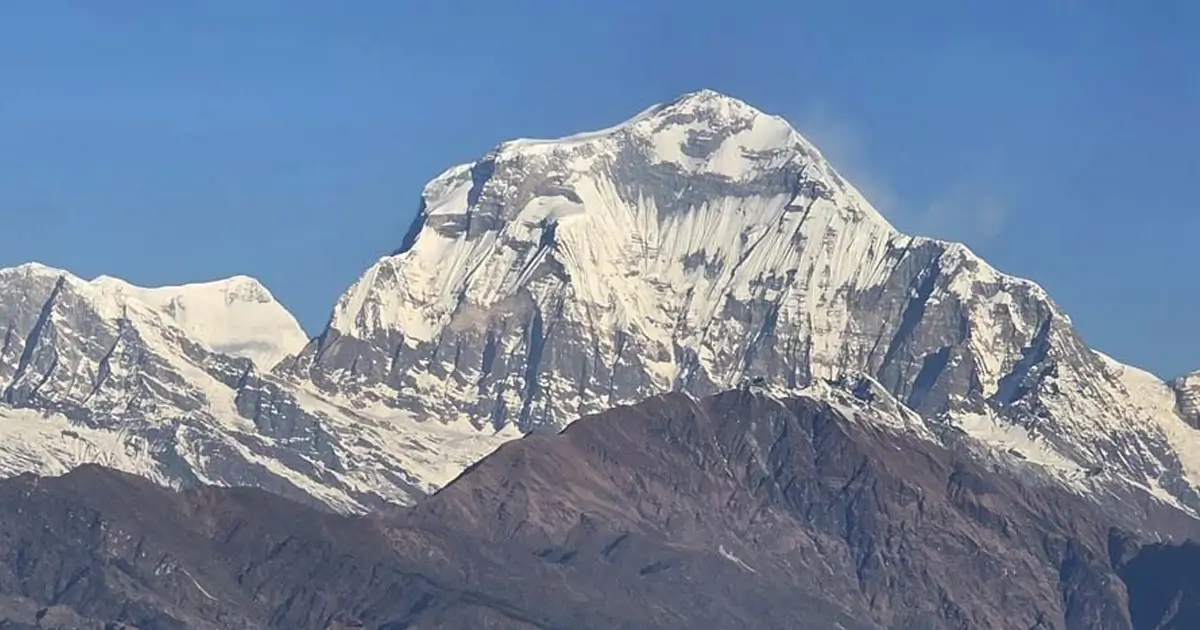
View of Dhaulagiri during Khopra Danda Trek
One of the trek’s highlights is Ghore Pani Poon Hill, which is very famous for sunrise/sunset views and mountain scenes. The trail is more peaceful compared to other commercialized routes in Nepal. Choosing this route not only allows you to enjoy stunning views of Annapurna South, Dhaulagiri, and Machhapuchhre but also offers you the opportunity to experience diverse natural landscapes.
What things do you need to know for planning Nepal Teahouse Trekking in 2026 and 2027?
Once you decide to come to Nepal, a Himalayan country that is home to 12 of the 8000-meter mountains, strategic planning becomes crucial for a successful journey. We have provided essential information, from the best season to wise packing, which makes any trek easier.
Select the Best Trekking Season
Choosing spring (March to May) or autumn (September to November) makes you wiser adventurers, as they have pleasant weather and moderate temperatures compared to off-seasons like monsoon (June to August) and winter (December to January). Clear visibility, excellent trail conditions, vibrant vegetation, and active wildlife are really better than walking with the risks of heavy rainfall and snowfall. However, you can trek in the rainshadow areas of Nepal to receive some discounts on the package and avoid busy trails.
Trekking Permits
Whether you plan to embark on teahouse treks in Everest, Annapurna, or another region, obtaining permits is compulsory in Nepal. If you select the best trekking company in Nepal, like Green Society Adventure, you do not need to worry about such essential papers. On your behalf, our team will proceed with the official papers when you provide all the needed documents. While trekking via national parks, conservation areas, and restricted areas, you also need the required permits along with TIMS.
Physical and Mental Preparation
Most teahouse treks let you enjoy walking on alpine terrain above 2500 m. As a result, you should prepare yourself physically and mentally by getting involved in simple cardiovascular (aerobic) exercise along with yoga practice/meditation. Giving consistency to these kinds of workouts for 8–12 weeks makes you stronger as well as helps your lungs function well. You can easily walk in thinner air with good balance on rough terrain, and then daily hiking becomes smoother. Click the Acute Mountain Sickness for more tips.
Packing Essentials
Several adventurers, especially first-timers in Nepal, stay in a dilemma while packing backpacks due to a lack of proper knowledge about the trail conditions, weather patterns, temperature of the chosen destination, and geographic structure. While packing, the must-concern thing is only buying reusable essentials; otherwise, taking equipment in premium condition on rent is a wise choice. Consult with travel experts before purchasing trekking essentials, as their durability and quality really do matter in lodge trekking in Nepal. Check the clothing and equipment list for easy packing.
Travel Insurance
Even seasoned trekkers with a lot of experience in Nepal’s Himalayas may face obstacles, adding additional expenses to their total trekking budget. If you want to enjoy the route with peace of mind rather than thinking about the financial burden, then purchasing travel insurance with the right policy can be the only great idea.
Ensure that your policy includes all trekking activities up to the highest point of the selected route, emergency helicopter evacuation above 5000 m, flight or trip delay/cancellation, and personal belongings loss/theft or damage. More details on travel insurance.
Conclusion: Which one is ideal for you among the 10 of the best teahouse treks in Nepal for 2026 and 2027? .
Choosing the Himalayan Teahouse Trek in Nepal truly relies on an individual's preferences, fitness level, and walking pace. As you have already got some details about the packages above, it’s in your hands to decide which among them suits you the most. Nevertheless, we can recommend the Ghorepani Poon Hill Trek if you want the easiest one and the Everest High Passes Trek for the most challenging yet rewarding one when comparing among the provided Nepal trekking packages for 2026 and 2027.
Raj Kumar was born and raised in the mountain town of Gorkha. He is an enthusiastic traveler who enjoys discovering new places. His passion for exploration knows no bounds, driving him to seek out new trails and experiences. He has successfully traveled and explored most of the trekking routes in Nepal, mastering their intricacies.
Raj Kumar started his career as a guide at the end of the year 2006. His dedication to this field has been unwavering, surpassing 17 years and counting. He established his own company, Green Society Adventure, in 2013, fueled by his expertise and entrepreneurial spirit. He has a vision to share the beauty of Nepal’s landscapes and cultures to the world. As both a guide and a leader, he inspires people to explore the world with curiosity and respect.