Gokyo Valley Trek is a moderate-level journey, requiring a reasonable fitness level, essential equipment, and proper preparation, along with safe drinking water and hygienic, healthy, and energy-rich food during the trip. Most Everest region teahouses provide simple but fresh and nutritious food, which is appropriate for high elevations and prepared by locals in a traditional way.
Trekkers get a variety of Nepalese, Tibetan, and Western items at restaurants, lodges, and teahouses, from “dal bhat to pizza, noodles, and hot drinks.” This blog post of the Gokyo Valley trek food guide comprehensively describes what helps you learn about them and makes it easier to choose breakfast and meals (lunch and dinner) available at teahouses along the Gokyo trek route.
Table of Contents
What Kind of Food Is Available on Gokyo Valley Trek?
During any season, the temperature keeps fluctuating, including freezing temperatures at night (especially in winter), requiring adequate strength and warmth for prolonged treks. Hot meals and power-packed meals help preserve body heat, along with a variety of local and international food options.
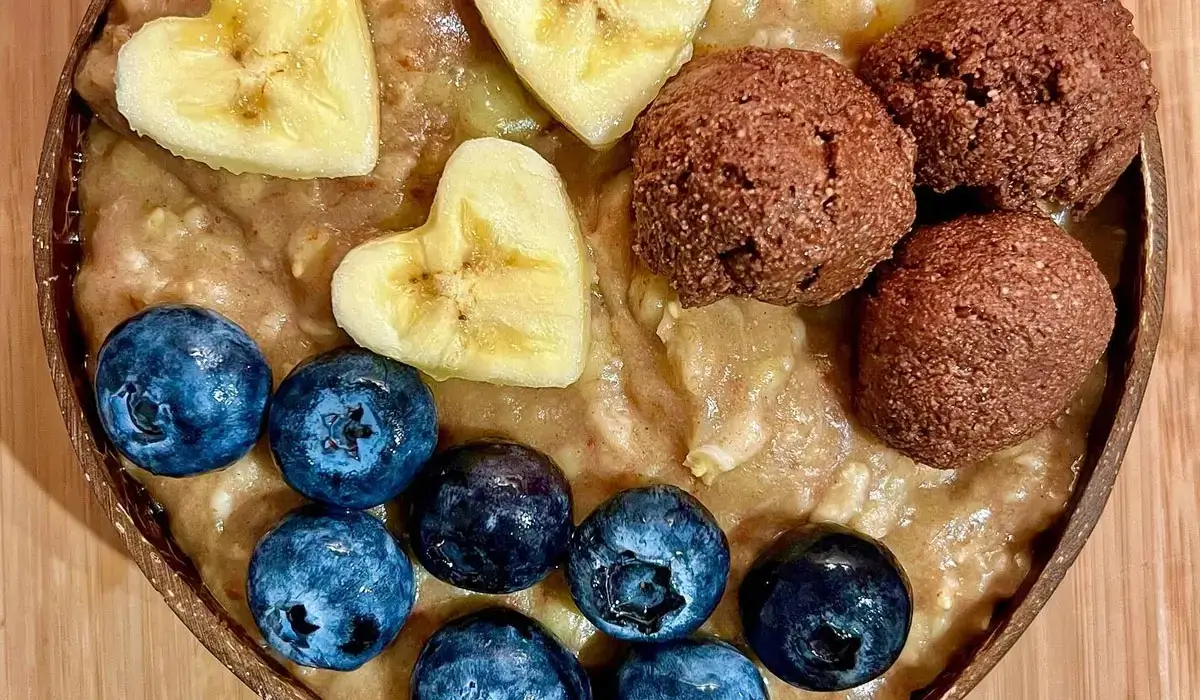
Tsampa Porridge
Popular foods in the Gokyo Valley trek generally include the following:
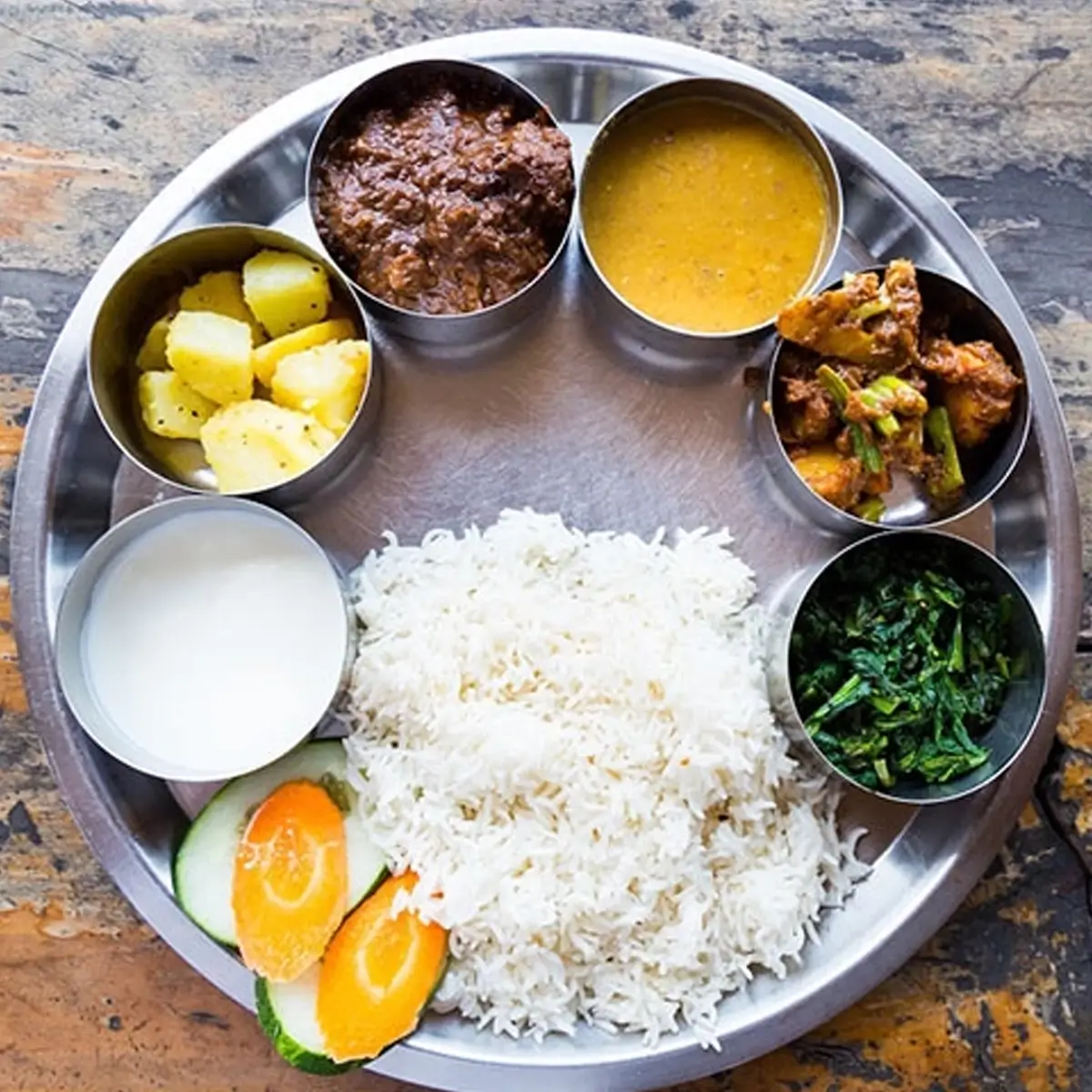
Dal Bhat
Chapati with curry
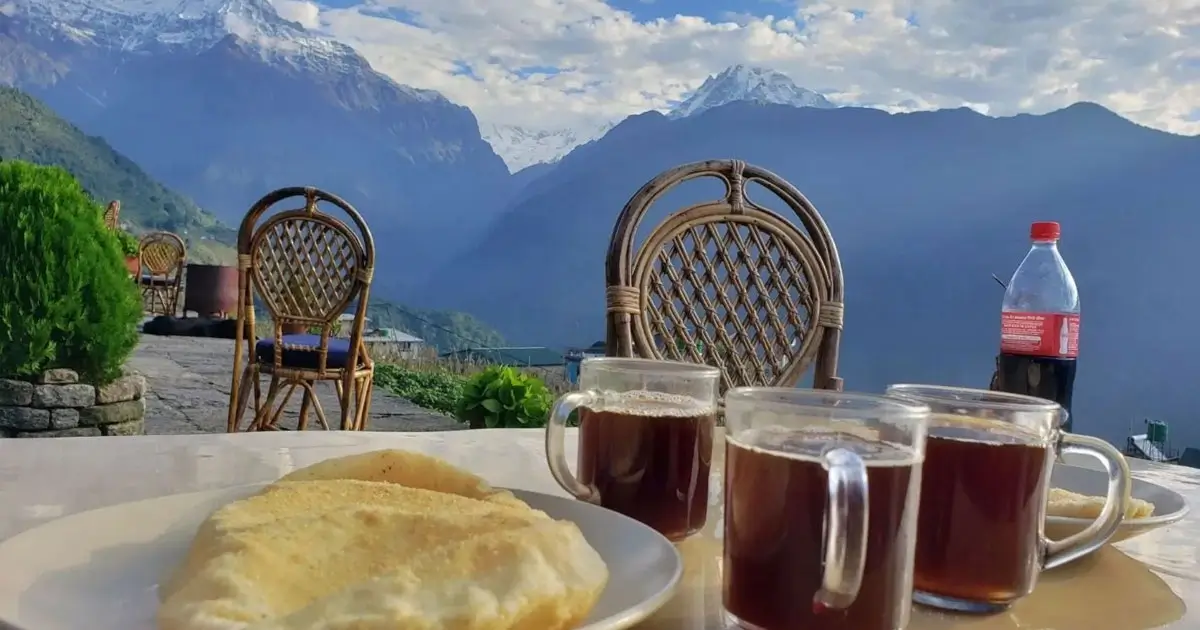
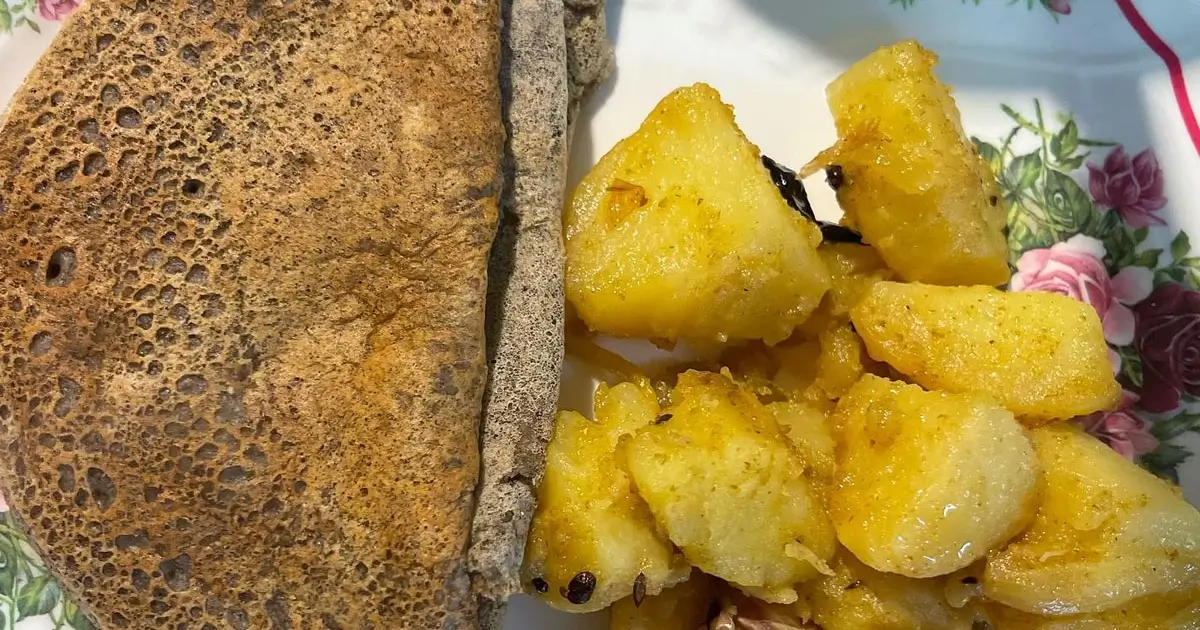
Buckwheat bread
Pancakes
Porridge
Momos (dumplings)
Tibetan bread and Sherpa Stew
Fried rice and vegetable rice
Spaghetti and Noodles
Potato Dishes
Soups and drinks
Eggs and toast
Locals prepare some other items and the abovementioned meals in the Gokyo Valley Trek in a hygienic way, using local ingredients and delivered supplies from lower areas.
Is food easily available on Gokyo Valley Trek?
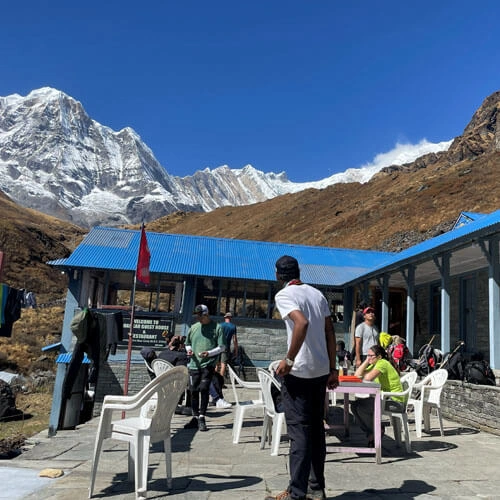
Yes, trekkers generally get meals easily, as most quaint villages along the Gokyo route have several teahouses and lodges that are serving with quality services, including a wide range of food. The well-established accommodations of the Namche Bazaar, Dole, Machhermo, and Gokyo treks majorly provide meals daily, as these are major stops on these routes.
You do not need to carry heavy food stocks, as teahouse food on the Gokyo Valley trek is accessible throughout the route, and they provide enough energy for the daily walking. Nevertheless, keep some nutritious snacks like dry nuts, dry fruits, chocolate bars, and energy bars in case you need to recharge yourself. Remember that as you reach higher elevations, food variety becomes limited because of transportation issues.
Expect more food options in lower-elevation settlements like Namche Bazaar, a Sherpa town, as it is more developed, and bakeries, restaurants, and cafes are available with a wide range of local and international food. While Dole and Machhermo offer moderate food items with simple but trustworthy services, Gokyo’s accommodations have a more limited variety of dishes due to the remote location with high altitude.
What meals are generally served in Gokyo Valley tea houses?
If you check our Gokyo Valley trek itinerary out, each day during trekking in the Khumbu region, hikers get food thrice a day with the BLD (breakfast, lunch, and dinner) model. Prioritizing your well-being, we contact teahouse owners earlier that provide high-calorie meals on time as you reach there.
You may wonder what breakfast, lunch, and dinner options are available at teahouses; let’s discuss them here.
Breakfast Options
Every day, wake up in a cooler atmosphere with great scenery, and the sunrise view itself is a refreshing capsule to determine the future journey. However, a hot and healthy breakfast is crucial to begin the day, being more enthusiastic in the early morning. Hikers become able to cover distances with ascents and descents until reaching the pausing point at mountain teahouses for meals such as lunch.
Let’s check the following foods out as breakfast options, which are simple yet filling and help balance your body strength and warmth.
Bread and jam
Pancakes
Porridge
Eggs and toast
Tea or coffee
Lunch and dinner options
If a day trek is shorter, trekkers reach and have lunch at teahouses; otherwise, they can eat food at some stop points in the middle of the trek. Dinner is offered at lodges before bedtime, sometimes along with entertainment performances such as cultural dances. While proceeding on the trip via challenging terrain, trekkers really burn lots of calories and get extremely exhausted.
As a result, proper lunch and dinner are required to recover strength and keep the body warm in the strong cold of the Himalayan environment. Considering a balanced diet for each hiker, most teahouses offer freshly cooked, energy-boosting meals, equalizing carbohydrates, proteins, minerals, fibers, and vitamins after a long trekking duration.
The commonly available lunch and dinner options on the Gokyo trek include the following:
Dal bhat
Noodles and soup
Fried rice
Pasta and spaghetti
Potato curry
Sherpa stew
Dal Bhat
Why is “Dal Bhat” the most recommended food on Gokyo Valley Trek?
In alpine landmarks, dal bhat plays a vital role in keeping your body energized, as it is high in calories with balanced nutrients needed for high-altitude treks. As a result, it has become most trekkers’ best food on the Gokyo Valley trek, and teahouse owners also prepare it regularly.
There is also a saying, “Dal Bhat power, 24 hours,” due to its popularity as the best lodge food in Nepal trekking, including in the Everest region. Although the name is Dal (lentil soup) and Bhat (steamed rice), it consists of seasonal vegetables, lentil soup, pickles, and a salad. Therefore, it is a key element of any Gokyo Valley trek food guide.
Major reasons to choose dal bhat among tea house menus in Gokyo Valley are as follows:
Easy to digest, so you can preserve energy for long walks.
Unlimited refills in most mountain teahouses.
Rich in carbohydrates, protein, fiber, iron, and vitamins.
Freshly cooked and served when it is hot.
Keeps body energized and warm for longer.
How is teahouse food in the Gokyo trek prepared?
The Nepal government believes in sustainable tourism and has regulated essential permits for any trekking in Nepal. Teahouses know their responsibility and serve each trekker (local and international) with a delightful face and warm hospitality. A key point to impress tourists is also preparing food in a sanitary way and serving it in a clean dining room.
Without compromising trekkers’ health, locals prepare food on the Gokyo Valley trek by using fresh, seasonal vegetables, grains, and some packaged supplies from lower elevations transported with the help of yaks, horses, and porters.
Food preparation process:
Local ingredients, and seasonal food crops
Fresh cooking after order
Well boiled and prepared in a hygienic way
Use of neat and clean kitchen along with washed equipment (utensils, knives, chopping board)
Warm serving for high-altitude comfort
What drinks are available on Gokyo Valley Trek?
Keeping your body hydrated is really important in rugged mountain landmarks to avoid acute mountain sickness. Having liquid substances (water, energy drinks, tea) from time to time helps to maintain hydration, but one needs to stay away from liquors (alcohol/hard drinks). The most common drinks available at teahouses of the Everest region for trekking are as follows:
Black tea
Milk tea
Ginger tea
Hot Chocolate
Garlic Soup
Lemon tea
Coffee
Bottled water
Boiled water
While it’s on you to choose beverages, we highly recommend having garlic soup and hot tea every day during the Gokyo Valley trek food experience, as they are helpful for altitude adaptation.
Buckwheat bread during the GokyoValley trekking
Is non-vegetarian food available in Gokyo Valley?
Yes, both vegetarian and non-vegetarian food are available during the Gokyo Valley trek. In lower-altitude settlements, you find more meat dishes, especially chicken, buff, and yak meat.Chicken curry and egg items are popular among trekkers, along with rice or dhido (traditional Nepalese food made mainly from buckwheat flour or other flours).
As you go higher, electricity is limited, and the supply of meat also becomes difficult due to transportation challenges. As a result, you may not always get fresh meat, and stale meat can cause health issues and may affect the overall trekking experience. Therefore, avoiding spicy, oily, and heavy food, including meat, becomes wise during long trekking days.
Heavy foods take more energy to digest and make you feel hungry sooner, leaving you extremely fatigued. Therefore, vegetarian food in the Gokyo Valley trek becomes the best option for safer and more comfortable walking.
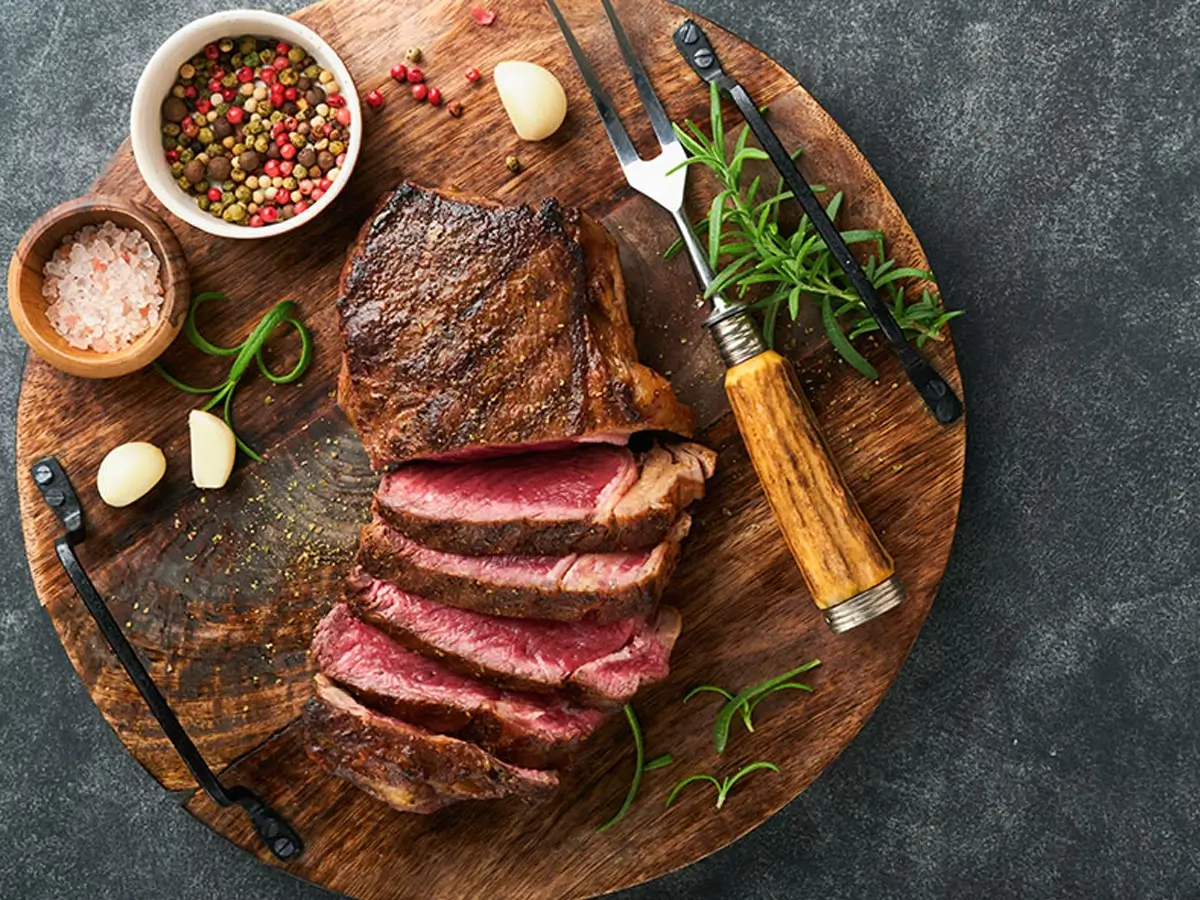
Chicken and buff steak
How expensive is food on Gokyo Valley trek?
The cost for available food in the Gokyo Valley trek is affordable but increases as you ascend to higher altitudes because of transportation and seclusion. Having a simple set of Dal Bhat with only vegetables is cheaper than Tibetan and Western foods along with meat items. If you are on a budget trip, eat what is on the schedule of the itinerary, which is generally more affordable and healthy than having heavy meals that cost more and that you have to pay for out of your pocket.
What should you carry as extra food for Gokyo Valley trek?
You will find several teahouses on the way to the Gokyo Valley, but carrying extra light but nutritious snacks is crucial. We ensure that meals given at teahouses provide enough energy for day hiking. Nevertheless, energy-rich light bites in the middle path recharge you and make you more active. Some recommended snacks are as follows, which maintain energy between meals in the Gokyo Valley trek.
Dry nuts and fruits
Chocolates
Cookies/Biscuits
Beaten Rice
Energy bars and drinks
Electrolyte powder
Is food safe and hygienic on Gokyo Valley Trek?
Most teahouses provide nourishing and hygienic foods for trekkers, taking all these as their major responsibilities. However, you need to be careful about your personal health that connects to the hygiene of teahouses and the process of preparing food. Ensure that you have chosen the best teahouse/lodge that does not compromise adventurers’ safety and soundness. We provide some safety tips below that help you stay well and maintain good health during the trek.
Select popular accommodation, recommended by most trekkers, and take advice from your guide.
Ensure that your meal is freshly cooked and hot.
Wash your hands frequently with bacteria-killing handwash, especially before eating food.
Drink only purified water (boiled, filtered, and purified with a purification tablet)
Avoid raw food (eat only cleaned salad)
Skip meat items during the trek (if you really want, eating only at lower altitudes can be the best option).
Do not eat foods that are under your dietary restrictions or cause allergies on your body.
Inform your guides which ingredients do not suit you so they can deliver this notice to the kitchen staff.
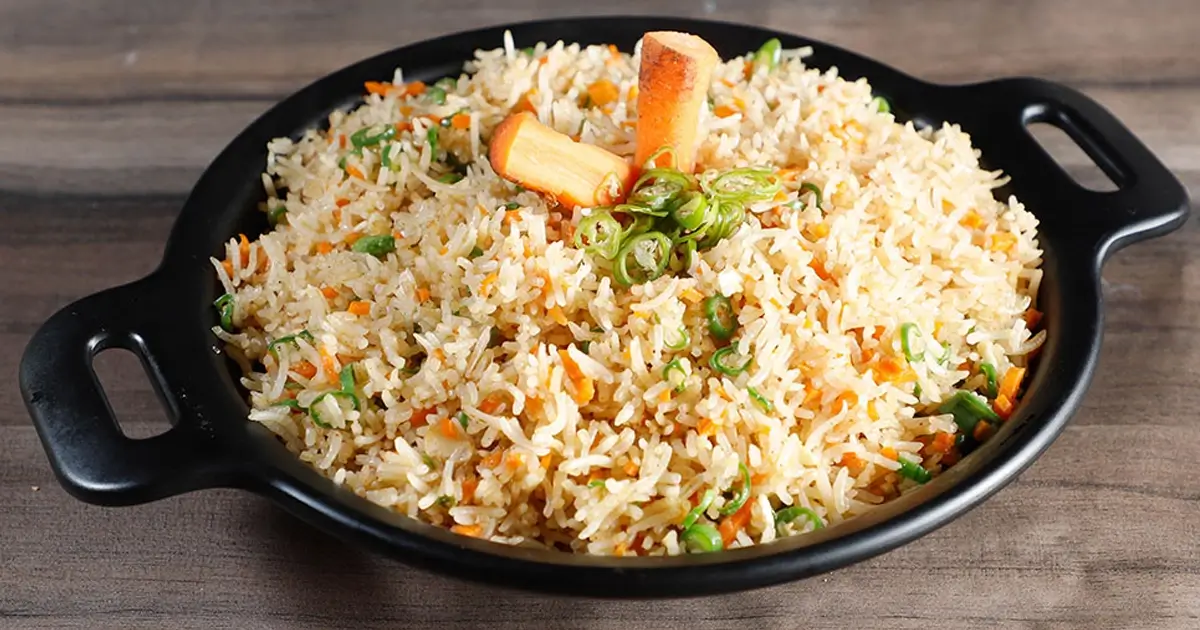
Fried Rice on Gokyo Valley Trek
Conclusion
To sum up, enjoy the Gokyo Valley trek confidently with simple but fresh, warm, and healthy food on the trek. Having foods from traditional Nepalese cuisines to beverages, provided at accommodations, is enough for strengths. Hotels or teahouses ranging from simple to deluxe provide different kind of food that are affordable, well-prepared, and compatible for both vegetarian and non-vegetarian trekkers on mountainous landmarks. For more details check some Himalayan foods and popular breakfastwhile trekking in Nepal, and also contact us as we are on your service.
FAQs
What is the highest point of the Gokyo Valley trek?
The highest point of the Gokyo Valley trek is Gokyo Ri (5,357 m), which you reach by covering around 1 to 2 kilometers from Gokyo Village, located alongside Dudh Pokhari (the Third Gokyo Lake).
When is the best time to trek to the Gokyo Valley?
The best times to trek to the Gokyo Valley are spring (March to May) and autumn (September to November) due to pleasant weather and moderate temperature.
What permits do you need for Gokyo Valley trek?
You need to obtain a Sagarmatha National Park entry permit and a Khumbu Pasang Lhamu permit for Gokyo Valley trek.
Why do you need travel insurance for the Gokyo Valley trekking?
Even though paths to the Gokyo Valley trek are well-marked, obtainingtravel insurance can save you from unnecessary expenses in case of unforeseen circumstances.
The right insurance that covers helicopter evacuation above 5000 m, health treatment, trip/flight delays, and personal belonging damage or loss will ensure a safe, secure, and worry-free trekking experience.
How difficult is the Gokyo Valley Trek?
The Gokyo Valley trek is a moderate-level trip due to well-marked trails, a smooth itinerary, and an appropriate trek distance compared to Everest Base Camp.
However, you need to prepare both mentally and physically to tackle some risky zones and steep or rugged terrains.
Is a guide compulsory for the Gokyo trek?
Yes, hiring a seasoned guide with a license registered in the Nepalese government is mandatory, not only for the legal process but also for a secured odyssey. While guides help to navigate any difficult trails, they handle altitude sickness along with all trekking logistics.
What mountains can you see during the Gokyo Valley trek?
You can have the most breathtaking vistas of Mt. Everest (8848 m), Cho Oyu, Makalu, Lhotse, Ama Dablam, and Nuptse during the Gokyo trek.
How long will you trek per day during the Gokyo Valley trek?
The Gokyo Valley Trek takes an average of 4 to 6 hours per day, with an average distance of 10 to 11 km. The eighth day, when you arrive at Goyo Ri and return to Dole in six to seven hours, is the longest trekking day.
Are there services of hot shower, WiFi, and ATM on the way to the Gokyo Valley?
Yes, most teahouses along the route to Gokyo Valley provide services like hot showers, WiFi, and charging services. However, your ATM service is available at Namche Bazaar, so you need to carry enough cash for further ahead in case of need.
Can you extend the 11 days Gokyo Valley trekking package?
Yes, you can combine the 11-day Gokyo Valley trekking with the Everest Base Camp via Chola Pass (5420 m). It also gives you the chance to climb Kala Patthar (5644 m), which could take 3 or 4 days to finish with Gokyo Lake and Everest Base Camp combined.
Raj Kumar was born and raised in the mountain town of Gorkha. He is an enthusiastic traveler who enjoys discovering new places. His passion for exploration knows no bounds, driving him to seek out new trails and experiences. He has successfully traveled and explored most of the trekking routes in Nepal, mastering their intricacies.
Raj Kumar started his career as a guide at the end of the year 2006. His dedication to this field has been unwavering, surpassing 17 years and counting. He established his own company, Green Society Adventure, in 2013, fueled by his expertise and entrepreneurial spirit. He has a vision to share the beauty of Nepal’s landscapes and cultures to the world. As both a guide and a leader, he inspires people to explore the world with curiosity and respect.