The Everest region’s every trail reveals surprises with each step forward, passing through diverse terrain—from lush subtropical forests to alpine meadows, glacial moraines, and rugged paths. There is truly a great Himalayan debate that explorers frequently face when choosing between the Gokyo Valley Trek and the Everest Base Camp Trek. Nevertheless, both trekking routes deserve a place on every adventurer’s bucket list.
One of the most commercialized packages, the Everest Base Camp trek offers close-up vistas of the Khumbu Icefall and allows you to follow in the footsteps of legendary climbers who have successfully summited Mt. Everest (8848 m), reaching its base camp. However, the Gokyo trek provides the best scenery of serene, sacred turquoise lakes and the Himalayas from Gokyo Ri (5357 m), one of the highest peaks in the Everest region.
If you are looking for a less crowded but equally adventurous route, Gokyo Lake could be an alternative to Everest Base Camp. It's on you to choose Gokyo Valley Trek or Everest Base Camp. They differ in crowds, difficulty level, scenery, and overall perception. Let’s check whether it’s better or not as we break it down clearly so you can decide on choosing the trek that fits you best.
Table of Contents
What are the major differences between Gokyo Valley and Everest Base Camp?
While comparing two Everest packages, you must know the core distinction at first. Although both treks begin from Lukla after a flight from Kathmandu and share the same paths up to Namche Bazaar in the first phase, they split significantly.
Everest Base Camp Trek (EBC)
One of the most popular trekking routes in the world.
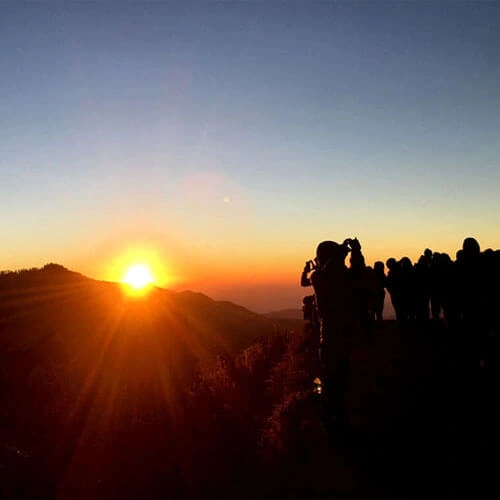
Offers to reach Kalapatthar (5644 m), a breathtaking vantage point for sunrise views and panoramas of the Everest massif.
Leads to Everest Base Camp (5364 m), following legendary trekkers' footprints.
Busier trails
Gokyo Valley Trek
More peaceful and the best alternative to the Everest Base Camp trek
Side hike to Gokyo Ri (5357 m), just covering 1.5 to 2 km.
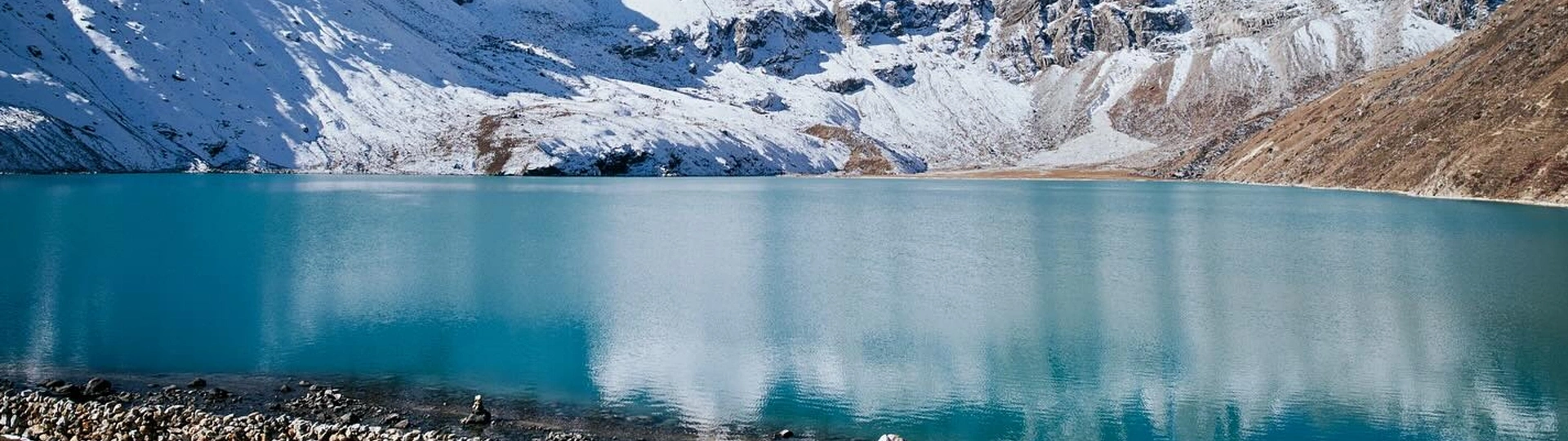
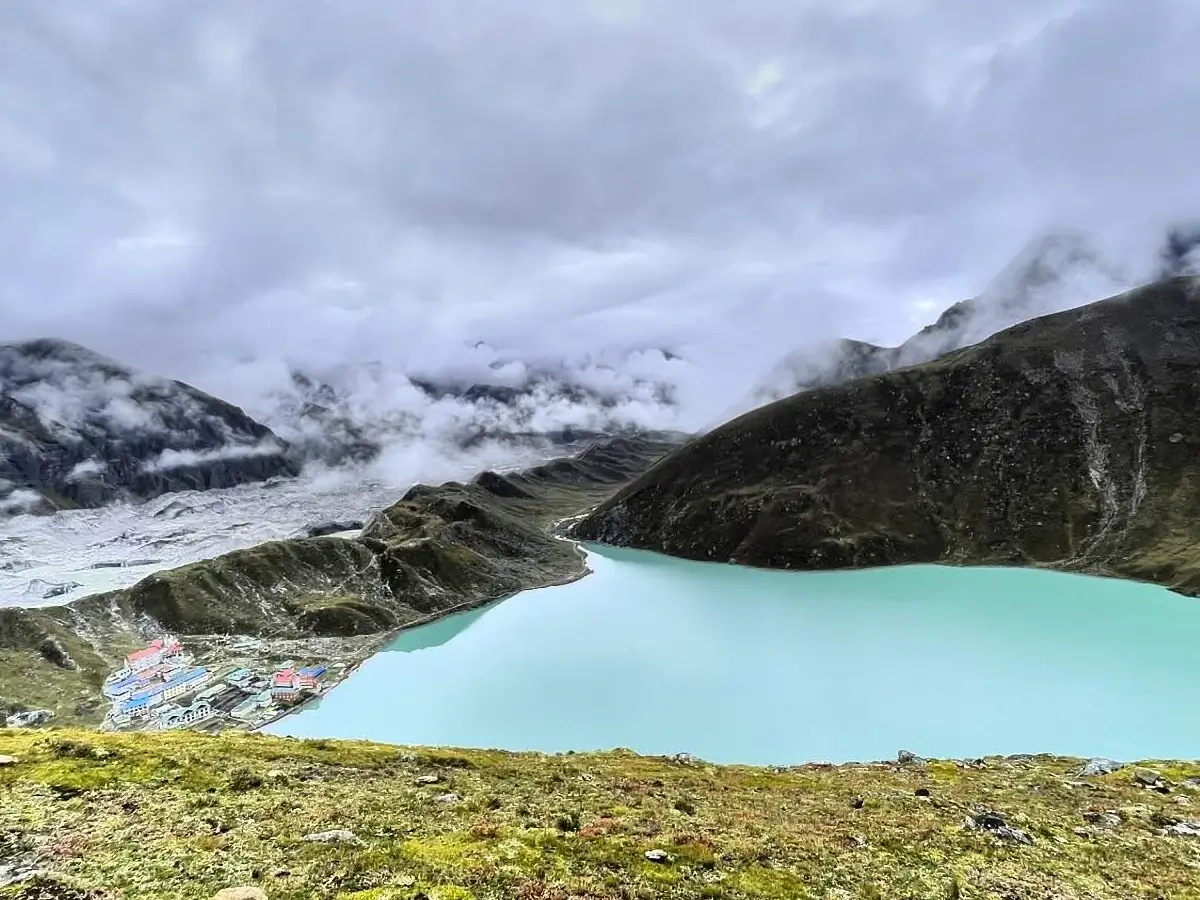
Provides stunning views of glaciers, Gokyo lakes, and Himalayan valleys.
Cross Ngozumpa Glacier, the largest glacier in Nepal, which flows down from the slopes of Mt. Cho Oyu.
Where do the EBC and Gokyo trails actually split?
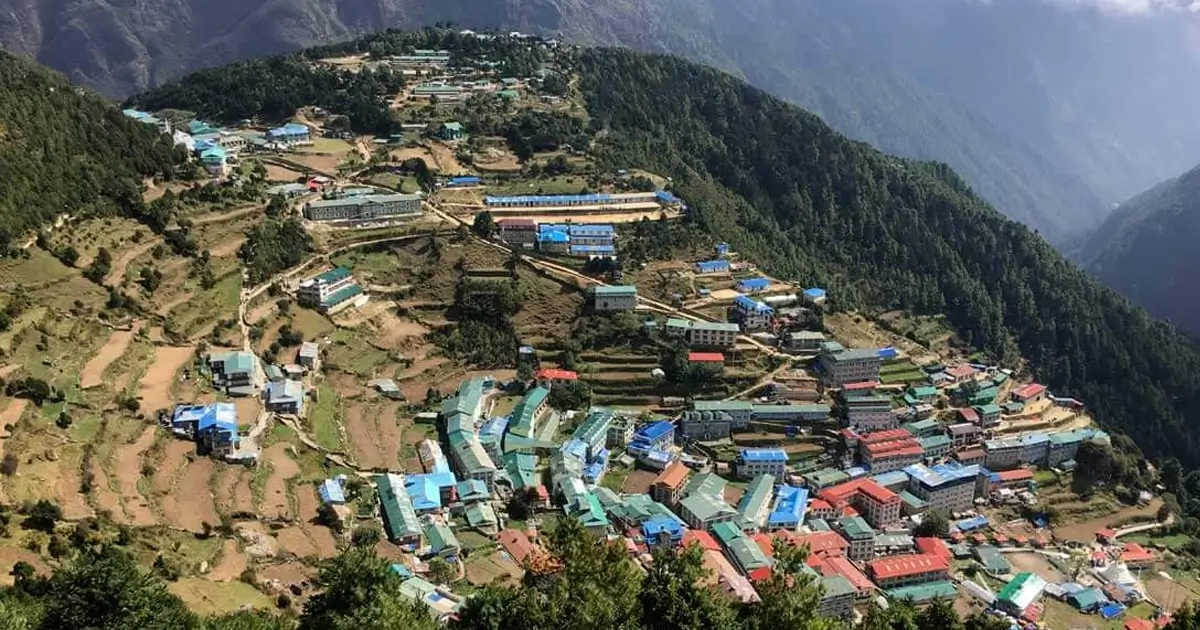
Both treks offer you the best exploration at Namche Bazaar, a Sherpa town of the Khumbu region, which is rich in culture and nature. After purchasing missed things, you reach this bustling settlement with more advanced facilities and head to remoter villages along with elevation gains. After sharing the same paths for a few days, the EBC route separates from the Gokyo trail from Kyangjuma.
While hikers that focus on Everest Base Camp continue towards Tengboche, trekkers who want to visit the wonderful Gokyo Valley near sacred lakes proceed, taking the trail that leads to Dole.
Gokyo Valley trek route: Lukla → Phakding → Namche → Dole → Machhermo → Gokyo Lakes → Gokyo Ri (5,357 m) → optional fifth lake.
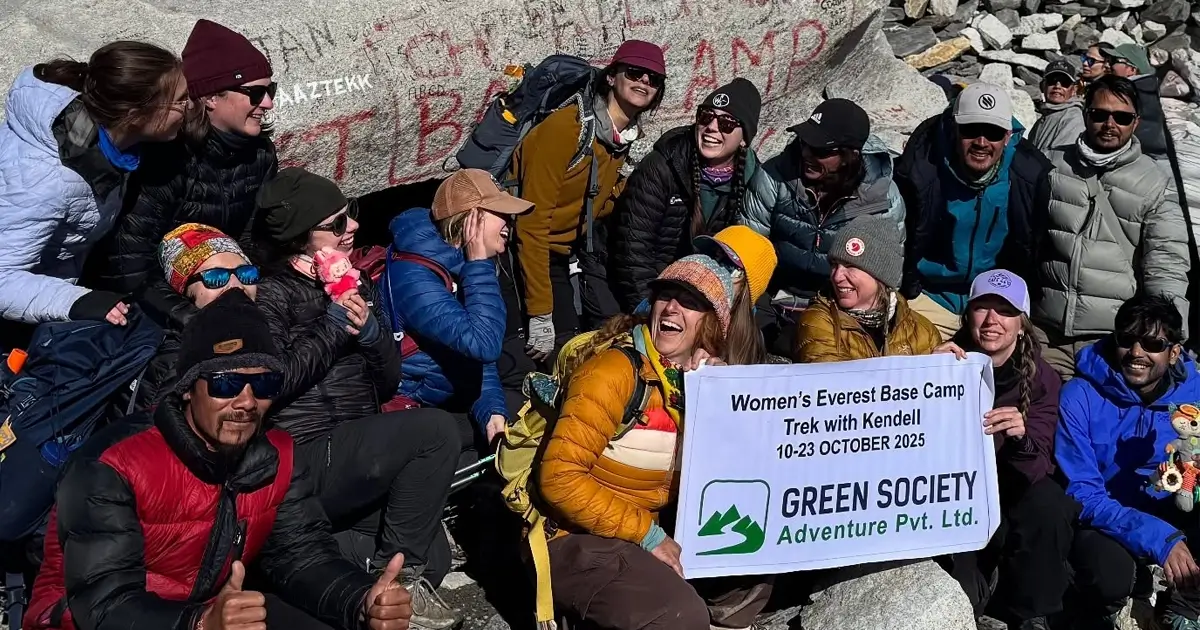
Happiness of Trekkers at Everest Base Camp(5364 m)
Which trek has better mountain vistas: Everest Base Camp or Gokyo Valley?
From the beginning of both EBC and Gokyo treks, you will enjoy distant Himalayan views, which become more breathtaking and closer as you gain altitude. You experience similar incredible panoramas, but in different ways. While you get a face-to-face encounter with towering peaks and wondrous glaciers from the base of Mt. Everest, you are rewarded with jaw-dropping 360° views from Gokyo Ri.
You can have views of mountains such as Mt. Everest, Ama Dablam, Lhotse, Nuptse, Pumori, and Thamserku during the EBC trek route, and vistas of Mt. Everest, Lhotse, Makalu, and Cho Oyu during Gokyo Valley trekking.
Which trek is more difficult: Gokyo or Everest Base Camp?
Although both treks are usually considered moderate to challenging, you can also compare how they are different in difficulty levels due to several factors. The Gokyo Valley route becomes demanding while crossing glacial moraines and some steep sections that require subtle caution in such areas. Compared to Gokyo Valley, EBC Trek includes more trekking days, making you more exhausted.
In addition, higher altitude exposure near the foothills of Mt. Everest adds more difficulties at the time of climbing Kalapatthar. As a result, Everest Base Camp is more strenuous physically and mentally, and Gokyo is taken as more adventurous with less stress.
Which trek is better for beginners: the EBC trek or Gokyo Valley?
Novice adventurers can do both treks with proper preparation, gear, and the guidance of a license-holder Nepal trekking guide. In comparison, the Everest Base Camp route is more well-marked and structured with more facilitated teahouses and restaurants, but the Gokyo trek is a quieter one.
For those who want to enjoy nature from nearby with less crowd, the Gokyo Valley is perfect, as it provides a slightly off-the-beaten-path experience. While the EBC trek is a more beginner-friendly trail, both treks require adequate exercise, premium equipment, and proper acclimatization for a successful journey.
Beautiful view of sacred Gokyo Lake
Does Gokyo have better acclimatization than Everest Base Camp?
Most reliable travel and trekking agencies, including ours, have crafted each trek’s itinerary strategically, following "climb higher, sleep lower." Nevertheless, the Gokyo Lake trek follows a gentler elevation gain profile, preventing the risk of acute mountain sickness (AMS). Staying at Machhermo (4470 m), one of the highest settlements of the Khumbu region before Gokyo Village (4790 m), is also part of acclimatization. In addition, a side hike to Gokyo Ri (5357 m) and then a return to Gokyo village allow you to enjoy the journey with natural well-adaptedness.
But your health condition may become critical on the EBC trek as the trek takes you to Gorakshep (5160 m) first after Lobuche. Without resting for a day at Gorakshep, high and the last village before the base of Mt. Everest, you will reach the base camp and return to it for a night. While climbing higher and also sleeping at height, you may experience altitude sickness. As a result, Gokyo Valley is considered a safer and more serene route with gradual ascents and descents.
Which trek has a higher success rate – EBC or Gokyo?
Even though the Gokyo Valley Trek is a less explored one, this trek has a relatively higher success rate while comparing to the EBC trek due to a more gradual elevation profile and better acclimatization. Like described above, gaining altitude at a smoother pace will not make you more exhausted, and Gokyo Ri becomes more attainable with less effort.
Whereas the Everest Base Camp route’s itinerary forces trekkers to cover more distances in a day. Rapid elevation gain increases the possibility of experiencing symptoms of altitude sickness. Its symptoms, such as headache, dizziness, nausea, sleeping difficulty, chest tightness, and shortness of breath in thinner air, will make the EBC trek unsuccessful. In such situations trekkers have to return to Kathmandu with the rescue team.
Can you combine Everest Base Camp and Gokyo Valley Trek?
Yes, you can combine both routes and enjoy highlights of both routes at once. Although there are several packages via distinct alpine passes, the Everest Base Camp and Gokyo Lake trek via Cho La Pass can be an iconic one, which is completed within 15 to 19 days, covering almost 130 to 135 kilometers (80 to 84 miles). Covering an average distance of 9 to 11 kilometers within an average duration of 5 to 6 hours is both challenging and rewarding for you.
The trek is ideal for seasoned climbers/trekkers since the trail passes via some risky zones. The trek includes landslide-prone areas, possible avalanche areas, and reaching high-altitude, mountainous landmarks like legendary Everest Base Camp, Kalapatthar, and Gokyo Ri at a time. This extended hiking route will give you incredible memories that last long.
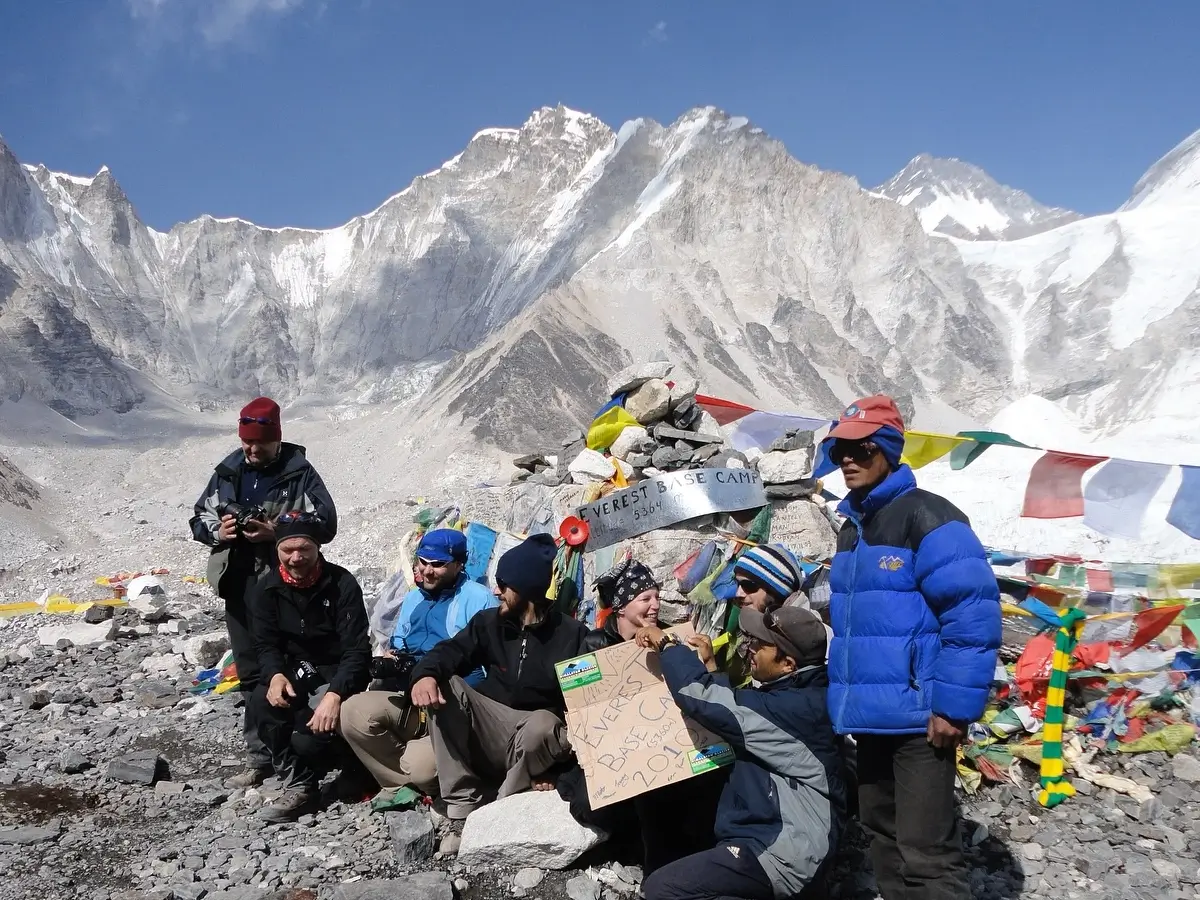
Another team at Everest Base Camp
Which Everest route is more affordable: EBC or Gokyo Valley Trek?
Before comparing the cost of the Everest Base Camp and Gokyo treks, you should consider elements that directly influence individual expense on the trip. Distinct factors, including the chosen trekking company, lodges, meals, services, guide, porter, and the trek's impact on the total cost of the Himalayan trek. Comparatively, the Gokyo Valley trek of 11 days is more affordable because of less demand. Nevertheless, it is possible to make both the Everest Base Camp trek and the Gokyo Valley trek cost-effective.
Choosing local companies, hiring guides and porters in a group, adjusting to simple teahouses, and renting trekking equipment will help you to maintain unnecessary expenses. Generally, cost could be almost identical, but Gokyo trekking is cheaper because of shorter duration and slightly cheaper teahouse rooms.
What permits are required and how do you access the EBC and Gokyo Valley treks?
Both treks do not fall under restricted areas but need to obtain a Khumbu Pasang Lhamu Rural Municipality permit along with a Sagarmatha National Park entry permit instead of a Trekkers' Information Management System (TIMS) card. The chosen trekking company will proceed with these official documents for Everest Base Camp and Gokyo Valley treks before you arrive in Nepal.
The Sagarmatha National Park entry permit is obtained either from the Nepal Tourism Board Office in Kathmandu or at the entry gate in Monjo. However, the other permit required for entering the local government area can only be obtained after reaching Lukla or Monjo. Just focus on the preparation, as our experienced guides of Green Society Adventure handle every logistic.
What kind of meals and accommodations are on the routes of Everest Base Camp and Gokyo Valley?
Up to Namche Bazaar, trekkers find similar food items since both share the same trail. While we ensure safer and more comfortable accommodations together with healthier food, you find slight differences between the foods and lodges on the EBC trek and the Gokyo trek. Nevertheless, the Everest Base Camp route offers a broader selection of foods and more upgraded teahouses because of its high demand, whereas the Gokyo Valley route has more tranquil villages with basic lodges yet comfortable rooms.
Although menus are simple, you find the food-making process hygienic and nutritious, like on the EBC route. The most common meals, such as lunch and dinner, are “Dal and Bhat,” which includes steamed rice, lentil soup, seasonal vegetables, pickles, and salad. Since this type of meal provides balanced nutrients (carbohydrates, protein, and vitamins), there is also a saying, “Dal Bhat power, twenty-four hours.” Most restaurants and teahouses also offer some Western and Tibetan food items such as pizza, pasta, omelets, sandwiches, momos/dumplings, chow mein, Thukpa, etc.
Which trek is better in winter (December to February)?
The freezing temperatures in winter do not only increase the risk of cold-related health issues such as hypothermia, frostbite, cold stress, and respiratory infections (colds or flu) but also make it difficult to navigate icy and snowy trails. Since Gokyo Valley has several lakes, majorly five Gokyo Lakes (Gokyo Cho (Dudh Pokhari), Thonak Cho, Gyazumpa Cho, Tanjung Cho, and Ngojumba Cho), they also get frozen and make the trip riskier than Everest Base Camp.
However, the harsh, cold atmosphere of Everest Base Camp, up to -20°C at night, is also challenging but still more trafficked during this time than the Gokyo trail. To avoid critical health problems or the possibility of returning midway due to major trail blockage or repairs, we suggest embarking on both treks during peak seasons (spring and autumn).
These seasons are considered more ideal compared to monsoon (June to August) and winter because of moderate temperatures and pleasant weather. While spring is a paradise of blooming flowers, autumn is renowned for the best Himalayan views and some national festivals like Dashain, Tihar, and Chhath.
Namche Bazaar, the settlement on both Gokyo Valley Trek and Everest Base Camp Trek
Comparison Table: Gokyo Valley Trek vs. Everest Base Camp trek
Feature
Gokyo Valley Trek
Everest Base Camp Trek
Maximum Altitude
5357 m
5644 m
Difficulty level
Moderate to Challenging
Moderate to Challenging
Scenery Style
Extensive vistas of multiple 8000 m mountain
Close-up vistas of Mt. Everest, other Himalayas, and glaciers
Major highlights
Crystal clear Gokyo Lakes and Gokyo Ri vantage point
Everest Base Camp and Kalapatthar
level of crowd
Less crowded, serene trails
More famous all over the world and busier trails
Experience on trail
Quiet villages, and off-the-beaten trail
Vibrant paths, well- marked trails, and well-established teahouses
Popularity
Less commercialized
Globally popular Everest Route
Suitable for
Who love photogrphy and more peaceful route
Who want to follow routes to Mt. Everest, and experience steep climbing along with rewards
Key mountain seen
Everest, Lhotse, Makalu, and Cho Oyu
Everest, Nuptse, Lhotse, Pumori, and Ama Dablam
Acclimatization
Gradual ascent, easier for adaptation to the nature
Faster elevation gain and risk of acute mountain sickness
Lodge
Simple but peaceful accommodation
More developed accommodation with more variety of food
Conclusion
To sum up, which one is better—the Everest Base Camp trek or the Gokyo Valley trek—from your point of view? It totally relies on you to choose, but we suggest Gokyo trekking if you want better acclimatization, less crowding, crystal-clear lakes, and panoramic vistas of mountains. However, select Everest Base Camp if you want to test physical endurance, have more facilities, and love hiking by meeting more adventurers from all over the world.
If you have more days of vacation, select a combined route (EBC trek and Gokyo trek via Cho La Pass). We can also arrange for both treks, respectively. If you really want to check whether the Gokyo or EBC trail wins trekkers' hearts, starting the trek from Gokyo and then returning for Everest Base Camp is the perfect choice. If you are still confused, then contact us on WhatsApp or send an email; we will help you pick the best among Everest region routes for your next Himalayan odyssey in Nepal.
FAQs
Which trek needs more expensive travel insurance: the Everest Base Camp or the Gokyo Valley trek?
Considering the difficulty level of both the Everest Base Camp trek and Gokyo Valley trek, do not compromise while purchasing travel insurance. Choose a trustworthy insurance company, and ensure that policy includes helicopter evacuation upto 5000 m, expenses for hospital (treatment and medication), trip or flight cancellation, and personal gear loss/damage/theft.
Can you trek to the Gokyo Valley trek without a guide?
No, you can not trek to both EBC and Gokyo Valley without an experienced trekking guide because of not only legal processes but also safety matters. Even though guides have no detailed map, direction tools, or updates of weather forecasts, they can lead to destinations safely with many years of experience.
A seasoned guide knows trail conditions, weather patterns, and the geographical structure of the route, not allowing you to go through any challenges. Therefore, hiring a guide and local porters is key to successful Himalayan journeys.
Is the Gokyo Valley Trek safer than Everest Base Camp?
Yes, the Gokyo Valley trek is considered safer than Everest Base Camp, but both require proper preparation.
Does the Everest Base Camp Valley Trek have technical climbs?
No, the EBC trekking route does not have parts that involve technical ascents. As a result, you do not need advanced exercises; learn mountaineering skills as well as use equipment like ice axes and ropes.
Can I get to a hospital near the Gokyo Valley and EBC trails?
Yes, you will see more facilitated hospitals at Namche Bazaar but find only a few health posts after it with limited services. However, you do not have to worry about well-being because our trained guides carry a first aid kit that has bandages, ointment, and medication related to AMS. You get primary treatment by our guides in case of unpredictable incidents on uneven paths, and then they contact the rescue team for further healing.
Raj Kumar Khadka
Raj Kumar was born and raised in the mountain town of Gorkha. He is an enthusiastic traveler who enjoys discovering new places. His passion for exploration knows no bounds, driving him to seek out new trails and experiences. He has successfully traveled and explored most of the trekking routes in Nepal, mastering their intricacies.
Raj Kumar started his career as a guide at the end of the year 2006. His dedication to this field has been unwavering, surpassing 17 years and counting. He established his own company, Green Society Adventure, in 2013, fueled by his expertise and entrepreneurial spirit. He has a vision to share the beauty of Nepal’s landscapes and cultures to the world. As both a guide and a leader, he inspires people to explore the world with curiosity and respect.