Mardi Himal Trek - 7 Days

Trip Facts
  • Duration:7 Days
  • Difficulty Level: Easy
  • Destination: Nepal
  • Max. Altitude: 4500 meters
  • Start at: Kathmandu
  • End at: Kathmandu
  • Group Size: 1 - 24
  • Best Season: Spring(March to May) and Autumn(September to November)

Highlights

  • A scenic drive to Pokhara City and quality time around Phewa Lake. 
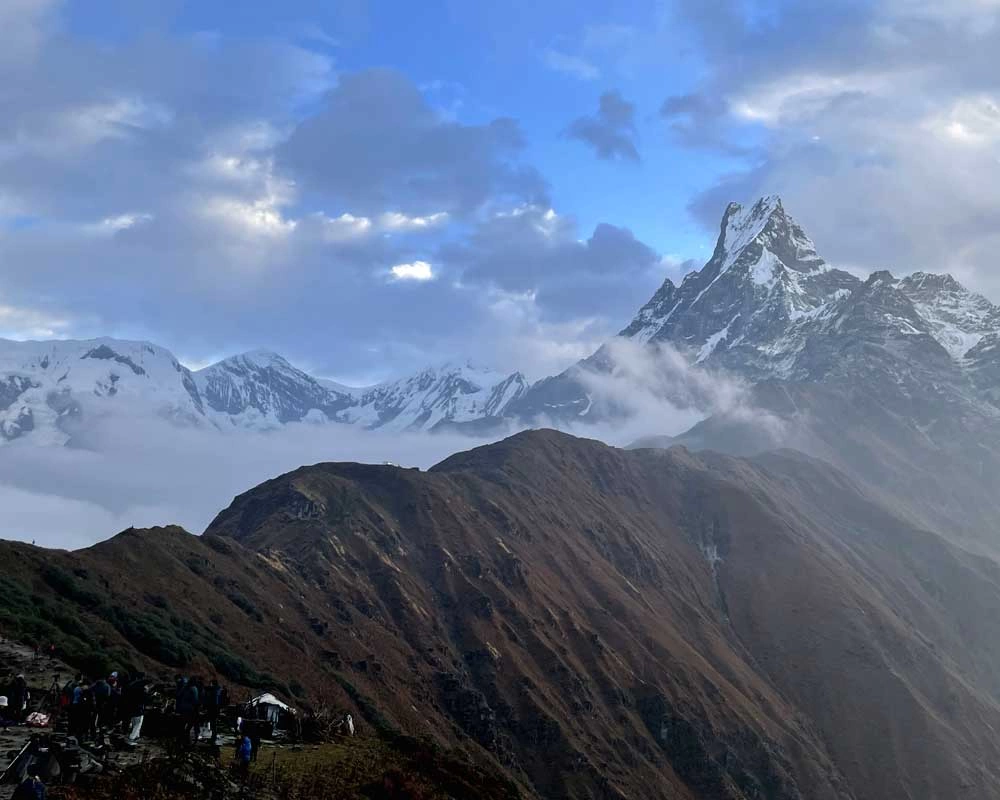
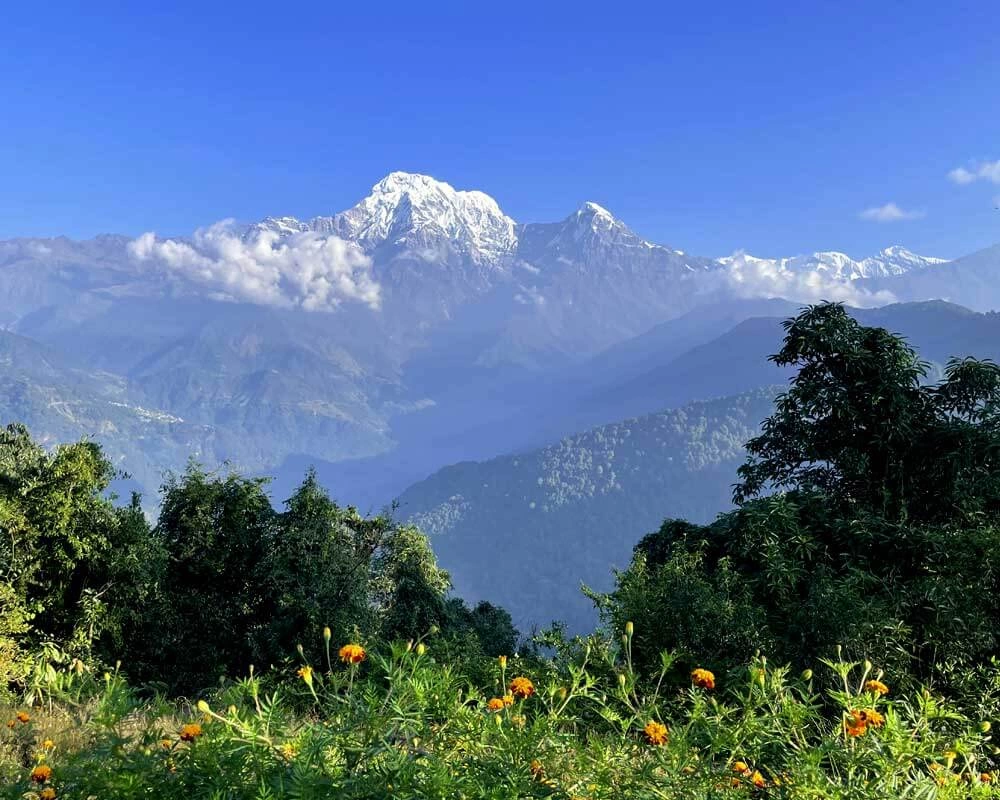
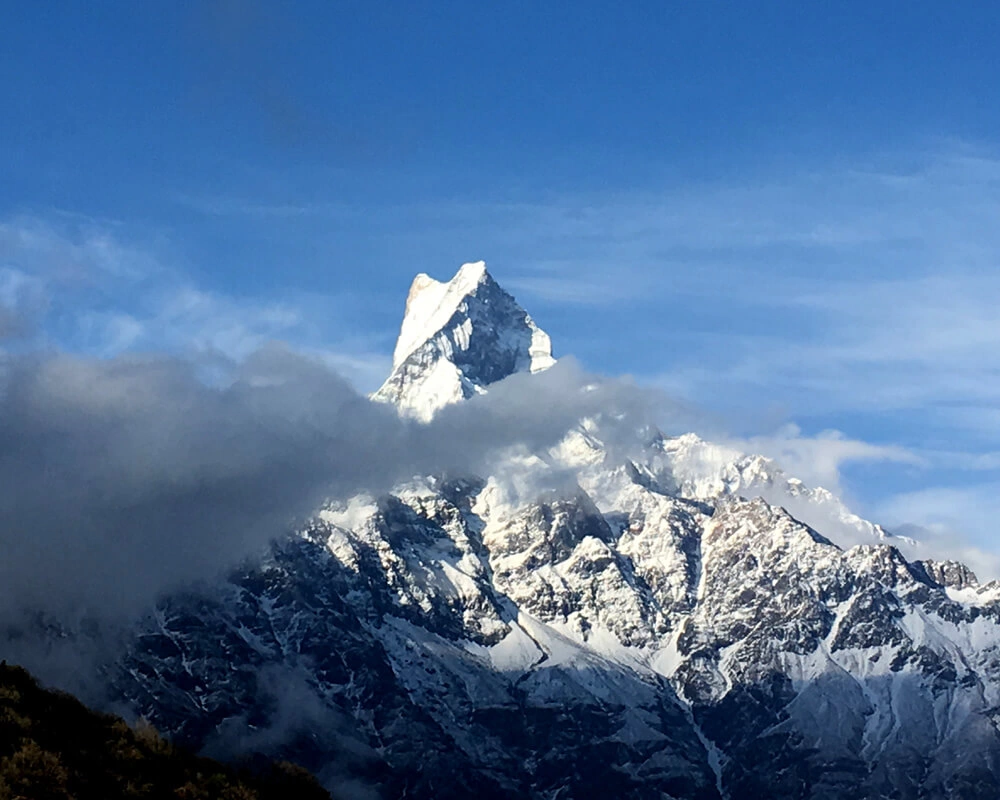
  • Breathtaking panoramas of the Himalayas such as Machhapuchhre (Fishtail) (6,993 m), Annapurna South (7,219 m), Annapurna I (8,091 m), Hiunchuli (6,441 m), Gangapurna (7,455 m), Annapurna III (7,555 m), Lamjung Himal (6,983 m), and Manaslu (8,163 m).
  • Experience climbing a mini mountain while heading to Mardi Himal Base Camp (4500 m) via rugged terrain and alpine landmarks. 
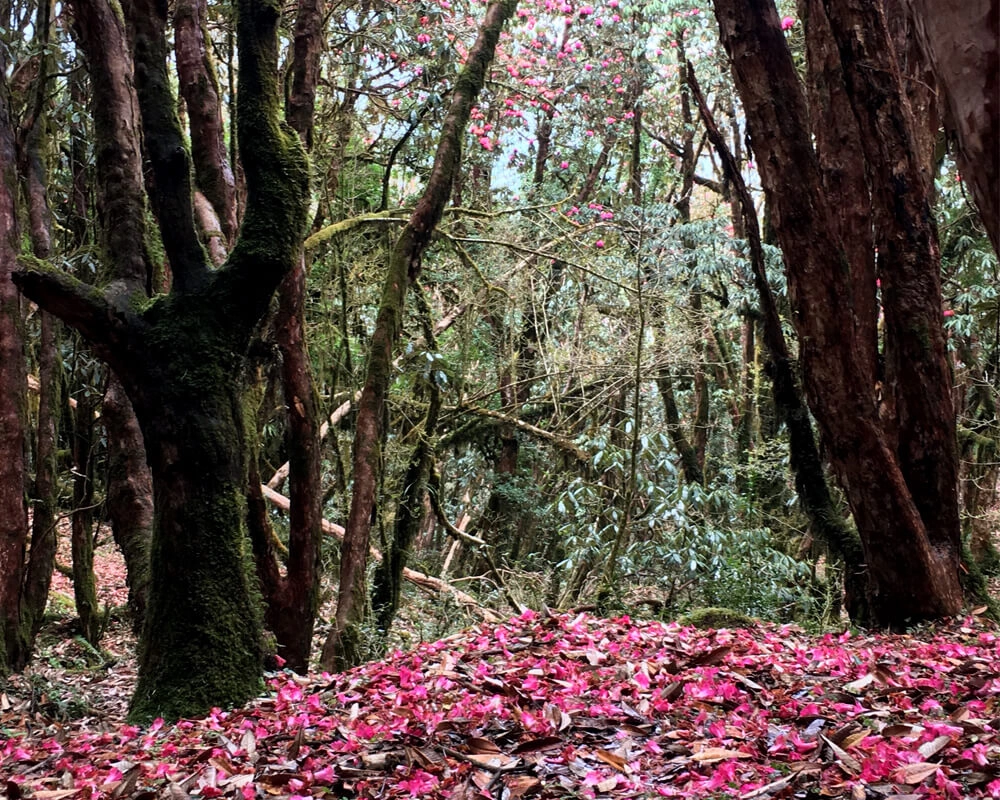
  • Enjoy walking through forests of rhododendrons, oaks, and bamboos; get an opportunity to spot rare wildlife. 
  • Immerse yourself in the cultures of local communities such as Gurung and Magar, along with their warm hospitality as well as delicious meals. 

The Mardi Himal Trek is one of the shortest yet fulfilling Annapurna region routes that takes you to the base of Mt. Mardi Himal at an elevation of 4500 m. From guideseeing to awe-inspiring scenery from the beautiful Gurung village of Dhampus, some challenging parts in high settlements become really indelible. For trekkers searching for family-friendly, cost-effective, and enjoyable trekking within a week, this is for you. 

The Mardi Himal Trek is a popular and scenic route in the Annapurna region, at the bottom of Mt. Machhapuchre (Fishtail—6997 m), which generally starts from Dhampus, Kande, or Phedi and ends at the villages of Siding or Lumre. Trails adorned with rhododendron forests, taking you to the base of Mardi Himal, are gaining popularity rapidly among youngsters. A golden opportunity for a mini mountain climbing experience and taking great pictures of mountain giants during the trek is truly incredible.

Since this route officially opened for hiking in 2012, it has been less popular than the Annapurna Base Camp (ABC) and Annapurna Circuit treks but is becoming a favorite destination for people of every age and fitness level because of its short and well-marked trails. In a peaceful environment, you have broader space to enjoy the charm of nature, although its highest point is lower than that of the ABC trek.

If you are searching for a trek that can be completed in a week but is truly worthwhile, hurry up and determine your next destination, as booking for the 7 days Mardi Himal Trek 2026 and 2027 is now open.

What can you expect during the Mardi Himal Trek? 

Expect boundless happiness due to surprises at every step while exploring diverse landmarks, including traditional villages. Walking above 2500 m from sea level, tackling the thin air of mountains is quite challenging but worthwhile, giving you lifetime memories. 

Traditional Villages and Local Lifestyle

Several villages alongside the Mardi Himal trail are mainly dominated by ethnic groups like Gurung and Magar. While preserving cultural heritages for centuries, locals are also serving tourists with warm hospitality, fresh Himalayan cuisines, and comfortable accommodations. Terraced farmlands of crops, stone houses, animal husbandry, and their own attire present the typical lifestyle of Annapurna’s remote areas. 

Learn the history of distinct places, which are significantly popular for nature and culture. Numerous families have a historic bond with popular Gurkha regiments, so listen to their stories behind bravery. Traditional agricultural practices, local folk songs, dances, sacred sites, unique rituals, and festive activities are other highlights of traditional settlements. During this trip, you will have deep insight into Buddhism and Hinduism, as you will find some Chhetri and Brahmin people in villages.

Forest Trails, Changing Landscapes, and Mountain Views

Unlike the EBC route, every Annapurna region trek offers you to walk through subtropical forests to more alpine landscapes with majestic mountain views. Mostly you will find forests of rhododendrons, oaks, and bamboos and occasionally spot rare animals such as leopards, musk deer, Himalayan langurs, Himalayan tahrs, and barking deer. 

Since the trek is held inside the Annapurna Conservation Area, the chance of spotting such wildlife is high, and you can capture their photographs on your camera or enjoy observing their activities. As the terrain becomes more mountainous, you will find alpine meadows and start savoring the beauty of the Himalayas from closer. 

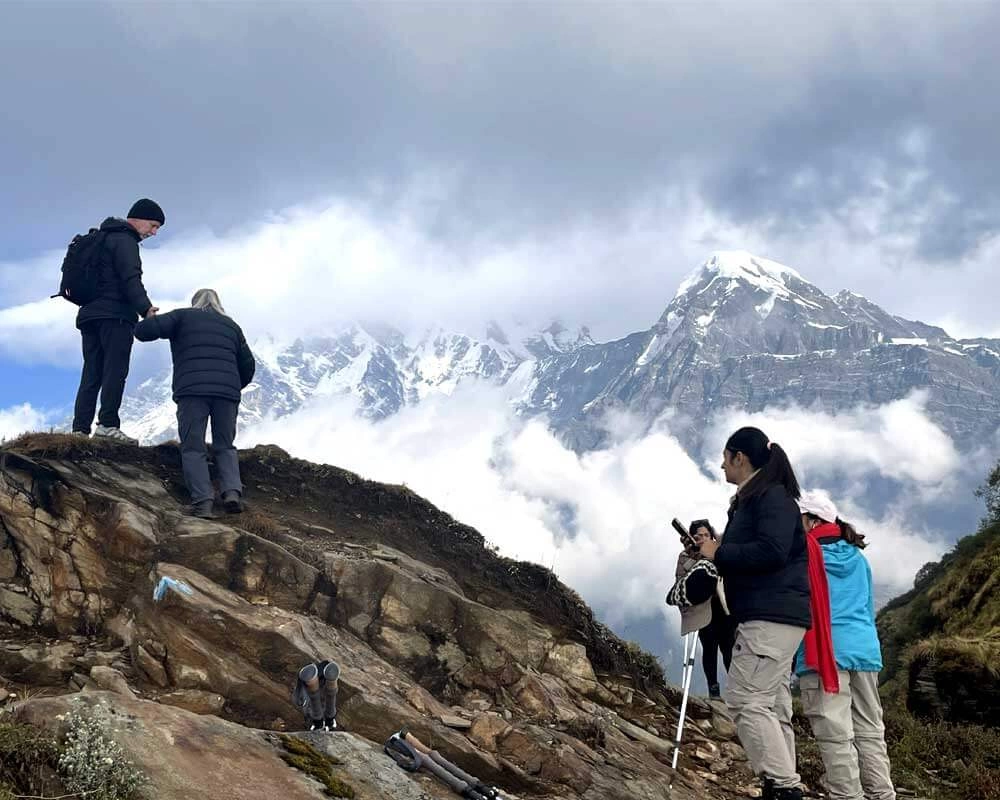
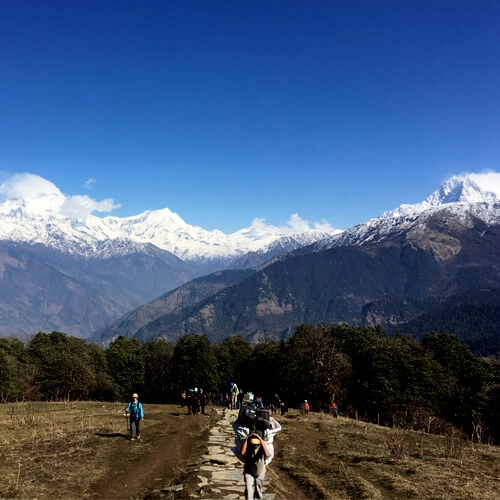
From different vantage points like Dhampus, Low Camp, High Camp, and Mardi Himal Base Camp, you have Machhapuchhre, Annapurna, Hiunchuli, Mardi Himal, Lamjung Himal, Dhaulagiri, and Nilgiri. 

Is the 7 days Mardi Himal Trek safe for you?  

This Annapurna trail reaches up to 4500 m, higher than the Annapurna Base Camp, and is considered quite difficult due to steep ascents and descents with rapid elevation gain. However, the trek is safer for novice trekkers, all family members, and hikers with basic fitness levels with quality equipment, proper preparation, and gradual climbs.

Clear signboards, well-maintained paths, and comfortable teahouses make this trek suitable for all hikers, although some sections are demanding and the chance of acute mountain sickness is higher. For a safer trip, a guide plays a vital role, reducing unforeseen circumstances on the way. 

How much does the Mardi Himal Trek cost? 

The total cost of the Mardi Himal Trek depends on the chosen company, itinerary, and services (accommodation, meals, guides, and transportation) you prefer during the trek. Choosing a local trekking agency and traveling in a group is generally more affordable than booking with national or international companies as a solo trekker. Since budget planning is also a core part of this week-long trip, observe the included and excluded points below in the cost details. The trek remains affordable compared to longer trekking journeys, making Mardi Himal a budget-friendly destination in the Annapurna region.

How many km is the Mardi Himal Trek? 

After a thrilling drive to Dhampus, walking distance will be counted. The total Mardi Himal trek distance is 37 to 46 km since the trekking days are only 4 days, with an average hiking distance of 9 to 11 km per day and an average duration of 4–6 hours. We have provided a table of routes, daily trek distances, and durations as follows:

Day RouteDaily walking Distance Duration Elevation
1Drive from Kathmandu to Pokhara, and Explore around Phewa Lake-6 hours 822 m
2Drive from Pokhara to Dhampus, and then trek to Forest Camp10-12 km1 hour's drive and 5-6 hours trekking2500-2600 m
3Forest Camp-Low Camp/Badal Danda8-10 km5-6 hours 2970-3210 
4Low Camp/Badal Danda—High Camp 5-7 km3-4 hours 3550-3600 m
5High Camp—Mardi Himal Base Camp/Viewpoint and then trek to Siding14-17 km 7-8 hours 1700-1850 m
6Drive from Siding to Pokhara. -2-3 hours drive822 m
7Drive from Pokhara to Kathmandu-6-hour drive1350 m

Why is the 7 days Mardi Himal Trek itinerary the best? 

For the same destination, Nepal trekking companies have distinct packages for 2026 and 2027. Our 7-day Mardi Himal trek can be the most iconic option because of its short yet more comfortable schedule, with enough time to adapt to the environment of low oxygen levels. Not only are there challenging walks, but you also have cultural immersion during the trek. While some packages are activated from Pokhara, ours starts from Kathmandu, allowing you a scenic 4WD by private vehicle or deluxe AC bus alongside the Trishuli River.

Reaching the beautiful city of Pokhara, 200 km away from the Kathmandu Valley, becomes part of the relaxation before the Himalayan trip. After resting for a while, explore Lakeside around Phewa Lake, where you can enjoy a peaceful atmosphere. Further ahead, you will climb gradually to Mardi Himal Base Camp, traversing Dhampus, Forest Camp, Low Camp, Badale Danda, and High Camp. After delving into the Himalayan environment for a few days, you will drive back to Pokhara from Siding Village, remembering the best moments at Mardi Himal Base Camp.

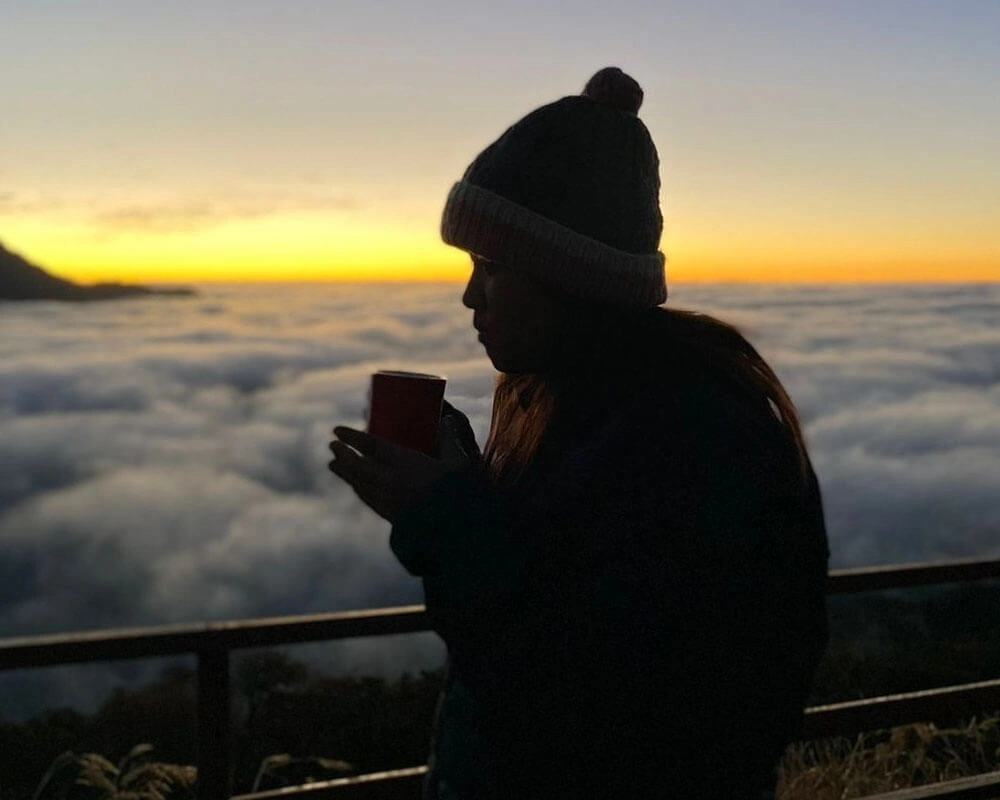
A sunrise view over the mountains creates dramatic scenery for photography. On the sixth day, you have a leisure day, allowing yourself time to rest after high-altitude trekking. During this period, you can also visit distinct places like David's Fall, Mahendra Cave, Sarangkot, and White Gumba for refreshment. Since the itinerary is crafted by our professional travelers, ensuring all trekkers' fitness levels, safety, and rewarding experiences, it is suitable for both first-timers and seasoned trekkers.

Can you extend the Mardi Himal Trek 2026?  

Adventure seekers often search for “How long does the Mardi Himal trek take?” and "Can it be extended or combined with other Annapurna treks?” The answer is yes, it is possible to extend in different ways. While some trekkers can add more days for acclimatization or exploration at Dhampus or Australian Base Camp, others seek to enjoy extra days in Pokhara city for exploration, sightseeing, and outdoor activities like paragliding, bungee jumping, etc. 

Since this 7-day trek’s route is shared with the ABC or Ghorepani Poon Hill Path, it is possible to extend towards these destinations for more natural and cultural discovery in 2026/2027. Each of our itineraries is customizable based on your choices. As a result, you have to inform earlier to manage logistics for a smoother trip. 

Why Green Society Adventure for the Mardi Himal trek? 

Are you a first-time traveler to Nepal and searching for the best trekking company to complete your dream trek? Then, you are in the right place, as we at Green Society Adventure have been assisting trekkers, climbers, and adventurers by sharing travel tips and conducting trekking in different regions, including the Mardi Himal trek, for thirteen years. Every traveler who connected with us had really unforgettable experiences with our experts, whether it was a challenging destination like the Manaslu Circuit or Kanchenjunga trekking or easier trekkings like the Langtang Valley or Ghorepani trek. 

Booking a trip with us means ensuring safety and the best encounter since our team helps you from the payment method to planning the trekking effectively and completing it in an easier way. Our services, hospitality, and provided equipment are unmatched by other trekking agencies. We believe in sustainable tourism in Nepal and help travelers have better experiences in the Himalayas at every phase.
Itinerary
Expand AllCollapse All

If you are not satisfied with our trip plan, we can customize the trip to suit your interests and help you make it fit your budget.

The package gets activated when you are ready to head towards Pokhara, leaving Kathmandu Valley after having breakfast. A drive becomes really enjoyable with fellow trekkers and a guide, observing the magnificent scenery of lush forests, hills, and traditional settlements. After reaching Pokhara, get into the hotel and stroll around Phewa Lake or go cycling as you rent a bicycle. 

Boating is also an option to be a relief and enjoy the serenity of the lakeside's atmosphere. Taste delicious local foods at restaurants and also purchase missing equipment for the next day’s trekking.

  • Max. Altitude:820 m/2690 ft.
  • Accommodation:Hotel
  • Meals:Breakfast

Wake up early in the morning with excitement, and then have a breakfast with views of the sunrise. Short drive to Dhampus, a beautiful Gurung village that is popular for its traditional Gurung museum and homestays. Exploring the settlement for a while, head towards Forest Camp for an overnight stay. In the first phase, walk on stone steps that lead to Pothana, a famous checkpoint of the Mardi Himal Trek, where trekkers also love pausing for a night due to the peaceful environment.

Proceed on the journey to Deurali through lush forests of rhododendrons and oaks, and start climbing uphill alongside forest ridges. The paths become more tranquil but rewarding with occasional views of Machhapuchhre (Fishtail). Finally reach the destination, a popular stop, located in the middle of forests with basic but comfortable teahouses.

  • Max. Altitude:2550 m/8364 ft.
  • Accommodation:Teahouse
  • Meals:Breakfast, Lunch, and Dinner

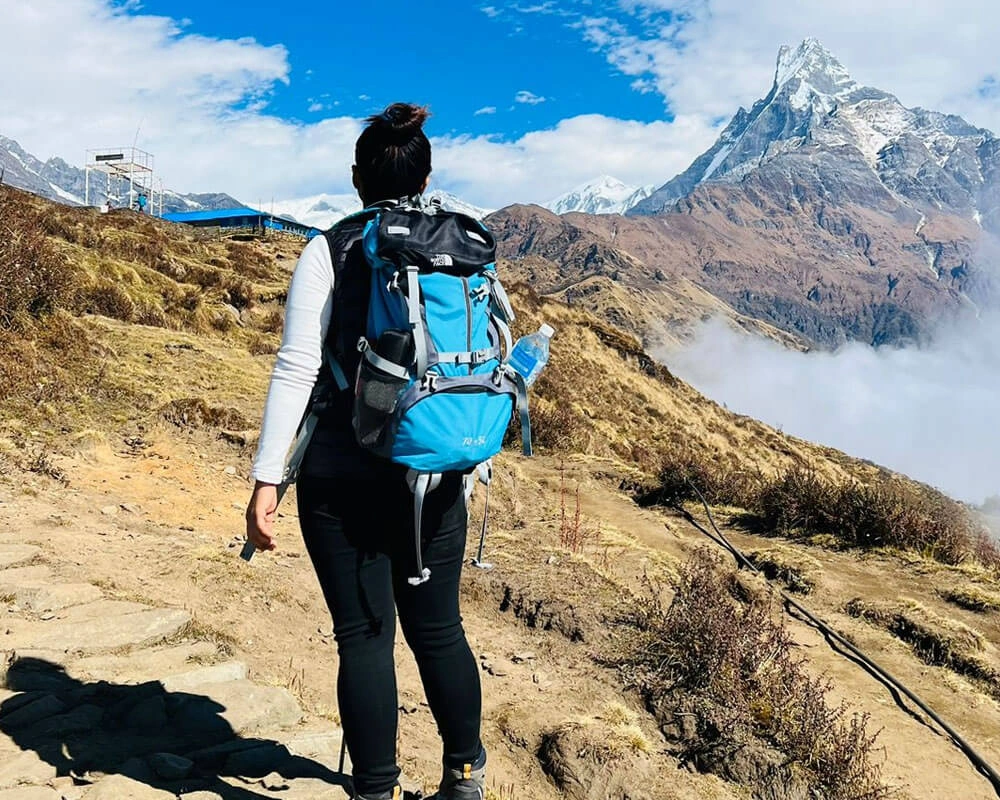
Depending on the 7-day Mardi Himal Trek, the guide will help you in navigating the trail to Low Camp at first, traversing via Middle Camp (2700 m). Today’s hiking becomes quite challenging due to some steep paths, but you will enjoy seeing the transformation of landscapes from dense subtropical to alpine woodland, where plants like ferns, mosses, and lichen also seem vibrant. From Low Camp, you can enjoy the best view of Machhapuchhre and capture breathtaking scenery on camera.

The guide will check the weather forecast and inform you earlier. If you are able to trek for 1 and a half more hours to Badale or not. While Low Camp also provides awe-inspiring vistas, Badale Danda (3300 m) is a more open ridge-top settlement that offers breathtaking panoramas of mountains and clouds. 

  • Max. Altitude:3050 m/ 10004 ft.
  • Accommodation:Teahouse
  • Meals:Breakfast, Lunch, and Dinner

Today’s journey is short but quite demanding, as you will gain approximately 850 m elevation in a day. You need to ascend to a higher landmark steadily with cautions to avoid altitude sickness or injury. To reach Mardi High Camp, you will pass by some settlements like Majhi Danda and Nangge Danda. When you reach nearby destinations, you see more alpine vegetation and closer views of mountains such as Mt. Machhapuchhre and Mardi Himal. 

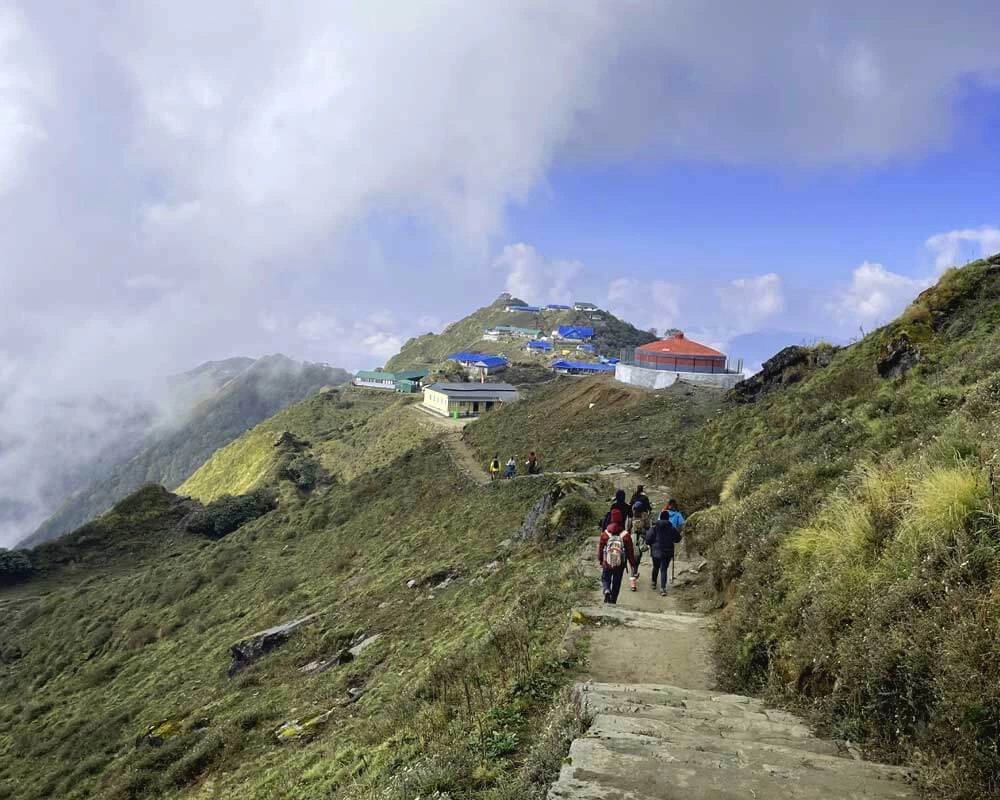
A few simple teahouses of High Camp provide you warm hospitality along with mind-blowing surrounding scenery. You can either take a rest at the teahouse or stretch your legs with exploration as a part of acclimatization before heading to the Mardi Himal Base Camp the next day.

  • Max. Altitude:3900 m/ 12792 ft.
  • Accommodation:Teahouse
  • Meals:Breakfast, Lunch, and Dinner

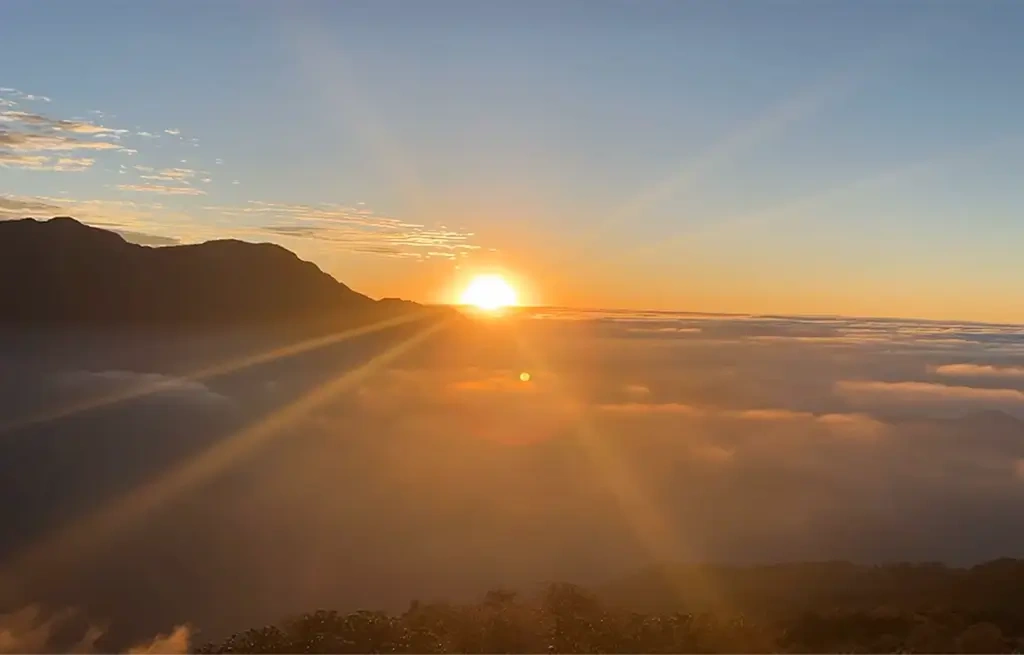
Today is the most anticipated day of the Mardi Himal trek as the trail takes you to the base of Mardi Himal. Since the sunrise view is popular, you will start your journey before daylight, using head torches. While standing there, having spectacular panoramas of Annapurna (8091 m), Annapurna South, Hiunchuli (6441 m), Mardi Himal, and Machhapuchhre (6997 m). Click photos of scenes, especially when the golden rays of the sun illuminate the surrounding Himalayas. 

The next target is to hike to Siding Village for an overnight stay. Therefore, head down to High Camp after spending quality time for a while. The journey is slightly easier than the previous days because of more descending trails. Passing by Low Camp and Middle Camp, reach the day's destination after a downhill hike of about 4 hours.

  • Max. Altitude:4500 m/ 14760 ft.
  • Accommodation:Guest House
  • Meals:Breakfast, Lunch, and Dinner

With memories of Himalayan trails, about two hours of driving takes you back to Pokhara. Check into a deluxe hotel near the lakeside to enjoy a peaceful environment, quite far from busier markets. As you have a leisure period on this day, you can either relax by walking around lakesides or go on an exploration of Pokhara city. 

Pokhara is famous for tourist areas and other attractions. You may like visiting popular destinations such as Sarangkot, Davis Falls, Gupteshwor Cave, Begnas Lake, Seti Gorge, World Peace Pagoda, Gurkha Museum, International Mountain Museum, Bindhyabasini Temple, and Old Bazaar. During the discovery, you can do outdoor activities like paragliding, ziplining, ultralight flights, and bungee jumping.

  • Max. Altitude:820 m /2690 ft.
  • Accommodation:Deluxe Hotel
  • Meals:Breakfast

Leaving the Annapurna region, determine a thrilling travel of six hours to the capital city, rich in culture, nature, and adventure along with modern technology and advanced facilities. In your free time, you can also visit nearby historically and culturally significant places like Swayambhunath, Boudhanath, Pashupatinath, or the Durbar Squares.

Purchase souvenirs and other needed things in bustling markets like Asan Bazaar, Lagan Khel areas, and Thamel. Sharing each other's experience on the Mardi Himal trekking route, enjoying a wonderful farewell dinner organized by our team of Green Society Adventure.

  • Max. Altitude:1320 m / 4330 ft.
  • Accommodation:Deluxe Hotel
  • Meals:Breakfast and Farewell Dinner
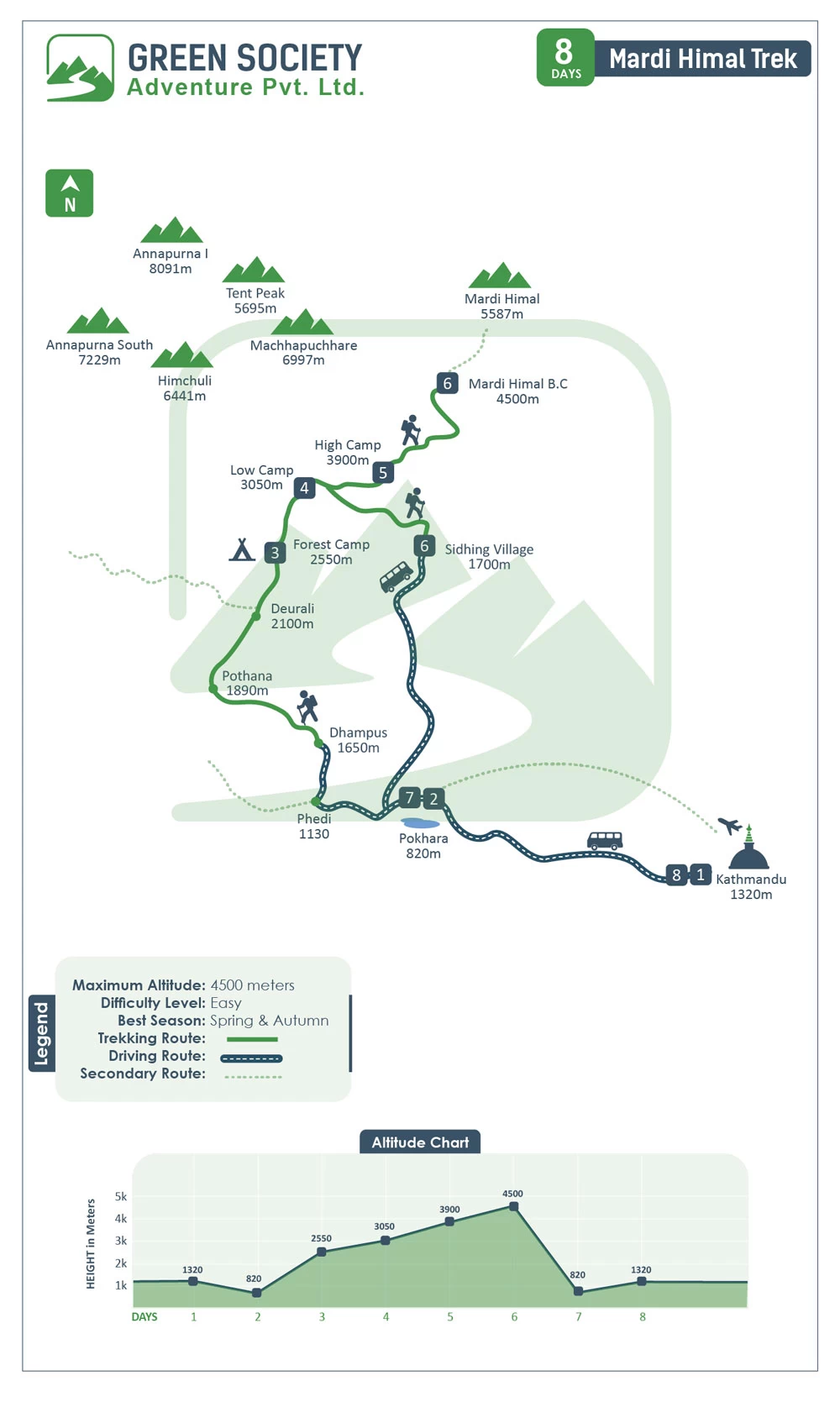
Route Map
Mardi Himal Trek - 7 Days map
Cost Details
Includes
  • Free airport and hotel transfers as per itinerary in private vehicle
  • One night hotel in Kathmandu and two nights in Pokhara on twin-sharing Basic with breakfast.
  • Kathmandu – Pokhara – Kathmandu transportation by tourist bus (optional flight or a private vehicle can be arranged at an extra cost).
  • Pokhara to Dhampus and Siding to Pokhara transportation by Local Jeep.
  • Full board meals: (Breakfast, Lunch, and Dinner) during the trek.
  • Teahouse or Lodges accommodation during the trek.
  • Seasonal fresh fruits as dessert every evening after dinner during the trek.  
  • An experienced English-speaking trek leader (trekking guide).
  • All salary, insurance, equipment, flight, food, drinks, and accommodation for the guide and porter. 
  • Assistance guide for the group of 8 or above. 
  • Green Society Adventure's complimentary free route map, and duffle bag (if needed)
  • All necessary paperwork and Annapurna conservation area permits.
  • TIMS Card fee. 
  • A comprehensive medical kit
  • All government and local taxes and office service charges.
Excludes
  • Sherp porter to carry a backpack. 
  • Lunch and dinner in Kathmandu and Pokhara.
  • All bar bills along the trek.
  • Extra night accommodation in Kathmandu and Pokhara in case of early arrival, late departure, and early return from the mountain (due to any reason) than the scheduled itinerary
  • Travel and rescue insurance
  • Personal expenses (phone calls, laundry, bar bills, battery recharge, extra porters, bottle or boiled water, shower, etc
  • Tips for guides and porters.
Departure Dates
PLAN TRIP
Client Reviews
  • Patrick Donovan
    Patrick DonovanUnited StatesDecember 26, 2025

    Incredible Trek, Incredible Team - Mardi Himal trek with Green Society Adventure

    We had an incredible experience with Green Society Adventures on our trip to Nepal. From the very beginning, Raj was extremely communicative throughout the planning process, usually responding within a day, was incredibly helpful in walking us through what to pack, how many days to trek, and what else to do while in Nepal.

    Once we arrived in-country, everything ran seamlessly. Raj personally greeted us at the airport, and from that point on, the entire experience felt smooth and well-organized. We made a few changes to the original package—opting to fly instead of drive and choosing different accommodations than those included in the base itinerary—and Raj was incredibly accommodating, handling everything effortlessly.

    For the trek itself (we did mardi himal), Nabin was our guide, and we truly couldn’t have asked for better. He was attentive and thoughtful without ever being overbearing, set a great pace throughout the trek, and always made sure we were comfortable and knew what to expect each day. He has a wealth of knowledge he shared with us, too - about nature, politics, culture, photography... his support and insight really made the trip.

    The trek itself was absolutely incredible. Staying in teahouses was a really fun and memorable experience. It was definitely cold during the time of year we went, but we were fully prepared for that—both in terms of gear and expectations—thanks to Raj and Nabin.

    Overall, I would highly recommend anyone considering a trek in Nepal to work with Green Society Adventures. It was a true highlight of our trip and an experience I’m incredibly grateful for.

    TripAdvisor
  • K
    Kathleen O'DonnellUnited StatesDecember 10, 2025

    Amazing Mardi Trek with Incredible People

    If I could give 10 stars I would! To start, Raj was a great communicator and helped us pick out the perfect trek for our stay in Nepal. We always heard back from him in less than 24 hours answering all of our many questions. He picked us up at the airport and organized all of our hotels, making our arrival stress-free. 

    Next, we were introduced to our wonderful guide, Nabin. My favorite thing about Nabin is the incredible pride he takes in his work and how genuinely he cared about us. He went above and beyond throughout our trek, providing snacks, tea and getting us the best rooms in the tea houses. We looked around at some of the other groups that had guides and they were nowhere near as taken care of as we were. Hike-wise, Nabin set the perfect pace for us and was always paying attention to our exhaustion and hydration levels. Even once we finished the trek, he continued to take care of us and made sure we made the most of our time in Nepal. I could go on, but all I can say is use this place if you are looking for a perfectly planned trek! Thank you, Raj & Nabin!

    Google
Useful Information

When is the best time for the Mardi Himal trek? 

Each season has its own characteristics with pros and cons. Selecting the best period of the year is crucial to reach the base of Mardi Himal (5587 m), guaranteeing a safe and enjoyable journey. Although this 7-day trekking is achievable year-round, spring and autumn seasons are the most favorable times because of stable weather, moderate temperatures, and some festivals that fall during these periods. Some trekkers love trekking during spring, which begins in March and ends in May, to enjoy walking via green, lush forests full of blooming rhododendrons and spotting animals in their natural habitat.

Similarly, mountain lovers and photographers also choose autumn/post-monsoon (September to October) due to clear skies and dry trails. Off-seasons like monsoon (June to August) and winter (December to February) bring heavy rains and snowfalls, respectively, disrupting the trip and sometimes creating situations to return to Kathmandu from the mid-trail. Therefore, we conduct other treks like the Nar Phu Valley Trek, Upper Dolpo Trek, and Upper Mustang Trek,which are rain shadow areas, and you can enjoy them without risks of rain even in the monsoon. 

Those who want to enjoy snowfalls dare to embark on the Mardi Himal trek with caution and proper layered clothing and essential trekking gear. However, we suggest not planning for winter. If you suffer from cold-related problems very soon since the temperature drops to freezing, it makes it difficult for you due to the severe cold. 

How hard is the Mardi Himal Trek 2026 for trekkers? 

The difficulty level of any trek does not depend on a single factor. While considering the route’s trail condition, services at accommodations, topography, elevation gain, and weather, the Mardi Himal Trek is a moderate Himalayan odyssey in the Annapurna region, suitable for all kinds of trekkers. Symptoms of AMS may appear in trekkers above 2500 m but are manageable with gradual ascents and more cautions. 

Compared to other family-friendly trekking paths, the Mardi Himal Trek is harder than the Langtang Valley Trek, Everest View Trek, and Ghorepani Poon Hill Trek because of its narrower trails with steep ascents and descents. However, a physically fit hiker with a sound mindset can do it easily with preparation for a few weeks.

What kind of teahouses and meals are on the Mardi Himal trekking route? 

Annapurna routes are well marked, and so the accommodations are more facilitated due to proximity to Pokhara City and easy transportation. Since this 7-day Mardi Himal trek is a classic village lodge trek, expect simple but comfortable accommodation that provides a family-friendly environment. Expect cozy rooms with twin beds, clean bedsheets, pillows, blankets, and other basic amenities along with warm dining halls. Most teahouses have services of battery chargers, WiFi, and hot showers for extra payments. 

Since the teahouses are run by locals, you will get freshly cooked, hot foods that are prepared in hygienic kitchens. Although some international items are on the menu, “Dal Bhat” is a major meal for both lunch and dinner because it is more affordable as well as nutritious. You can refill rice as much as you want for enough energy for long walks. You get steamed rice, lentil soup, seasonal vegetables, pickles, and some salads, which is a perfect combination and easily digestible. 

Other dishes are chapati, toast, omelets, fried rice, momo, thukpa, pasta, noodles, chowmein, potato dishes, soups, and meat items. We do not recommend heavy and spicy foods during any Himalayan trip that may cause health issues.

Why do you need travel insurance for the Mardi Himal trek 7 days? 

After getting the answer to the question “How difficult is the Mardi Himal trek?" you might already have the reason behind obtaining travel insurance, even though it is not a mandatory document based on government rules. To guarantee your safety and prevent yourself from economic burden, we suggest you purchase travel insurance with the best policy. Ensure that the selected insurance consists of emergency helicopter evacuation above 4000 m.

In addition, the policy should not miss unpredictable conditions like flight/trip cancellation and personal belongings' loss, damage, or theft, along with trekking activities in the selected destination. Nobody knows what happens during the trip, even if you are fully prepared and accompanied by a seasoned guide. Travel insurance works as a safeguard, letting you enjoy the trek without the stress of difficult sections and treatment expenses in case of injury or suffering from symptoms of high-altitude sickness.

What permits are needed for the Mardi Himal trek 2026 and 2027? 

In the Mardi Himal Trek, you will pass through various checkpoints like Dhampus, High Camp, and Siding. You have to prepare some official papers as per the rules and regulations of the Nepalese government for travel and tourism. As a result, attaining a TIMS (Trekkers Information Management System) card and an ACAP (Annapurna Conservation Area Project) permit is compulsory for this trekking. These documents are regulated to control crowds and monitor trekkers throughout the journey, ensuring each individual’s safety.

The chosen trekking agency processes permits on your behalf either in Pokhara or Kathmandu. The Nepal Tourism Board (NTB) and the Trekkers Agencies Association of Nepal (TAAN) provide it only when you apply with a seasoned guide via a registered company. If you are from an SAARC country, you might get a discount on packages compared to other foreign trekkers. Permits may be cheaper during off-seasons than peak seasons. The collected fund is used to maintain trails and protect the wildlife of the protected areas. 

Proper Preparation: How to do the Mardi Himal trekking route? 

A strategic plan for a trek does not include only smart packing and physical exercise. At first, you have to convince yourself that you are ready to cover the distances of the route. As you decide to book the Mardi Himal trekking package, you need to do simple cardiovascular exercises such as cycling, swimming, jogging, and walking. 

Going on uphill hikes, including stair climbing, helps with steep ascents. Improving the functions of the lungs and heart is really crucial through breathing and endurance practice while walking in high-altitude terrain. The trail is suitable for all kinds of trekkers, but do not skip strength training and hiking with elevation gain while carrying some loads, as you have to carry your day backpack containing daily usable things. 

Can you do the Mardi Himal trek without a guide?

No, you cannot plan the Mardi Himal Trek 2026 without a guide from the point of view of government rules as well as the route's difficulty level. Although you are a solo trekker, we manage the trek by keeping you in a group and providing a trained guide for your safety. Even if you are an experienced trekker, navigating trails to Mardi Himal Base Camp becomes difficult, as you may not know details of each trail and alternative paths in case of major trail blockage.

Nevertheless, carrying a detailed route map, GPS tool, and direction devices is important to provide yourself mental peace during the trek. Similarly, we recommend you hire porters to elevate the entire encounter on the Mardi trek because they can carry heavy loads of 15 to 20 kg. Guides and porters also help you to communicate with locals and teahouse owners, which is helpful to know about their cultures and ask for needed things easily. 

What should you pack for the Mardi Himal trek 2026?

Pack all essential trekking gear but do not overload, as the walking pace becomes slower. Based on the season, carry clothes, footwear, and safety essentials for well-being during the trek. Whether it is a sleeping bag or trekking boots, purchase quality ones. Remember that taking equipment on rent is affordable, but check their conditions. 

We suggest buying gear that is useful even after the trekking and taking rests on rent. While packing major things, do not forget small but important things like sunscreen, insect repellent, diaries, a head torch, a power bank, a bandage, handwash, sanitizer, and wet tissues. If you want to know more about packing essentials, check our link, Clothing and Trekking Equipment.

Drinking Water

Drinking sufficient decontaminated water and keeping your body hydrated is very important while you are on the journey to Mardi Himal. During the trek, one should drink 3-4 liters of water every day.

Along the route to the Mardi Himal base camp, buying bottled water is not available. Water bottles add up to the thrashing problem in the mountains, so the local teahouse avoids bottled water, and they offer boiled, decontaminated drinking water at lodges at an additional cost. It costs anywhere between $1 and $3.

We highly recommend carrying a reusable water bottle with you. You can fill the water bottle in lodges, or you can use a built-in filtration system like a LifeStraw or SteriPen. You can also use water purification tablets to treat the water.

FAQs
  • The Mardi Himal trek begins from Dhampus, Kande, or Phedi, depending on the itinerary. 

  • The Mardi Himal Trek is moderate in the Annapurna region.

  • The temperature in the villages of the Mardi trekking route depends on the season. While daytime temperatures in spring and autumn are moderate to warm, nighttime and morning temperatures are cold.

    During winter, you feel really cold, but the monsoon is less cold, although the atmosphere is often covered with fog.

  • Yes, you may experience symptoms of altitude sickness when walking above 2500 m without an acclimatization period. 

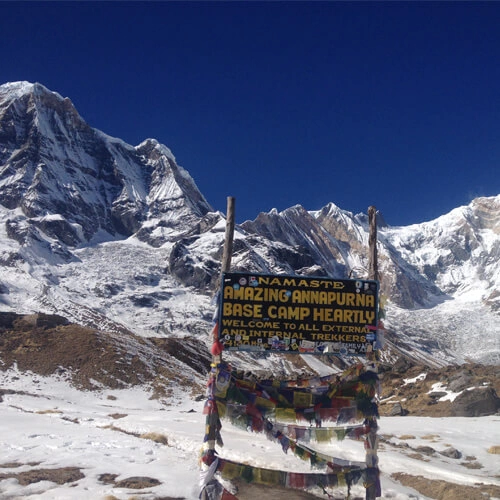
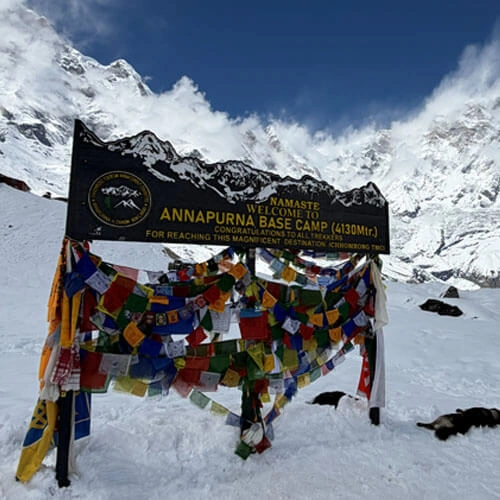
  • The highest point of the Mardi Himal trek is Mardi Himal Base Camp (4500 m), which is higher than the Annapurna Base Camp (4130 m).

  • Yes, you must obtain permits such as an Annapurna Conservation Area Permit (ACAP) and a TIMS (Trekkers' Information Management System Card). 

  • The most ideal periods of the year to embark on the Mardi Himal Trek are spring (March to May) and autumn (September to November). 

  • Yes, you will get Wi-Fi service in most teahouses, but it will be limited. Although the network is available in several places, sometimes it becomes weaker in higher landmarks.

  • On the Mardi Himal trekking route, you will find basic but comfortable teahouses that provide clean rooms and nutritious meals. 

  • Novice trekkers may complete the Mardi Himal trek without a guide, but it is quite risky due to a lack of experience in the Himalayas. Therefore, we recommend you hire a seasoned guide.

Similar Trips
You May Also Like

Ask a Question